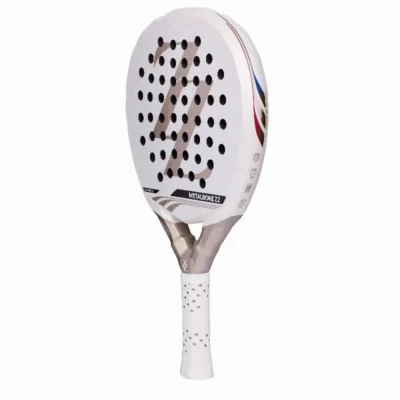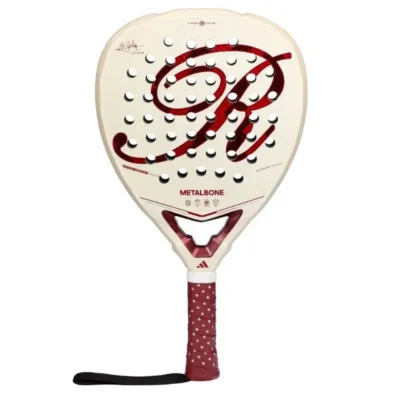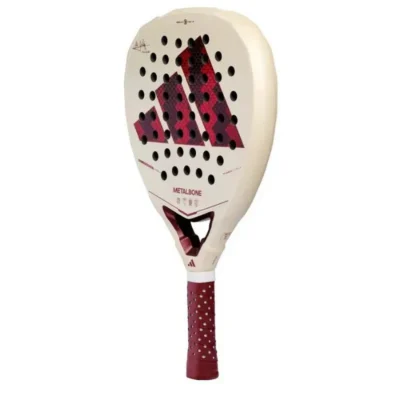
If you like to finish points rather than just build them, this babolat technical veron review will make sense straight away. The Technical Veron is built for players who want easy power on overheads, fast reactions at the net, and a racket that still feels manageable when the rally gets messy.
Babolat positions it as an attacking option for the so-called technical striker – the player who looks for the right ball to accelerate and punish. That sounds dramatic, but on court the idea is simple enough. This is a diamond-shaped racket with a head-heavy balance, so the design is clearly aimed at putting more weight behind smashes, viboras and aggressive volleys.
Babolat Technical Veron review: quick verdict
The short version is that the Technical Veron is a strong choice for intermediate to advanced players who want power without the harsher feel of a full carbon power racket. It offers good pop, solid stability and enough comfort to make repeated attacking shots less demanding on the arm.
The trade-off is just as clear. It is not the easiest racket for beginners, and it is not the best fit for players who prioritise soft touch, control from the back of the court, or maximum forgiveness on off-centre contact. If your game is built around patience and placement rather than pressure, there are easier options.
What the Babolat Technical Veron feels like on court
The first thing most players notice is the shape. The diamond profile pushes the sweet spot higher up the face, which helps when you catch the ball cleanly above the middle. On attacking shots, that creates the kind of direct response power players usually want. Smashes feel lively, and volleys carry enough weight to put opponents under pressure instead of just keeping the ball in play.
What makes the Veron range interesting is Babolat’s attempt to soften the experience compared with a more demanding performance racket. The Technical Veron uses a carbon flex construction rather than going all-in on a stiffer feel. In practice, that means you still get a crisp hit, but it is not brutally rigid. There is a bit more give in the face, and that helps both comfort and ball output.
For many club players, that matters more than headline power. Plenty of aggressive rackets feel great for ten minutes and then start to punish your timing, especially if your technique is not perfect on every shot. The Technical Veron is more forgiving than the hardest, most advanced diamond rackets, which is a big part of its appeal.
Power and overheads
This is where the racket earns its place. If you like to attack high balls, the Technical Veron gives you help. The head-heavy balance adds momentum through the swing, so flat smashes, bandejas with intent, and aggressive overheads all come off the face with real pace.
You do need decent preparation to get the best from it. If you’re late to the ball or your swing path is inconsistent, the racket can feel slightly demanding. But if you already have a reasonably confident overhead game, the extra punch is obvious.
Volleys and net play
At the net, the racket feels stable and quite decisive. Punch volleys are one of its stronger areas because the frame does a good job of keeping the ball moving through the court. You can block firmly, redirect pace well and finish short balls with conviction.
The downside is manoeuvrability. It is not sluggish, but compared with a round or lower-balanced hybrid racket, you will notice a bit more weight towards the top. In fast exchanges, especially if you’re defending body shots, that can make it slightly less quick to position.
Defence and back-court control
This is the section where honesty matters. The Technical Veron is playable from the back of the court, but it is not built to make defence feel easy. On low balls near the glass, you need clean technique and good timing to get the same confidence you would get from a softer round racket.
If you defend a lot, or often find yourself stretched and scrambling, the higher sweet spot can be less helpful. Off-centre contact loses quality faster than on a more control-oriented model. You can still produce depth, but the racket gives less free help when you are under pressure.
Who should buy the Babolat Technical Veron?
The best fit is an intermediate or advanced player with an aggressive mindset. If your game improves when you step forward, look to volley, and try to finish at the net, this racket makes sense. It is especially attractive for players who want a power shape without jumping to the most unforgiving end of the market.
It can also suit improving intermediates who have outgrown softer beginner rackets and now want more bite in attack. In that case, it depends on your technique. If you can already generate decent racket-head speed and strike the ball fairly cleanly, the Veron can feel like a proper upgrade. If you still mishit regularly, it may feel like hard work.
Beginners should be cautious. A lot of newer players are tempted by power rackets because they sound exciting, but a demanding shape can slow your development if you spend too much energy simply controlling the ball. For many first-time buyers, a round or hybrid racket is the smarter route.
Babolat Technical Veron review: strengths and compromises
The biggest strength is balanced aggression. The racket gives you that attacking profile many players want, but with a touch more comfort and accessibility than a very stiff elite model. That makes it easier to use over a full match, not just in short bursts.
Another plus is stability. On volleys and overheads, it feels dependable rather than flimsy, which helps when you want your racket to do one simple job – hit through the ball with intent.
The compromises are predictable. Control players may find it too lively, defensive players may want a lower balance, and anyone with recurring arm discomfort should still pay close attention to feel. While it is more comfortable than harsher alternatives, this is still an attacking racket, not a plush comfort-first option.
Technical Veron vs Technical Viper
This is the comparison many shoppers care about. The Technical Viper sits higher in the range and gives a stiffer, more explosive response. If you are a stronger, more advanced player who wants maximum punch and you consistently hit the sweet spot, the Viper may offer a higher ceiling.
The Technical Veron is the more sensible buy for most players. It is easier to handle, kinder on imperfect contact, and generally less tiring to use. You give up a bit of raw sharpness, but you gain playability. For a lot of regular club players, that is a very good trade.
Is it good value?
Yes, especially if you want a recognised premium brand and a clear attacking identity without paying top-tier money for the most extreme specification. The Technical Veron sits in a useful middle ground. It feels like a performance racket, but it does not demand elite timing on every point.
That makes it one of those rackets that can stay in the bag for a long time. It is not just for one phase of your game. If you are moving from intermediate towards advanced level and want a racket that supports that progression, it offers solid value.
From a buying point of view, this is exactly the sort of model many players look for at 7padel – branded, performance-led, and easier to match to a clear playing style without overcomplicating the choice.
Final word
The Babolat Technical Veron is not trying to please everyone, and that is a good thing. It is made for players who want to attack, who enjoy finishing points, and who need a racket with more punch than an all-round option can offer. If that sounds like your game, it is a racket worth serious consideration. If not, shop smart and choose the one that helps you play your best padel, not just the one with the most aggressive label.