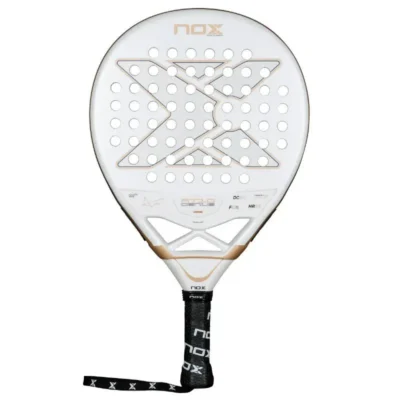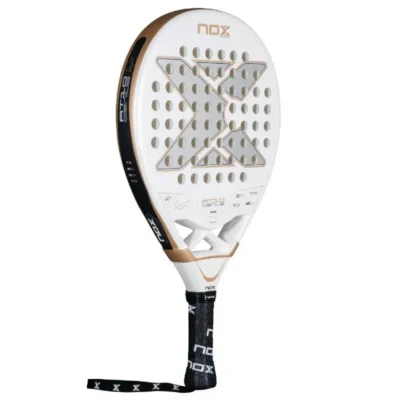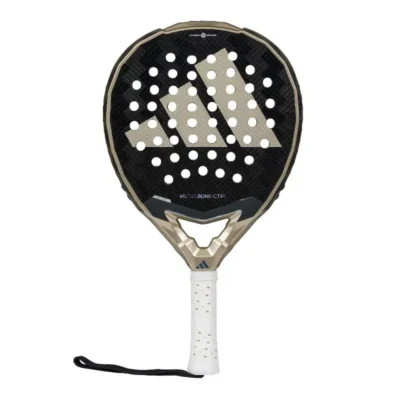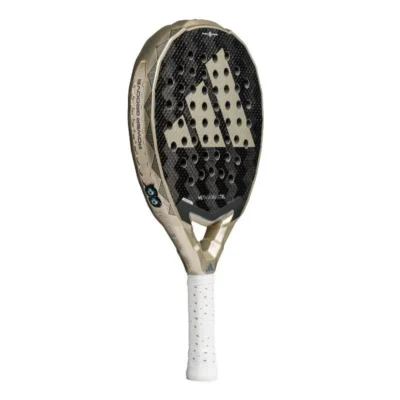

You feel it after a few games. Maybe your volleys sit up when you want control, or your smashes only come off when everything is perfectly timed. That is usually the moment players start asking how to match racket to playstyle, and it is the right question. A padel racket should support the way you naturally play, not force you into someone else’s game.
A lot of buyers start with brand, price, or whatever their strongest mate uses. That is understandable, but it often leads to the wrong fit. The better way is simpler. Look at how you win points, where you spend most of the rally, and which shots you rely on under pressure. From there, the right racket type becomes much easier to spot.
How to match racket to playstyle without overthinking it
Most players fit broadly into one of three styles: control, power, or all-round. You do not need a perfect label, and plenty of players sit somewhere in the middle. Still, this is the fastest way to narrow your options and avoid wasting money on a racket that looks impressive but does not suit your game.
If you build points with consistency, placement, and patience, you are likely a control player. If you look to finish quickly, attack overheads, and press at the net, you probably lean towards power. If you do a bit of both and want flexibility, a hybrid racket usually makes more sense.
That sounds straightforward because it is. The tricky part is being honest about your actual game rather than the game you want to have six months from now. Buying too far ahead is one of the most common mistakes in padel.
Start with your on-court habits
Before you look at shape, balance, or core feel, think about what happens in real matches. Do you defend comfortably from the back glass and keep the ball in play until the right chance appears? Do you rush forward and try to dominate volleys? Or do you adapt depending on your partner, opponents, and match pace?
Your answers matter because racket design changes how easy certain shots feel. A racket that helps with punch and overhead speed may ask more from your touch game. A racket built for comfort and control may feel brilliant in defence but less explosive when you attack.
There is no perfect racket with no trade-offs. There is only the racket that gives more help where you need it most.
If you are a control-first player
Control players usually benefit from round or control-oriented hybrid shapes. These rackets tend to have a larger sweet spot and a more forgiving feel, which helps on blocks, lobs, returns, and defensive shots under pressure.
If your game is based on consistency, you do not need the most aggressive setup. You need a racket that stays stable when contact is not perfect and lets you place the ball with confidence. Lower to medium balance often suits this style well because it feels easier to manoeuvre, especially in quick exchanges at the net.
This is also a smart choice for many beginners and improvers. A more forgiving racket helps you develop technique without punishing every off-centre hit.
If you are an attacking player
Players who like to speed up points often move towards diamond or power-focused hybrid rackets. These usually place more weight towards the head, which can add punch on volleys, viboras, bandejas, and smashes.
The upside is obvious – more attacking potential. The downside is just as real. Higher-balance rackets can feel less forgiving in defence and more demanding over a long match. If your timing is inconsistent or you are still working on technique, a full power racket may cost you more points than it wins.
For that reason, many intermediate players are better off with a hybrid that offers attacking help without becoming too difficult to handle.
If you are an all-round player
A lot of club players sit here. You want control in defence, enough touch for softer shots, and enough pop to finish when the chance comes. Hybrid rackets are often the sweet spot because they avoid extremes.
This type of racket suits players who change rhythm, mix up shot selection, and do not want to be boxed into one identity. If you play on different courts, with different partners, or against varied opposition, versatility becomes a real advantage.
Shape matters, but it is not the whole story
When players learn how to match racket to playstyle, shape is usually the first spec they notice. That makes sense because it gives a clear starting point.
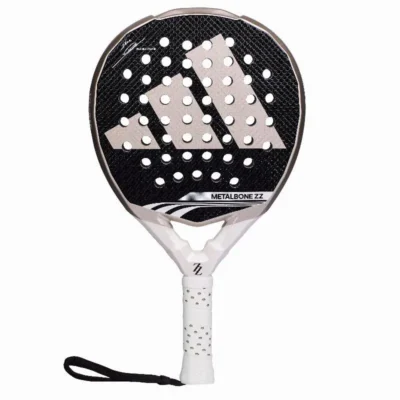
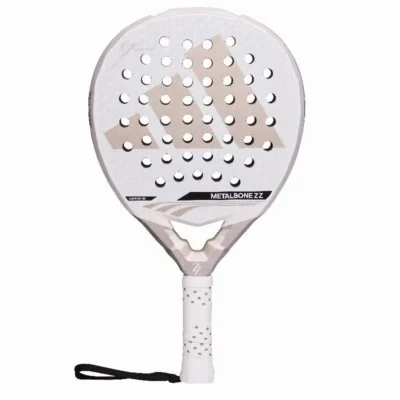
Round rackets are generally associated with control and forgiveness. Diamond rackets are more often linked with power and aggressive play. Teardrop or hybrid shapes sit in the middle, balancing both ends.
Useful as that is, shape alone does not tell the full story. Two hybrid rackets can feel completely different if one has a high balance and hard core while the other has a softer touch and lower balance. Think of shape as the headline, not the whole review.
Balance changes how the racket moves
Balance is one of the biggest feel factors, and it is often more important than players expect. Low-balance rackets feel quicker in the hand and easier to control. High-balance rackets carry more weight in the head, which can help generate power but may feel slower and heavier during fast reactions.
If you often block balls back, defend from awkward positions, or value quick preparation, lower balance is usually the safer bet. If you attack confidently and like to put weight through the ball, a higher balance can work well.
Again, it depends on level. Advanced players can often handle more demanding balance points because their timing and technique are better. For many recreational players, a slightly more neutral balance gives a better mix of comfort and performance.
Weight should suit your strength and match load
Heavier does not always mean better. Some players assume a heavier racket will automatically add power, but if it slows your swing or tires your arm, that extra weight starts working against you.
Lighter rackets are easier to manoeuvre and can reduce strain, which is useful for newer players, anyone playing long sessions, or those managing elbow or shoulder discomfort. Heavier rackets may feel more solid and stable, especially in attack, but they usually demand more physically.
This is where honesty matters again. If you play twice a week after work and want comfort across a full match, chasing a very demanding setup rarely pays off. A racket you can handle well in the final set is better than one that only feels great for twenty minutes.
Hard or soft feel – choose based on what you need help with
The feel of the racket affects both comfort and response. Softer rackets generally offer more comfort and easier output, which helps when your swing speed is moderate or when you want extra forgiveness. Harder rackets can offer a more direct, precise response and may suit stronger, more advanced players who generate their own pace.
There is a trade-off here too. Soft feels easier and often more comfortable, but some players find it less crisp in fast attacking shots. Harder feels can be very rewarding in the right hands, but they can also be less forgiving and harsher on the arm.
For many buyers, medium feel is the safest middle ground. It gives enough feedback without becoming too extreme either way.
Match the racket to your level as well as your style
This is where smart buying beats wishful buying. Your playstyle matters, but your current level matters just as much. A beginner with attacking instincts still usually benefits from a more forgiving racket than an advanced attacker. An intermediate control player may be ready for a slightly firmer, more precise model, but not necessarily the most demanding option on the market.
The best racket is not the one with the most aggressive spec sheet. It is the one that helps you play your game better now while giving you room to improve.
At 7padel, that is exactly how we think players should shop: by level, by style, and by what genuinely fits their game rather than by hype.
A simple way to choose with confidence
If you are still torn between two types, ask yourself three practical questions. Which shots win you most points? Where do you struggle most – defence, touch, or finishing? And do you want your next racket to support your strengths or cover your weaknesses?
If you already win through consistency and placement, lean towards control. If you are confident at the net and want more put-away power, lean towards attack. If your game changes from match to match, stay with hybrid.
That approach keeps the decision grounded in reality. You do not need to know every material and every technical term to choose well. You just need a clear picture of how you play and what kind of help you want from the racket.
The best part is that once the fit is right, everything feels simpler. Your good shots come more naturally, your weak areas feel less exposed, and you spend less time second-guessing your gear. Shop smart, trust your actual game, and your perfect match gets a lot easier to find.