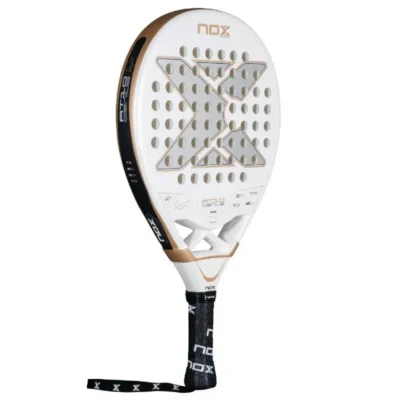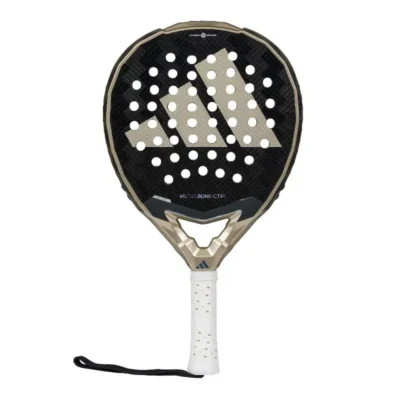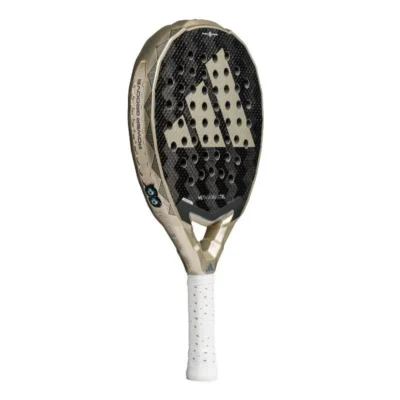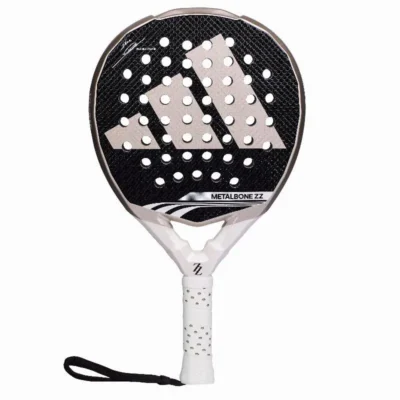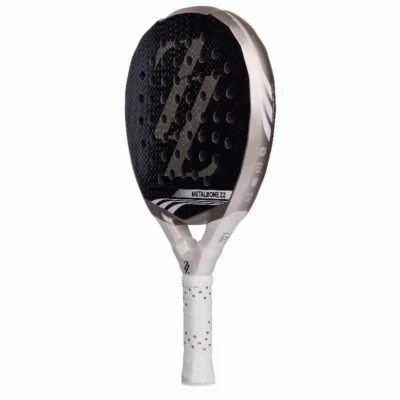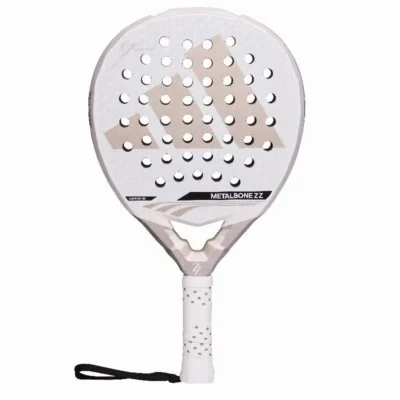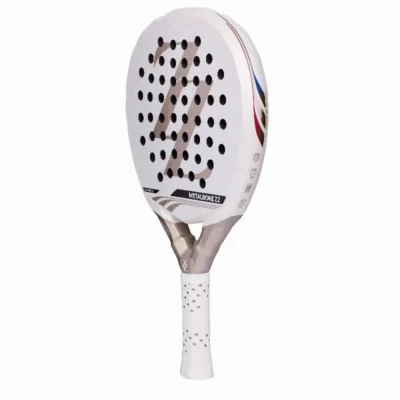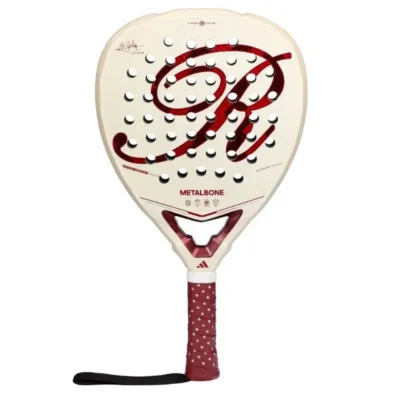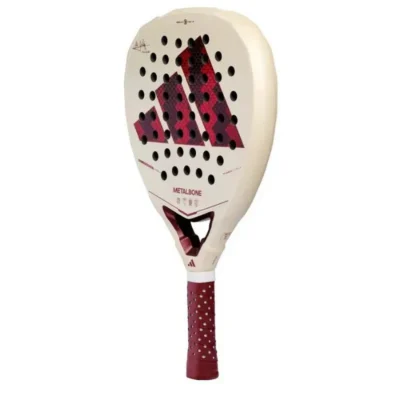
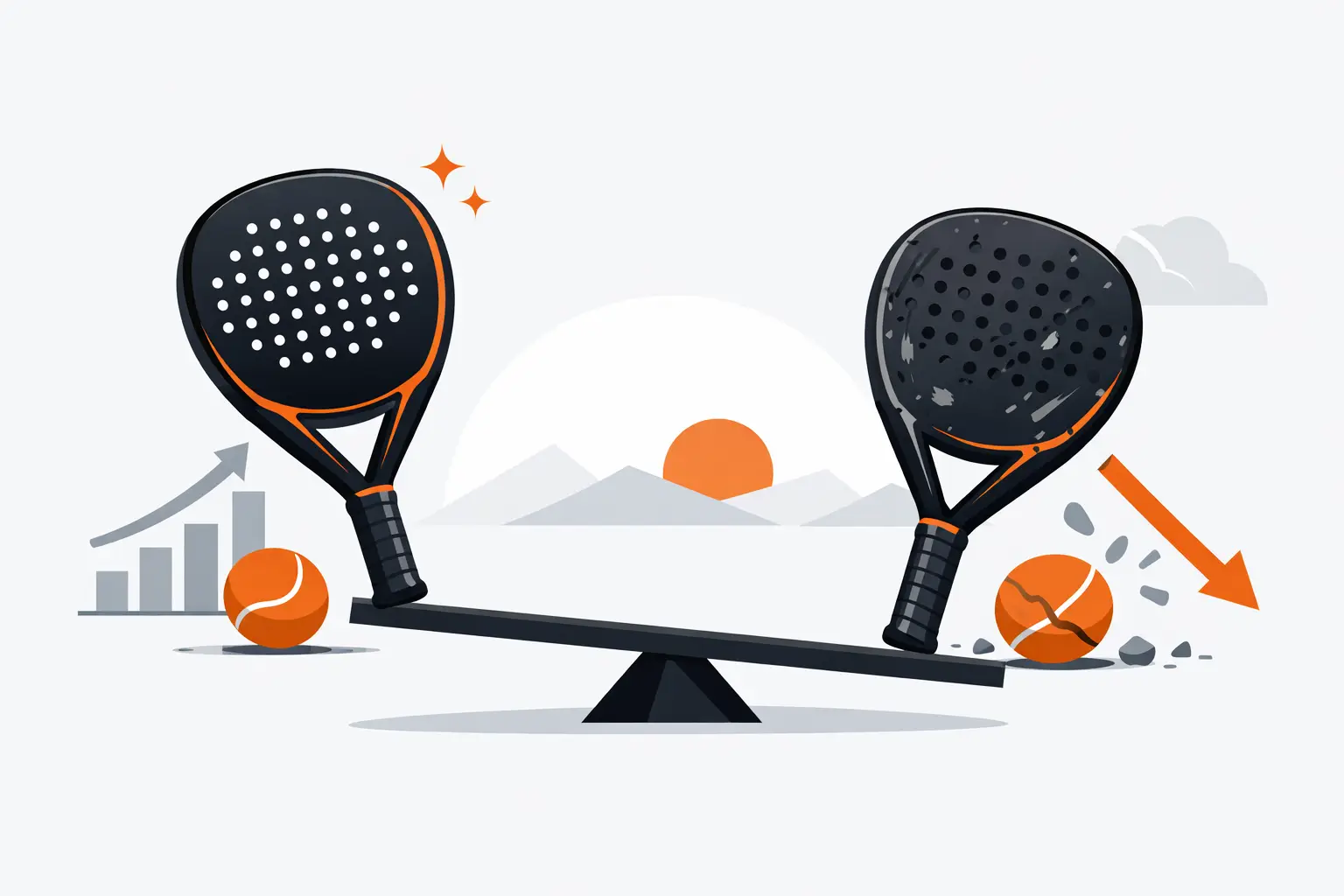
That crisp, lively feel you had when your racket was new does not stay exactly the same forever. So, do padel rackets lose performance? Yes, they can – but not always in the dramatic way players expect. Most rackets gradually change through regular play, small knocks, weather exposure, and simple ageing of the materials.
The key question is not just whether performance drops, but how much, how quickly, and whether you will actually notice it in your game. For some players, the change is subtle. For others, especially those who play often or hit hard, an older racket can start to feel less responsive, less stable, or less comfortable long before it looks badly damaged.
Do padel rackets lose performance over time?
In most cases, yes. A padel racket is made from materials that work under repeated stress. The face flexes on impact, the core compresses, and the frame absorbs vibration. Over time, those materials can lose some of their original behaviour.
That does not mean a racket suddenly becomes useless after a set number of matches. It is more gradual than that. A beginner who plays once a week may use the same racket happily for a long time. An advanced player who trains three or four times a week will usually notice wear much sooner, especially if they rely on precise touch, explosive power, or a very consistent ball exit.
The biggest performance changes usually show up in three areas: feel, power transfer, and control. A racket that has softened too much may feel dull and vague. One with hidden frame fatigue may feel less solid on off-centre hits. Even if the racket still looks decent, it may not be giving you what it gave you in the beginning.
What actually wears out in a padel racket?
The EVA or foam core is one of the main factors. Every impact compresses the core slightly. Over many sessions, the material can lose some of its rebound and structure. When that happens, the racket may feel flatter, less lively, or less predictable. Some players describe it as the racket going dead.
The face also matters. Whether a racket uses fibreglass, carbon fibre, or a mix of materials, repeated impacts and pressure can affect stiffness and response. Carbon faces tend to hold their character better, but they are not immune to fatigue. Fibreglass may soften earlier, which can be comfortable at first but can eventually reduce precision.
Then there is the frame. Frame fatigue does not always mean a visible crack. Sometimes it shows up as reduced stability, more vibration, or a less clean response on balls hit away from the sweet spot. Small bumps against the glass or floor can speed this up, even if they seem harmless at the time.
Surface texture can also wear down. If you rely on roughness for extra spin, a racket may become smoother with use. That will not ruin your game, but it can change how easily you generate bite on bandejas, viboras, and kick smashes.
How long before you notice a drop?
It depends on how often you play, how hard you hit, and what kind of racket you use. There is no one-size-fits-all timeline.
A casual player might use a racket for well over a year without feeling a major drop in performance. An intermediate or advanced player who plays several times a week may notice changes within six to twelve months. If you compete regularly or hit with a lot of power, that timeline can be shorter.
Playing conditions matter too. Heat, cold, and moisture all affect padel racket materials. Leaving your racket in a hot car, storing it in a damp place, or using it constantly in extreme temperatures can speed up ageing. Even a premium racket from a top brand will not perform at its best forever if it is poorly looked after.
Signs your racket is losing performance
The clearest sign is often not damage you can see. It is a change you can feel. If your racket starts behaving differently without any obvious reason in your technique, it is worth paying attention.
A few common signs are easy to spot. The racket may feel less powerful even when you swing well. Control may drop, especially on volleys and defensive shots. The sweet spot can seem smaller, or the response may feel inconsistent from one shot to the next. Some players also notice more vibration or discomfort in the arm.
Visible damage is more straightforward. Cracks in the frame or face, soft spots, dents, or a rattling sound inside the racket are all warning signs. Once structural damage is involved, performance loss is usually already happening.
Still, not every old racket is a bad racket. Some players actually prefer a racket once it has softened a little, especially if it felt too hard when new. That is where it becomes personal. A change in feel is not always negative, but if it starts costing you confidence, timing, or comfort, it is probably time to act.
Do expensive rackets last longer?
Often, but not automatically. Better materials and construction can help a racket keep its playing characteristics for longer. Carbon structures, stronger frames, and more consistent manufacturing usually improve durability and performance retention.
That said, price alone is not the full story. A very stiff, high-performance racket used by an aggressive player may wear faster in practice than a more forgiving model used casually. The wrong racket for your level can also break down faster if you constantly mistime shots or hit outside the sweet spot.
For many players, the smarter buy is not simply the most expensive racket. It is the one that suits their level, frequency of play, and style. A well-matched racket tends to age better in real use because it is not being forced to do the wrong job.
Can you restore lost performance?
Not really in any meaningful way. You can replace the overgrip, protect the frame, and store the racket properly, but once the core and structure have changed, you cannot bring them back to factory-fresh condition.
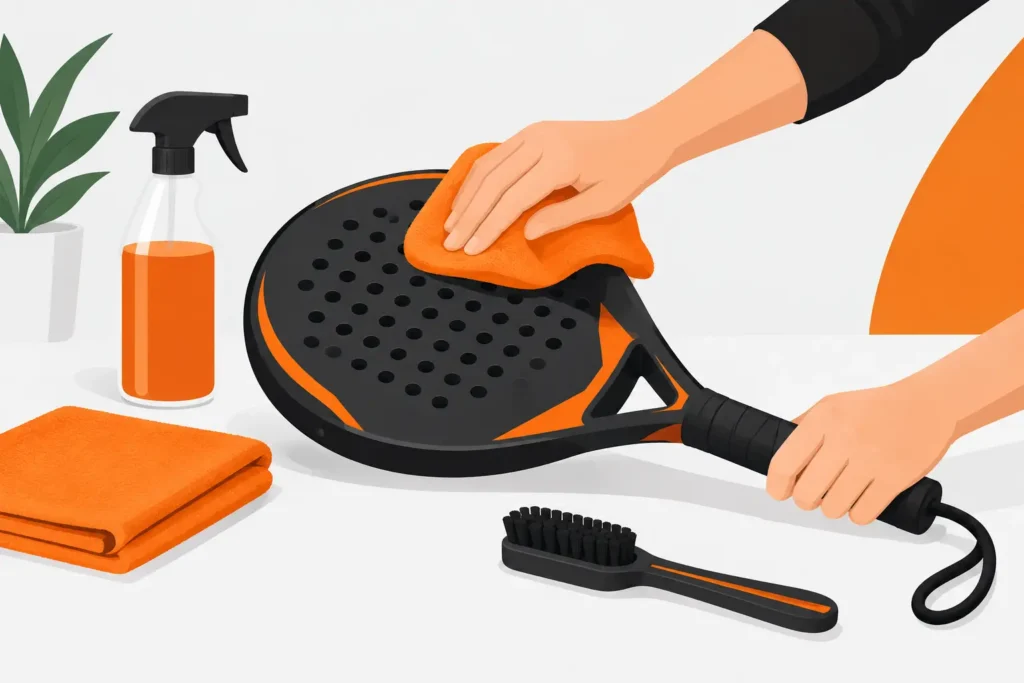
That is why prevention matters. A protective cover helps during transport. Avoiding extreme temperatures helps the materials stay more stable. Taking care around the glass and floor reduces avoidable frame damage. These habits will not stop wear completely, but they can slow it down.
If your racket feels off, changing the grip might improve comfort in the hand, and that can mask some of the problem. But it will not restore lost rebound, stiffness, or structural integrity.
When should you replace a padel racket?
If there is a crack, a clear loss of stability, or pain developing in your arm, do not wait too long. At that point, replacement is less about chasing extra performance and more about avoiding worse play and possible injury.
If the issue is more subtle, think about your level and goals. Beginners can often keep playing with a slightly aged racket without much trouble, especially while they are still building technique. Intermediate and advanced players usually benefit from replacing a racket sooner because feel and consistency matter more as the game gets faster.
It is also worth being honest about whether you have outgrown the racket. Sometimes what feels like performance loss is actually a mismatch between your current game and an older setup. A player who has improved may need more control, more power, or a different balance rather than simply a newer version of the same thing.
For shoppers trying to make a smart decision, this is where choosing by level and playing style really helps. A racket that matches how you play now is usually a better investment than hanging on to one that no longer supports your game.
The smart way to think about racket lifespan
Instead of asking whether a racket is still usable, ask whether it still helps you play your best. Those are not the same thing. Plenty of rackets remain playable after they have lost part of their original quality.
If you play occasionally and your racket still feels comfortable, solid, and predictable, there may be no need to change it yet. If you play often and you are noticing reduced ball output, less control, or more vibration, your racket may be holding you back more than you realise.
A good racket does not need replacing at the first sign of wear. But it should earn its place in your bag. If it no longer gives you the response, confidence, and comfort you need, replacing it is not a luxury purchase. It is a practical one.
The best time to change a racket is usually before it becomes a problem, not after it has already taken something away from your game.