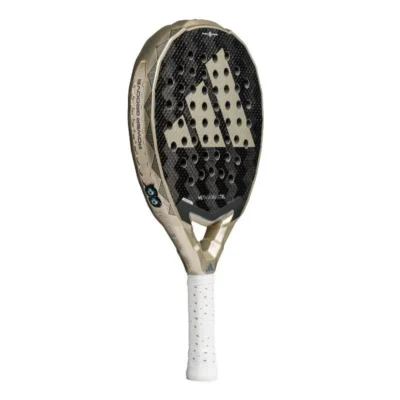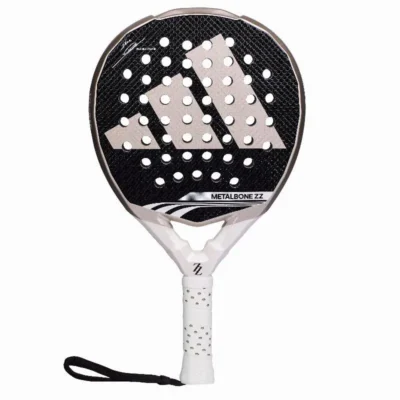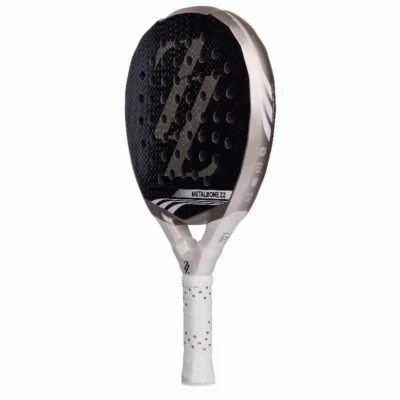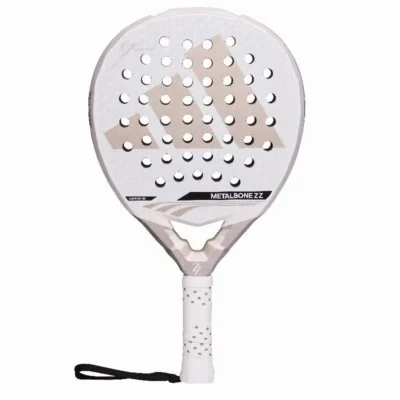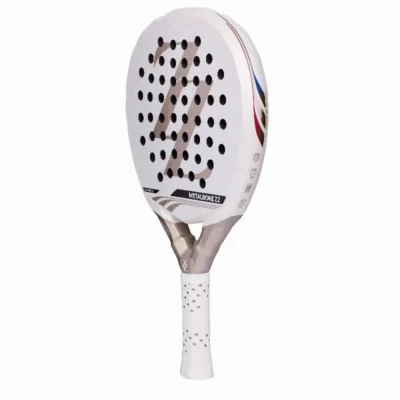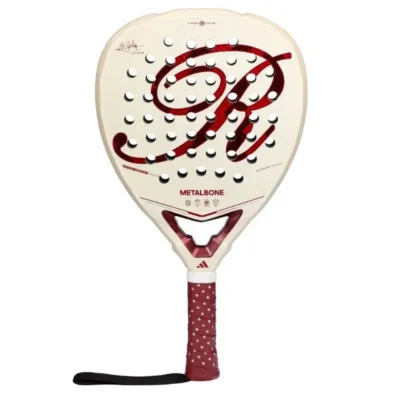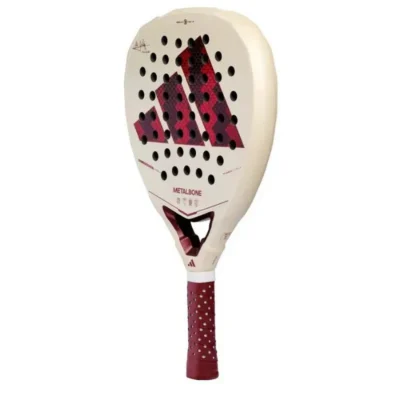
Price matters, but so does getting a racket that actually helps your game. The good news is that the top padel rackets under 100€ are no longer just basic starter options. If you shop carefully, you can get a racket from a recognised brand that suits your level, your playing style and the way you want to improve.
That matters because a cheap racket that feels wrong can slow you down. Too much weight in the head can make volleys harder to control. A very soft foam might feel comfortable at first, but it can leave better players wanting more response. Under 100€ is a strong budget, but only if you know what to look for.
What to expect from top padel rackets under 100€
At this price, you are usually looking at entry-level to lower mid-range models from the big brands. That is not a bad thing. In fact, for many players, these rackets are the smart buy. They tend to be forgiving, comfortable and easier to use than more demanding premium models.
You should expect solid materials, reliable durability and a clear playing profile. What you should not expect is every top-end feature from a 200€ plus racket. Carbon faces, advanced surface textures and highly specialised constructions do appear below 100€ sometimes, especially in sale periods, but they are less common.
For most buyers, the sweet spot in this price range is simple. Look for a racket that gives you enough comfort to play regularly, enough control to build confidence and enough power to finish points without forcing your swing.
The best choice depends on your level
A lot of shoppers search for the best racket under a certain price, but there is no single answer. The right choice depends on where you are in your game.
Beginners
If you are new to padel, a round or hybrid racket is usually the safest place to start. Round shapes tend to have a larger sweet spot and better control, which helps when your timing is still developing. A softer feel also reduces the harshness on off-centre hits.
This is where many under-100€ rackets shine. Brands like Head, Adidas, Wilson and Bullpadel often have beginner-friendly models that are light enough to manoeuvre and forgiving enough to keep rallies going. If your main aim is to learn the game properly rather than hit the ball harder, these are usually the better value choice.
Improving intermediates
If you already play regularly and want more from your racket, the decision gets a bit more specific. Some players want easier access to power. Others want more control in defence and better touch at the net.
At this stage, hybrid shapes make a lot of sense. They sit between round and diamond, giving a more balanced feel. You still get a friendly sweet spot, but often with a bit more punch on smashes and aggressive volleys. This is probably the most versatile category under 100€.
Advanced players on a budget
Advanced players can still find value below 100€, but there is usually a trade-off. You may get a strong frame and good overall performance, but not the same level of responsiveness, materials or surface finish as higher-end rackets.
That said, if you know your preferences and are happy to buy a previous-season model, there are bargains. A control-focused advanced player might be perfectly happy with a discounted round or teardrop racket from a premium brand, especially for training, casual matches or as a reliable backup.
Shape matters more than most specs
When people compare padel rackets, they often get pulled into technical details too early. The simplest and most useful place to start is shape.
A round racket is the easiest to use for most players. It usually offers lower balance, better control and a larger sweet spot. If you value consistency, comfort and cleaner contact, this shape is hard to beat.
A teardrop or hybrid racket gives a middle ground. It is a strong choice if you want an all-round feel and do not want to lean too far towards either control or power. For many regular club players, this is the best fit.
A diamond racket is more power-oriented and often has a higher balance. That can help on attacking shots, but it is less forgiving. Under 100€, diamond rackets can still be tempting, especially for aggressive players, but they are not automatically the smartest buy if your control is not there yet.
Weight, balance and feel
Two rackets can look similar online and feel completely different on court. That is why weight and balance matter so much.
A lighter racket is easier to move, especially in fast exchanges at the net. It can also feel more comfortable over longer matches. Heavier rackets can give extra stability and punch, but they demand more from your arm and timing. If you are between choices, slightly lighter is usually the safer option.
Balance changes the character of the racket. Head-heavy models can produce stronger overheads, but they may feel slower in defence. Lower-balance rackets are easier to control and quicker in hand. For newer players, lower or medium balance is often the better route.
The feel of the core matters too. Softer rackets help with comfort and easy power, especially at slower swing speeds. Firmer ones offer more precision and response, but they can punish poor timing. There is no perfect answer here. It depends on whether you want help from the racket or a sharper connection with the ball.
Brands worth watching in this price range
If you are shopping for top padel rackets under 100€, sticking to established brands is usually the smart move. Not because lesser-known brands cannot be good, but because recognised names tend to offer more consistent quality and clearer product positioning.
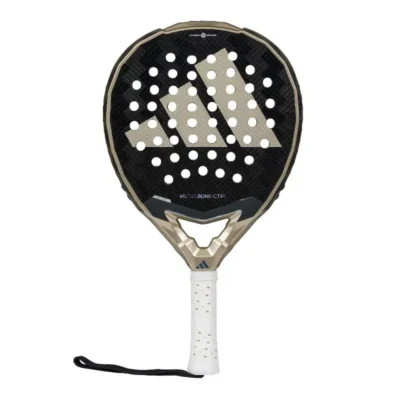
Adidas often does a strong job with user-friendly rackets that look sharp and feel accessible. Head is a reliable option for comfort and ease of use, especially for beginners and casual players. Bullpadel has plenty of appeal for players who want performance credibility without going straight to premium prices.
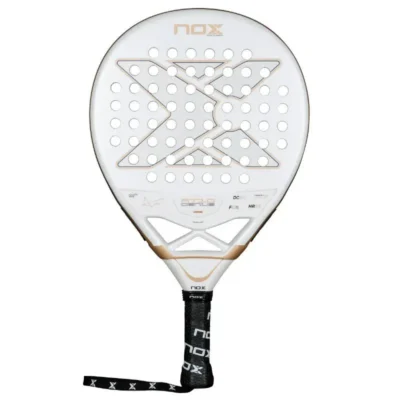
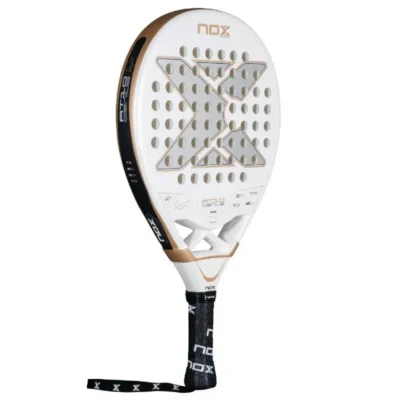
Wilson is often a good fit for players who want a balanced feel and straightforward buying choices. Nox can be excellent if you find a lower-priced or discounted model, particularly if comfort is high on your list. Babolat and Starvie may also appear below 100€ during sales, though the exact value can vary more from model to model.
The key point is not to chase the brand name alone. A budget-friendly racket from a top brand only makes sense if the shape, balance and feel match your game.
How to shop smart under 100€
The biggest mistake is buying for the shot you want, rather than the game you actually play. A lot of players imagine themselves finishing every point with a powerful overhead, then end up with a racket that feels awkward in normal rallies.
Be honest about your level. If you are still building consistency, choose forgiveness first. If you already control the ball well and need more attacking help, then a more powerful shape can make sense.
It is also worth checking whether the racket is part of a current range or a discounted previous-season model. Older models from good brands can offer excellent value, and in many cases the real-world performance difference is small. For budget-conscious players, that is often where the best deals live.
Finally, think beyond the product page headline. A racket under 100€ that suits your game is better value than a heavily discounted racket that looks impressive but never feels right.
Common buying mistakes
One of the most common mistakes is assuming expensive always means better. Better for whom is the real question. A high-performance racket designed for advanced players can make the game harder, not easier, if your technique is still developing.
Another mistake is ignoring comfort. If you play once in a while, you might get away with a stiffer or heavier racket. If you play several times a week, comfort becomes more important. A racket that feels good over a full session is usually the wiser choice than one that only feels good on your best shots.
Some players also overlook grip and handling. Even a well-priced racket from a trusted brand can feel wrong if it is too head-heavy or cumbersome in quick exchanges. This is why broad labels like control or power are helpful, but not enough on their own.
Finding your best match
The best racket under 100€ is the one that helps you play more confidently, more consistently and with less effort. For beginners, that usually means a round, comfortable model with an easy sweet spot. For improving players, a hybrid racket often gives the best balance of control and attack. For experienced players shopping carefully, discounted branded models can be a very smart buy.
At 7padel, the easiest way to shop smart is to narrow your choice by level and playing style first, then compare price. That keeps things simple and helps you avoid paying for features you do not really need.
A good racket should make the game feel clearer, not more complicated. If you focus on fit rather than hype, there are plenty of strong options under 100€ that can carry you a long way on court.