You notice bad padel balls faster than almost any other piece of gear. One match they feel lively and crisp, the next they are flat, slow and awkward off the glass. If you are wondering how to buy padel balls, the smart move is not just picking a famous brand. It is choosing the right type for how often you play, the court conditions and how much performance you actually need.
For most players, padel balls look similar on the shelf. In practice, they do not play the same. Pressure, felt quality, consistency and durability all affect how the ball comes off the racket and rebounds from the court and walls. Buy the wrong ones and you either waste money replacing them too often or end up playing with balls that make every rally feel sluggish.
How to buy padel balls for your level
The easiest way to buy well is to match the ball to your level and playing habits. Beginners usually do best with durable, forgiving balls that keep a steady bounce for casual games and training. You do not need the most premium tournament option if you are still building timing and control. A reliable all-round ball is often the better value.
Intermediate players tend to notice performance differences more clearly. If you are playing weekly and starting to care about touch shots, bandejas and quicker exchanges at the net, it makes sense to pay more attention to consistency and pressure retention. This is where better-quality balls start to feel worth the extra spend.
Advanced players are usually looking for a more specific response. Some prefer a faster ball for aggressive play, while others want a little more control in cooler conditions. At this level, buying decisions are less about basic durability and more about how the ball supports your style of play.
Padel balls are not the same as tennis balls
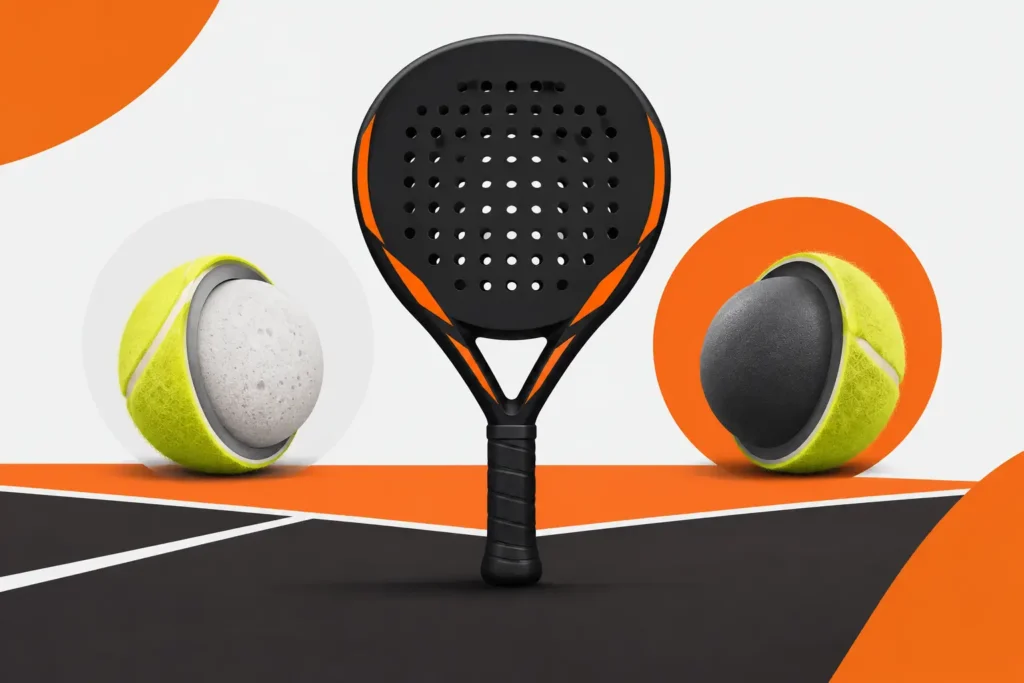
This is where some buyers get caught out. Padel balls and tennis balls may look close, but padel balls typically have slightly lower internal pressure. That changes the bounce and overall speed, which matters on an enclosed court where wall play and control are a huge part of the game.
Using tennis balls for padel can make the game feel wrong. The bounce may be less predictable for the format, and the speed can work against the control and tactical rhythm that most players want. If you are shopping for padel, buy proper padel balls. It is a small detail, but it makes a noticeable difference.
What actually matters when choosing padel balls
The first thing to look at is pressure retention. Fresh balls nearly always feel good straight from the tube. The bigger difference is how they perform after one match, two matches or a week of training. Some balls lose life quickly, while others stay playable for longer and give you better value over time.
Felt quality matters too. Better felt usually means a cleaner, more consistent response and a ball that does not fluff up too quickly. Once the felt wears badly, the ball can become less predictable and feel heavier in play, especially during longer rallies.
Then there is speed. Some balls are naturally livelier, which can suit attacking players or warmer playing conditions. Others feel a touch slower and more controlled, which many club players prefer. There is no universal best option here. It depends on your game and the conditions you usually play in.
Pack size is the practical part many shoppers overlook. If you only play occasionally, buying a huge quantity may not save money in the long run if the balls sit around unused. If you play two or three times a week, multipacks usually make more sense and reduce the cost per tube.
How court conditions affect your choice
Temperature changes how padel balls behave. In colder conditions, balls generally feel slower and less lively. In warmer weather, they tend to play faster and bounce more. That means the best choice in July may not be the best choice in November.
Altitude and court surface can also affect performance, though for most club players in the UK and wider European market, temperature and humidity are the big ones. If you mostly play indoors, conditions are more stable, so you can usually stick with one preferred model. If you play outdoors through the seasons, you may want a livelier ball for colder months and a more controlled one for summer.
This is why buying padel balls is not only about brand loyalty. A ball you love in one setting can feel completely different in another.
Brand matters, but only up to a point
Recognisable names such as Head, Babolat, Wilson, Bullpadel and Adidas are popular for a reason. They usually offer dependable quality, and many players already know what sort of feel to expect. That makes repeat buying easier, especially once you find a ball that suits your game.
Still, the best-known option is not automatically the best buy for you. Some premium balls are excellent for match play but not the most economical for regular training. Others are slightly less expensive but hold up surprisingly well across multiple sessions. If you play often, that difference matters more than the branding on the tube.
A good rule is to treat brand as a filter, not the final decision. Start with trusted manufacturers, then compare the ball’s intended use, durability and price per session.
How to buy padel balls without wasting money
Price on its own can be misleading. A cheaper tube that goes flat after one hard match is not really cheaper. A slightly more expensive option that stays lively for longer may work out better value overall.
Think in terms of cost per game rather than cost per tube. If you mostly play social matches and are happy with solid all-round performance, durability should be high on your list. If you play competitive matches and want the best feel each time, you may accept replacing balls more often.
It also helps to be realistic about how sensitive you are to performance changes. Some players want a fresh tube every important match. Others are perfectly happy using the same set across a few sessions. Neither approach is wrong, but it should affect what you buy.
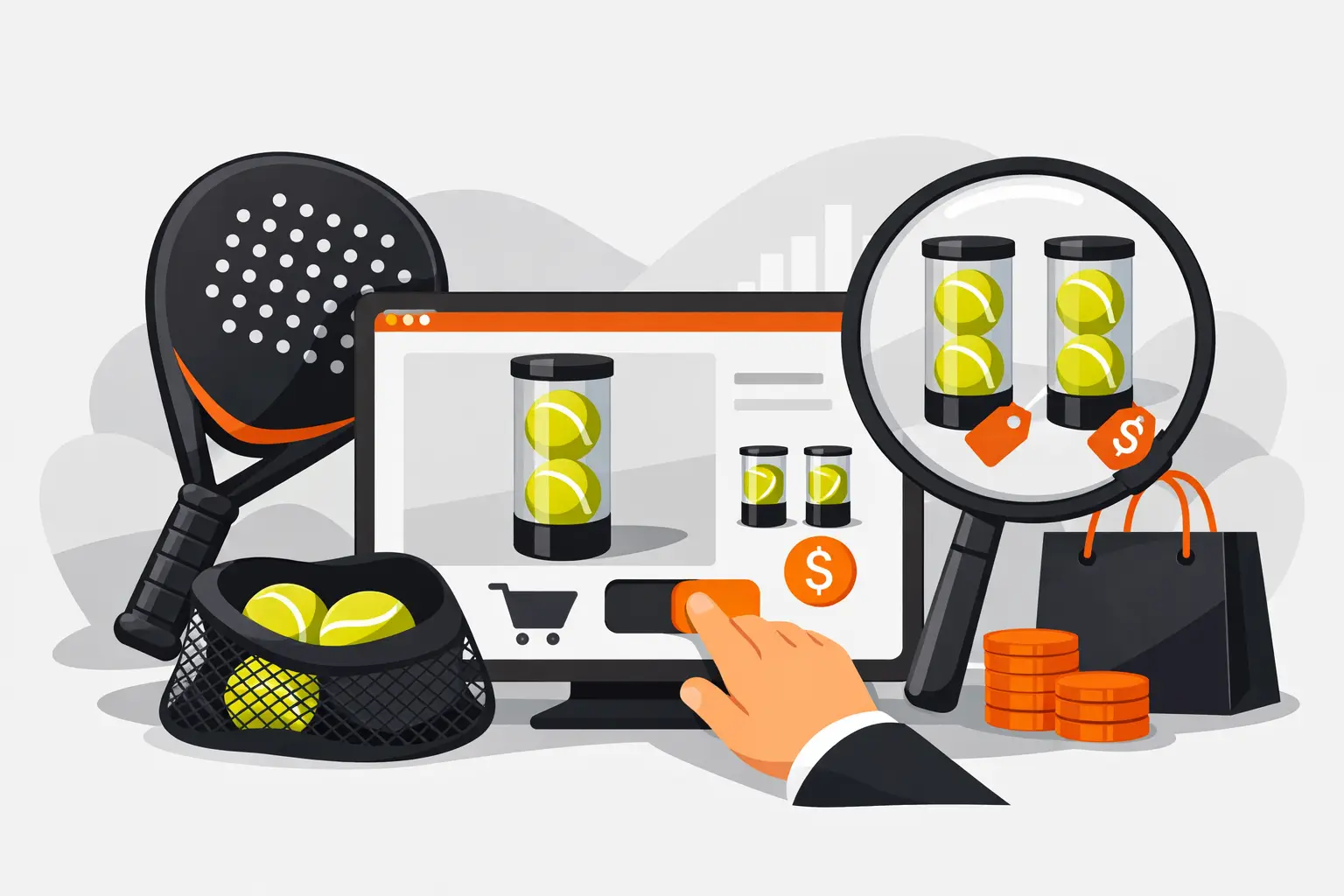
If you shop online, look at multipack pricing and current offers rather than buying one tube at a time. That is often where the best value is, especially if you already know which model suits you.
When to choose premium balls
Premium padel balls make sense if you play regularly, compete, or simply care about the cleaner response and consistency they usually provide. They are also a good choice if your current balls feel dead too quickly and you are replacing them all the time anyway.
That said, not every player needs top-end balls for every session. For coaching, casual practice or feeding balls in drills, a more affordable, durable option can be the smarter buy. Save the premium tubes for matches where you want the best feel.
That split works well for a lot of players. Train economically, play competitively.
Common mistakes buyers make
One mistake is buying on price alone. Another is assuming all padel balls from major brands perform the same. They do not. Even within the same brand, you may find one range aimed more at durability and another aimed more at match-level feel.
A third mistake is buying too many before testing one tube. If you have never used a particular model, try a small quantity first. Once you know it suits your game and local conditions, then it makes sense to stock up.
Storage is another small but useful point. Leave balls in a hot car boot or a damp garage and they may lose quality faster. Keep them in stable conditions if you want to get the best from them.
A simple way to make the right choice
If you are not sure where to start, keep it straightforward. Choose a trusted padel brand, decide whether you want balls mainly for training or matches, and think about how often you play. After that, compare durability, feel and pack value.
For newer players, an all-round durable ball is usually the safest option. For regular club players, consistency and pressure retention become more important. For stronger players, the decision often comes down to preferred speed and match feel.
That is the real answer to how to buy padel balls. Do not chase the most expensive tube or the biggest discount without context. Buy for your level, your court conditions and your playing routine, and you will shop smarter and play better.
If you get that balance right, the next time you open a fresh tube you will feel the difference where it matters most – on court, not just at checkout.