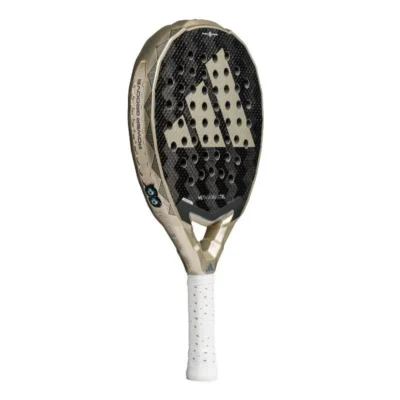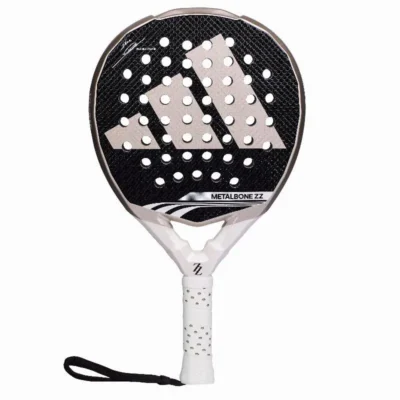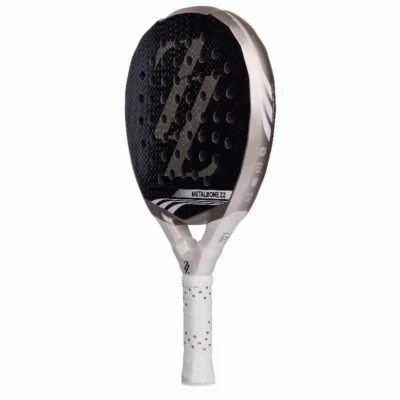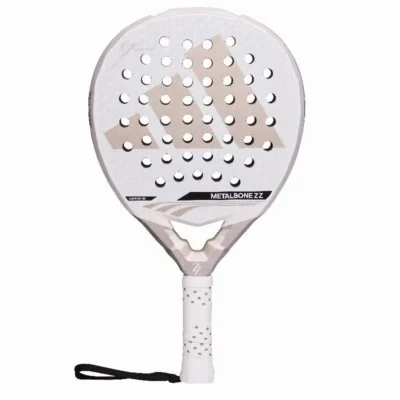
If you have ever picked up a racket that looked great on paper but felt sluggish at the net, you will know why a proper head speed motion review matters. The Head Speed Motion sits in a part of the market that appeals to a lot of players – people who want a racket that feels quick, modern and forgiving, without jumping straight into something overly stiff or demanding.
This is a racket that makes sense for a broad range of club players. It is light enough to feel easy through the air, but it still offers enough substance to avoid that flimsy, hollow response some lighter rackets suffer from. For many intermediate players, and even some improving beginners, that balance is exactly the point.
Head Speed Motion review: what kind of racket is it?
The Head Speed Motion is best understood as a light hybrid racket with an emphasis on manoeuvrability. It is built for players who want to react quickly, especially in fast exchanges, while still getting accessible power when the ball sits up.
In practical terms, that means it tends to suit players who like a quicker swing and don’t want to wrestle with too much head-heavy mass. If your game includes lots of volleys, quick recoveries, defensive blocks and counterattacks, the Motion starts to make a lot of sense. It does not ask for perfect timing on every shot, and that gives it wider appeal than many rackets aimed at advanced attacking players.
The key trade-off is simple. A lighter racket can be easier to handle and kinder on the arm over long matches, but it may not give the same raw punch as a heavier, more demanding option. Whether that matters depends on how you play.
How the Head Speed Motion feels on court
The first thing most players notice is speed. At the net, the racket comes into position quickly and feels easy to adjust at the last second. That is valuable in padel, where points often hinge on reactions rather than huge swings.
On volleys, the response is generally clean and controlled. You can keep the ball low without feeling as though the racket is fighting you, and in quick hand battles it is easier to stay compact. If you are moving from a heavier power racket, the difference in handling will be obvious.
From the back of the court, the Motion gives decent help without doing everything for you. It is not one of those rackets that launches the ball with minimal effort, but it offers enough pop for bandejas, controlled viboras and standard groundstrokes. For players still building confidence, that is often a better setup than an ultra-hard racket that punishes every mistimed contact.
Smashes are where the “it depends” part really matters. If you have strong technique and rely on maximum overhead power, you may feel the lighter build leaves a little on the table compared with more aggressive alternatives. But if your priority is placement, repeatability and getting into position early, the Motion can actually improve your overhead game because it is easier to accelerate and control.
Who should buy the Head Speed Motion?
This racket is a strong match for intermediate players who want an all-round upgrade. If you already understand basic positioning, can defend with some consistency and want a racket that helps in every phase of the game, the Motion is easy to like.
It can also work well for beginners who are progressing quickly and want to avoid buying something they will outgrow in a few months. Because it is manoeuvrable and not excessively harsh, it gives newer players room to improve without feeling punishing.
Advanced players are a more mixed case. If your style is based on speed, quick transitions and touch, the Motion still has plenty to offer. If you are an out-and-out power player who wants the heaviest possible ball on overheads, you may prefer a model with more mass and a firmer, more attacking profile.
Players who often deal with arm fatigue may also appreciate what this racket brings. A lighter feel does not guarantee comfort on its own, but for many people it reduces the sense of strain over long sessions, especially when compared with demanding diamond-shaped power rackets.
Where it performs best
The Head Speed Motion is at its best in the parts of padel that happen quickly. Volleys, blocks, defensive resets and compact overheads all benefit from a racket that gets through the air without delay.
It also suits players who like to vary pace rather than force every point. You can play with shape, direct the ball into space and stay balanced in transitions from defence to attack. That all-round behaviour is one of the racket’s biggest selling points.
This is not a one-dimensional power frame, and that is a good thing for most buyers. Plenty of players think they need maximum power, when what really helps them win more points is better control of timing, contact and racket speed.
Head Speed Motion review: strengths and compromises
The biggest strength is accessibility. The racket feels friendly early on, which matters if you are buying online and want confidence that your new racket will suit your game rather than expose every weakness.
Its handling is another major plus. In padel, a racket that moves quickly can make ordinary players look sharper simply because they are prepared earlier and recover faster after contact. That shows up most at the net, but it helps all over the court.
There is also a nice middle ground between control and power. It does not feel dead, and it does not feel wild. For many shoppers, that balance is more useful than a racket that excels in one area but becomes limiting elsewhere.
The compromises are fairly clear too. If you want the heaviest put-away potential, there are stronger attacking options. If you prefer a very solid, hard impact feel, the Motion may seem a touch too easy-going. Neither point is a flaw. It simply means this racket is designed for broad usefulness rather than niche aggression.
Is it better than a heavier power racket?
For some players, yes – absolutely. A heavier power racket can sound attractive, but if it slows your hand speed, tires your arm or makes your defence less reliable, it is not really helping you. The better racket is the one you can use well for two sets, not the one that feels impressive for ten minutes.
That is why the Head Speed Motion stands out in the current market. It gives enough attacking support to stay dangerous, while keeping the handling light enough for real-world club matches where quick reactions often decide points.
If your current racket feels cumbersome, this model could be a smart move. If your racket already feels quick and you are specifically missing finishing power, you may want to look at a more attack-focused alternative instead.
Buying advice before you choose
Think honestly about how you win points. If you are strongest in fast exchanges, placement, consistency and reading the game, the Motion lines up well with that style. If you dominate through explosive overheads and want every bit of extra punch, you may find it slightly restrained.
It also helps to think about your level without ego. A racket that is easy to handle is not a beginner compromise. For many intermediate and advanced club players, it is the smarter choice. Better timing and better positioning usually beat theoretical power.
If you are shopping by category, place the Head Speed Motion firmly in the hybrid camp with a lean towards manoeuvrability. That makes it a sensible option for players who want one racket to cover a lot of situations without fuss.
For shoppers comparing recognised brands and trying to avoid paying over the odds, this is exactly the sort of model worth shortlisting. Retailers such as 7padel focus on helping players filter by level and playing style, and that is the right way to judge a racket like this – not by marketing claims, but by whether it matches the way you actually play.
The best rackets do not always feel dramatic. Sometimes they just make the game simpler, quicker and more comfortable. The Head Speed Motion fits that description well, and for a lot of padel players, that is more than enough reason to give it serious attention.