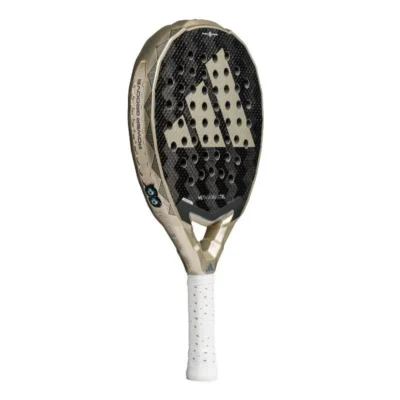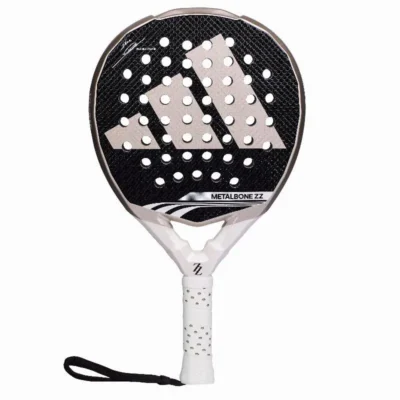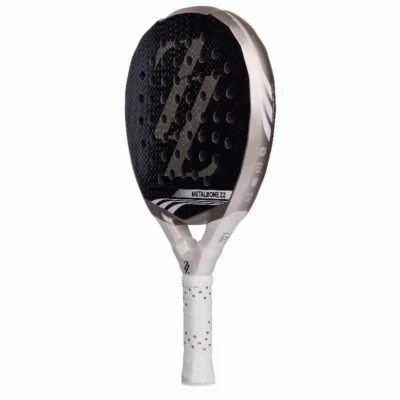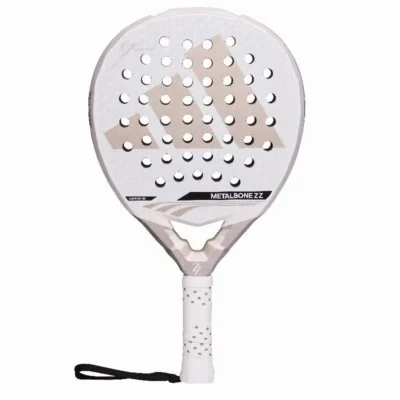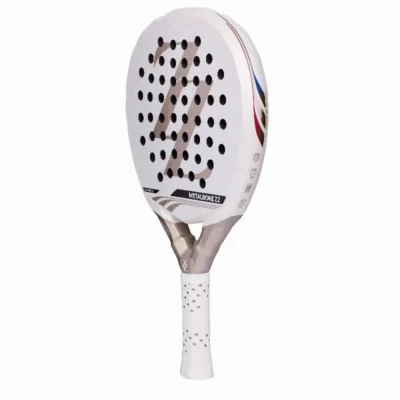

If you like a racket that feels quick through the air and easy to trust in fast exchanges, this Head Speed padel review will probably answer your main question straight away: is it actually worth the money? For many players, yes. The Speed range has built a strong reputation because it offers a very usable mix of manoeuvrability, controlled power and comfort without feeling too demanding.
That balance is exactly why the Head Speed line appeals to such a wide group of players. It is not only for advanced players chasing the cleanest overheads. It also makes sense for intermediates who want a racket that helps them play quicker at the net, defend without feeling late, and still put enough pace on the ball when the point opens up.
Head Speed padel review: the short verdict
The Head Speed range is best for players who want an all-round racket with a slightly fast, lively feel. It tends to suit intermediate to advanced players most, especially those who value quick reactions, easy handling and a balanced performance across defence and attack.
The big selling point is not raw power alone. If your main goal is to hit the heaviest possible viboras and smashes every point, there are more aggressive options on the market. The Speed line stands out because it gives you enough pop while staying easier to move and easier to control than many diamond-shaped power rackets.
That makes it a smart choice if your game is built on tempo, positioning and taking the ball early. In real match play, that often matters more than a racket that only feels brilliant on overheads.
What the Head Speed range usually feels like on court
Across the different models, the Speed family generally leans towards a teardrop or hybrid profile with a medium to medium-high balance. In practice, that usually means you get a racket that accelerates nicely on volleys and bandejas, but still gives enough mass behind the ball when you need to finish a point.
The first thing many players notice is how easy it is to get the racket into position. At the net, where padel points can change in a split second, that matters a lot. A racket that feels sluggish can leave you defending your body or reacting late on low volleys. The Speed tends to avoid that problem.
Comfort is another strong point. Head has done well in recent years at producing rackets that feel modern and responsive without becoming harsh. That does not mean every Speed model is soft, because some are clearly firmer and more performance-focused than others, but the range as a whole is usually more user-friendly than many players expect from a racket used by top-level names.
Who should buy a Head Speed racket?
If you are an improving intermediate, the Speed line makes a lot of sense when you want one racket that can grow with your game. It gives enough support in defence, especially when you are stretched or playing off the glass, but it also encourages a more active attacking style as your confidence improves.
For advanced players, it depends more on preference. If you like a fast, balanced racket that helps you stay sharp in hand battles and rewards clean technique, the Speed can be a very good fit. If you prefer a heavier, head-loaded racket that feels built purely for finishing points, you may find it a little too rounded.
For complete beginners, it is more mixed. Some softer or lighter Speed models can work, but many new players are better off starting with something even easier and more forgiving. A beginner usually benefits more from a large sweet spot, softer touch and lower overall demand. The Speed range can absolutely be manageable, but not every model is the easiest starting point.
Strengths of the Head Speed line
The biggest strength is versatility. This is the sort of racket family that rarely feels one-dimensional. You can defend, block, counter and attack without feeling that one area of your game is being heavily compromised.
Another clear plus is speed in the hand. That sounds obvious given the name, but it is genuinely one of the reasons players keep coming back to this range. Quick preparation helps on reflex volleys, quick interceptions and tight exchanges close to the net. If you play doubles padel with an active, aggressive net game, that quickness is a real advantage.
There is also enough accessible power for most club-level players. You do not need elite technique to get something out of the racket. The ball comes off the face cleanly, and when you time your overheads well, the response is lively enough to finish points or at least force weaker replies.
Where the trade-offs are
No racket does everything perfectly, and that applies here as well. The main trade-off is that the Speed range is often at its best as a complete all-round package rather than as a specialist weapon.
So if you are shopping for maximum control and a very dampened touch, there are other rackets that feel calmer and more precise, especially in slower points. Likewise, if your game is based almost entirely around explosive overhead power, a more head-heavy power model may give you the harder finish you want.
Another point is feel. Some players love a crisp response because it gives them better feedback on impact. Others find that slightly firmer sensation less forgiving on off-centre hits. Whether that is a problem depends on the exact model and on your own arm comfort, but it is worth thinking about if you are sensitive to vibration or coming back from elbow trouble.
How it performs in defence
This is where the Speed range often wins people over. Defensive padel is not only about soft touch. It is also about getting the racket into place quickly and being able to redirect the ball without overcomplicating the swing.
The Head Speed generally helps with that. On back-glass shots and low pickups, it feels mobile enough to recover awkward balls while still giving useful output. You do not feel as though you need a huge swing to get depth. That makes life easier when opponents are pressing and you are trying to reset the point.
Players moving up from a very soft beginner racket may notice that the response is a little more direct. That can actually be positive once your timing improves, because it gives a cleaner connection and makes defensive lobs feel less floaty.
How it performs in attack
At the net, the Speed line comes alive. Volleys feel sharp and natural, especially when you are taking the ball early and looking to keep pressure on. The racket moves quickly enough to let you react rather than just survive.
On bandejas and viboras, the balance between control and pace is one of its better qualities. You can shape the ball confidently, but there is still enough help from the racket to keep your attacking shots meaningful. Smashes are solid rather than outrageous. For many players, that is a fair trade because it means the racket stays useful in every phase of the point.
If your game is built on constant overhead dominance, you may want something more powerful. But if you win points by building pressure, closing space and staying quick at the net, the Speed fits that style very well.
Is the Head Speed good value?
In simple terms, yes, provided you are the right type of player for it. Head is a major brand, so you are paying for proven design and strong market recognition, but the Speed range usually earns its place because it covers so many situations well.
That matters when you are buying one racket to use across training and matches. A specialist racket can feel brilliant in one area and frustrating in another. The Speed tends to avoid that trap. For many club players, especially intermediates, that makes it money well spent.
If you are shopping smart, it is also worth comparing models within the Speed family rather than assuming they all play the same. Differences in weight, materials and firmness can shift the racket from more forgiving to more demanding.
Final thoughts on this Head Speed padel review
The best way to think about the Speed range is simple: it is for players who want a racket that keeps up with modern padel without becoming hard work. It gives quick handling, dependable all-round performance and enough power to stay dangerous, which is why so many players find it easy to live with long term.
If that sounds like your game, the Head Speed is well worth a serious look. Buy for how you actually play now, not for the player you might be in a year, and you are far more likely to end up with a racket you enjoy every time you step on court.