You feel it within the first few rallies. A padel racket or tennis racket might look like a simple gear choice, but on court they ask you to play in completely different ways. If you’re deciding between the two, or wondering whether a tennis background automatically helps in padel, the short answer is this: some skills transfer, but the equipment does not.
For most players, that matters immediately. The wrong racket for the sport makes timing harder, control less predictable and confidence slower to build. The right one makes the game feel natural far sooner.
Padel racket or tennis racket – what actually changes?
The biggest difference is not just shape. It is how the racket works with the sport itself.
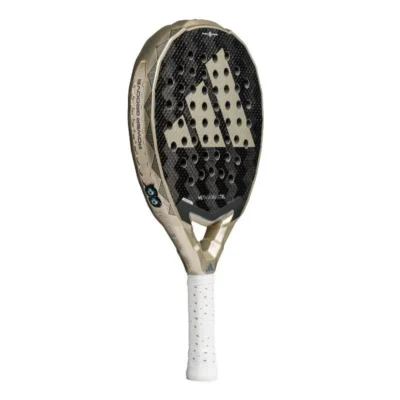
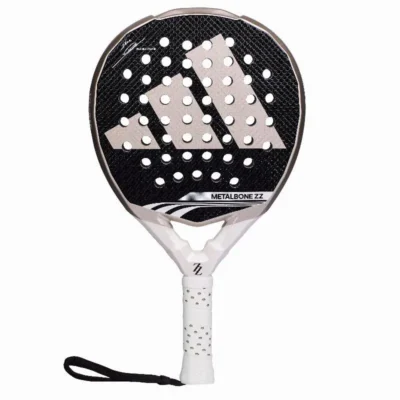
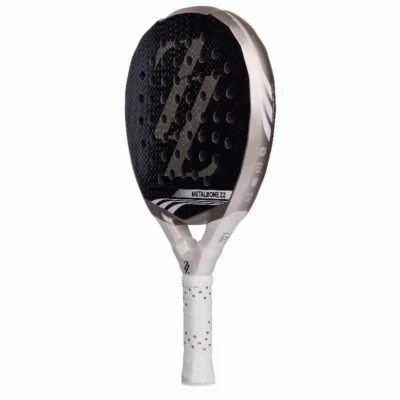
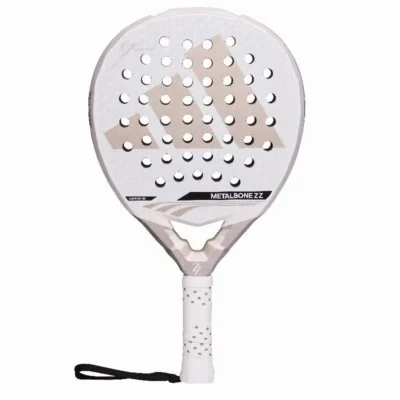
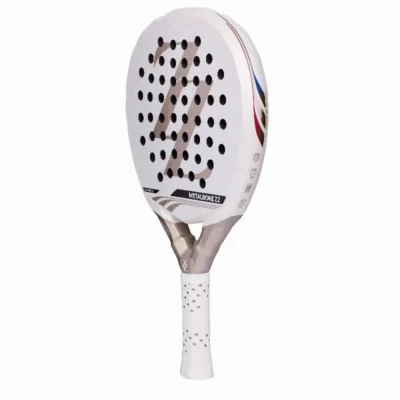
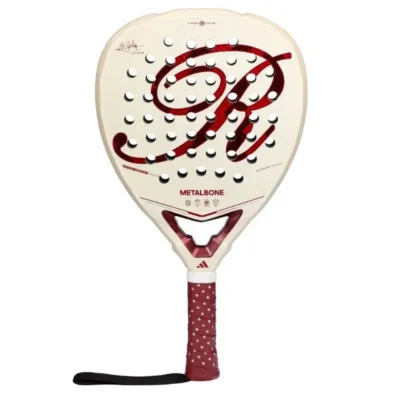
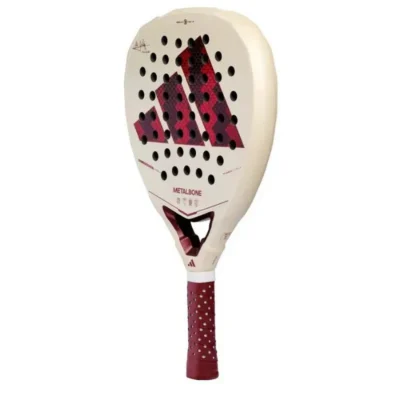
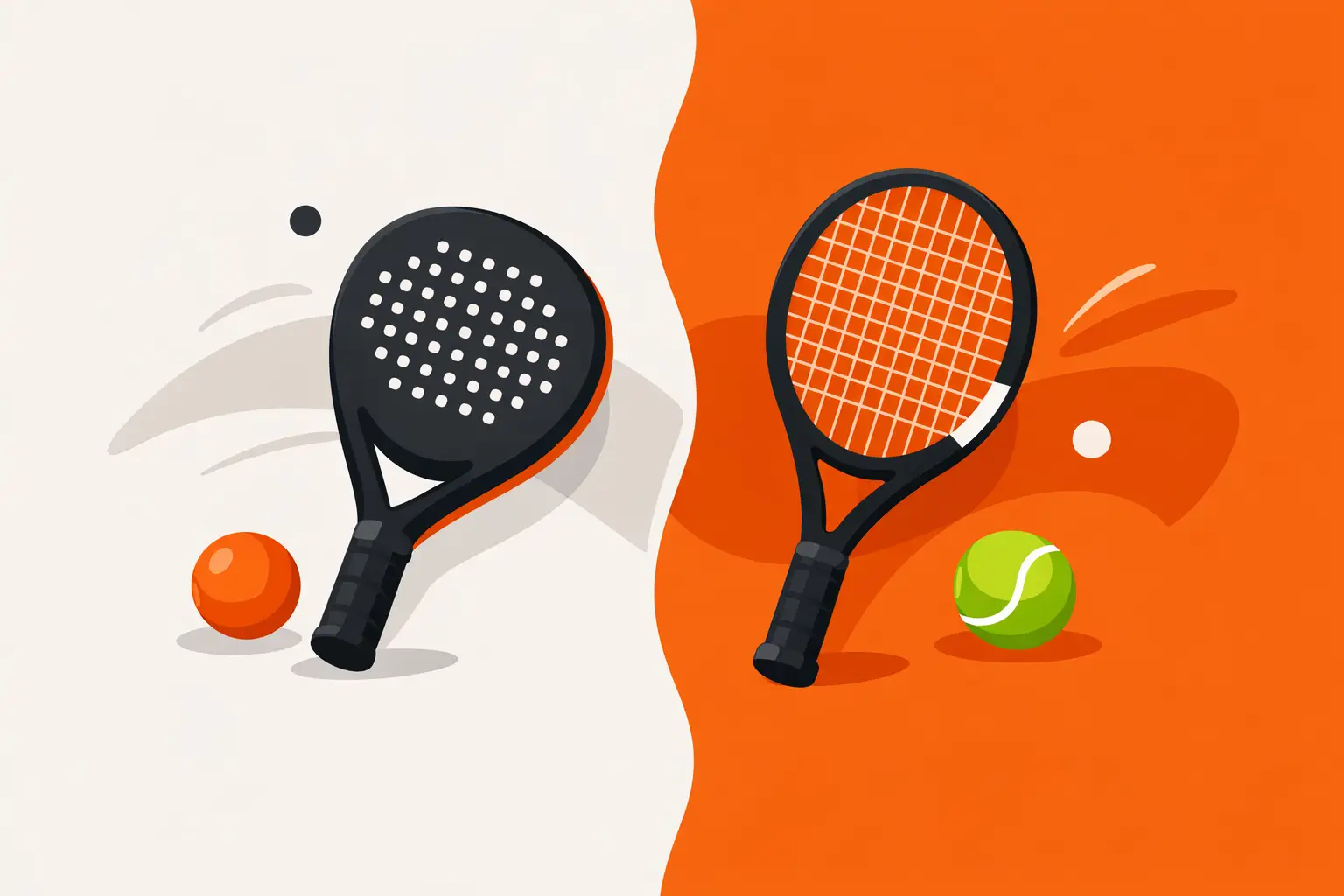
A tennis racket has strings, a longer frame and more reach. It is built for a larger court, higher bounce, longer swings and more topspin. A padel racket is solid, shorter and perforated, with an EVA or foam core rather than strings. It is designed for compact swings, quick reactions, controlled volleys and use close to the glass.
That changes everything about contact. In tennis, the strings add rebound and give you more room to generate pace and spin through a fuller swing. In padel, the face feels firmer and more direct. You are often blocking, guiding or punching the ball rather than taking a big cut at it.
This is why players who try to compare them by power alone usually miss the point. A tennis racket can produce more raw pace in open space. A padel racket gives you the precision and manoeuvrability the sport demands.
Why you cannot use a tennis racket for padel
Technically, the question comes up often because tennis players assume they can start padel with what they already own. In practice, that is not how the game works.
Padel has its own rules and feel. The court is smaller, reaction time is shorter, and the walls are part of play. A tennis racket is too long and too lively for that environment. It makes soft defensive shots harder, volleys less stable and quick exchanges at the net more awkward.
There is also the simple issue of control. On a padel court, many of the best shots are played with compact preparation and precise placement. A tennis racket encourages a different swing path and different timing. You can adapt your body, of course, but you are making the game harder than it needs to be.
If your goal is to enjoy padel and improve quickly, start with a proper padel racket. That is the smarter buy, not just the cheaper short-term workaround.
The feel on court is completely different
If you have only played one sport, this is the part worth understanding before you buy.
A tennis racket feels more elastic on impact because of the strings. There is a clearer pocketing sensation, especially on topspin groundstrokes. The frame length also helps with reach and leverage, which suits baseline play and serving.
A padel racket feels more compact and connected. Because there are no strings, impact is firmer and more immediate. On volleys and blocks, that can be a huge advantage. The racket moves quickly, stays stable in the hand and helps you keep the ball low and controlled.
For beginners, this usually means padel feels easier to pick up in short exchanges, while tennis can feel more intuitive if you already know how to swing through the ball. Neither is better in absolute terms. They are simply built for different shot patterns.
Power is not the whole story
Some buyers focus on whether a padel racket hits harder than a tennis racket. That is the wrong comparison.
Tennis rewards acceleration over a larger swing and gives you more opportunities to create pace from the back of the court. Padel rewards decision-making, placement and timing in tighter spaces. Power still matters in padel, especially on overheads, but control matters more often.
That is why many padel players do better with a racket that offers balanced performance rather than maximum aggression. If you are buying for real match play, not just hitting a few flashy smashes, comfort and consistency usually win more points.
Choosing the right racket depends on the sport and the player
Once you accept that padel and tennis need different rackets, the next question is simpler: what kind of padel racket suits you best?
This depends on your level, your playing style and what you want more help with.
Beginners usually benefit from a round or forgiving hybrid shape with a larger sweet spot. That gives more control, easier contact and better comfort when timing is still developing. If you are new to padel, this is almost always the best place to start.
Intermediate players can begin to choose more deliberately. If you want steadier defence and cleaner placement, lean towards control. If you want a more all-round feel for both volleys and overheads, hybrid makes sense. If you are naturally aggressive and already make solid contact, a power-focused option can work, but only if you do not sacrifice too much consistency.
Advanced players have more freedom, but even here the answer is not always the hardest or most demanding racket. A racket should match how you win points. Some strong players need quick handling and touch. Others want a firmer face and head-heavier balance to finish points above shoulder height.
If you come from tennis, what should you expect?
A tennis background helps, but not in every way people assume.
You will probably understand positioning, timing and competitive patterns faster than a complete beginner. You may also generate pace naturally. But padel asks for shorter swings, more patience in defence and much softer hands around the net and glass.
This is why ex-tennis players often choose rackets that are too hard or too powerful in their first weeks. They expect to hit through the ball the same way, then find themselves overplaying simple shots. A slightly more forgiving padel racket usually leads to better results early on, even for strong tennis players.
Padel racket or tennis racket for beginners
If you are choosing a first racket and have not committed to one sport yet, think about where you will actually play most.
If you are joining friends for padel, booking doubles courts and learning the wall game, buy a padel racket. If you are taking lessons on a full court, serving regularly and building groundstrokes, buy a tennis racket. It sounds obvious, but many buyers overcomplicate this because the sports look related.
The truth is simple: buy for the game you are playing now, not the one you might try occasionally.
For padel beginners, comfort and control should come before headline specs. A lighter or medium-weight racket with an accessible sweet spot helps you defend better, volley more cleanly and enjoy the sport faster. That confidence matters. It keeps you playing, and playing more is what really improves your level.
What matters when shopping for a padel racket
When comparing models, focus on a few practical things rather than trying to decode every technical claim.
Shape affects forgiveness and style. Round tends to favour control, diamond tends to favour power, and hybrid sits in the middle. Balance changes how heavy the racket feels during swings and volleys. Core and face materials affect comfort, firmness and response. Weight influences manoeuvrability but should always be judged together with balance.
The best choice is rarely the most expensive one. It is the one that matches your level and makes your game easier. That is where sensible buying guidance matters most. A good shop should help you narrow by ability and playing style rather than forcing you through endless product jargon.
That is also why players often shop by categories such as beginner, intermediate, advanced, control, hybrid and power. It is a more useful way to buy than chasing pro-level specs that do not suit your game yet.
The smarter answer for most players
If the real question behind padel racket or tennis racket is which one gives you the best experience on a padel court, the answer is clear: choose a proper padel racket, and choose one that matches how you play.
You will move better with it, react faster with it and learn the sport properly with it. More importantly, you will avoid the common mistake of using equipment that fights the game instead of supporting it.
There is no prize for making padel harder than it needs to be. Start with the right racket, keep your choice practical, and let your level guide your next upgrade.