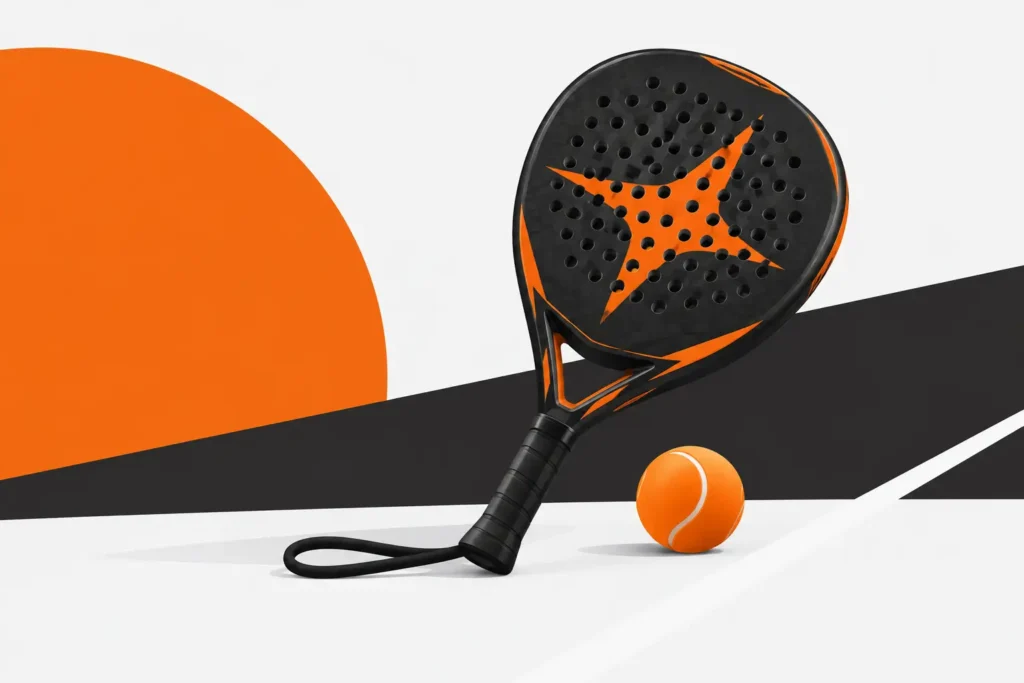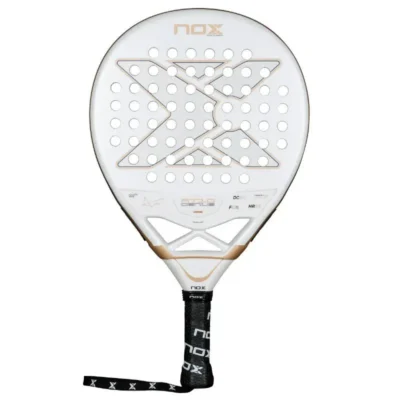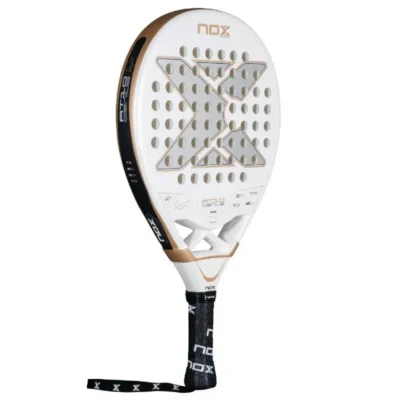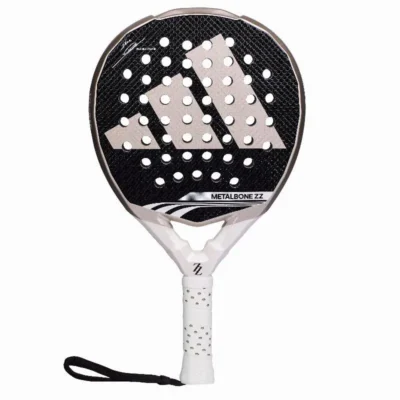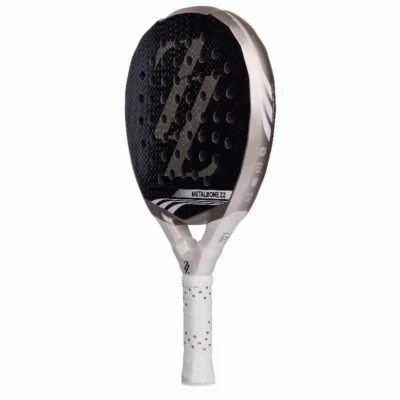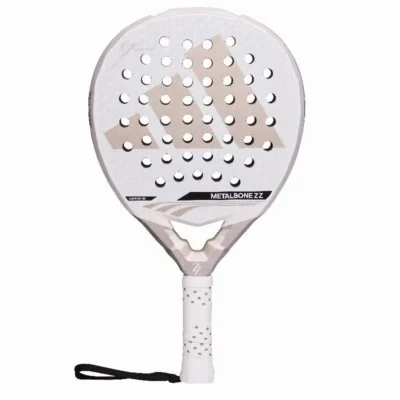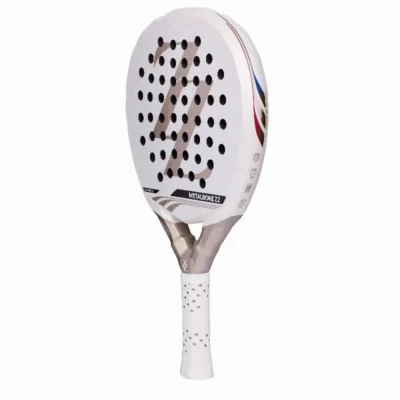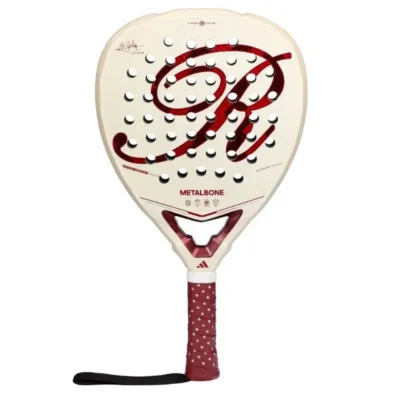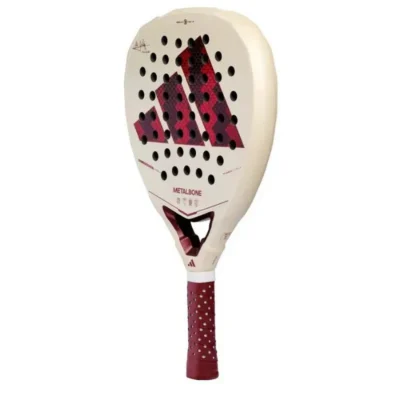

A racket that helps you place the ball well is worth more than one that only feels impressive during warm-up. In this Starvie Astrum racket review, we look at why the Astrum range appeals to players who want dependable control, useful comfort and enough response to build points with purpose.
The Astrum is not usually the obvious choice for players chasing maximum power from every overhead. Its appeal is more measured. It is designed for the player who values clean contact, a manageable feel and confidence when defending, constructing rallies and choosing the right moment to attack.
What the Starvie Astrum racket is built to do
The Starvie Astrum is generally a round, control-focused racket family. That shape matters because it places the sweet spot closer to the centre of the face, where most players find consistent contact more easily. In practical terms, you get a racket that is more forgiving on volleys, defensive blocks and slower balls played under pressure.
Different Astrum versions can vary by season and specification, including their face material, core firmness, surface texture and weight balance. That is worth checking before you buy. However, the overall Astrum character remains clear: it is aimed at players who want to direct the ball rather than simply hit through it.
This makes it a sensible option for the player who wins points with placement, patience and better decisions. If you enjoy finding the corners, changing height and speed, and keeping your volley stable at the net, the Astrum profile makes a lot of sense.
Feel on court: control first, but not passive
The strongest point of the Astrum is the confidence it can give you in ordinary rally situations. A good control racket should not make every shot feel extraordinary. It should make more of your normal shots land where you intended. That is the useful difference.
From the back of the court, the round shape helps when you are absorbing pace and returning deep balls. You can block a hard bandeja or volley without feeling that the ball will spring wildly off the face. Players who are still improving their defensive technique often benefit from this steadier response, especially when using the glass and playing balls below shoulder height.
At the net, the Astrum is suited to compact volleys and angles. It does not demand a huge swing to keep the ball controlled, which can help during fast exchanges. You are able to hold the racket in front, meet the ball cleanly and keep pressure on opponents without overhitting.
The trade-off is clear on finishing shots. Players who rely on a very aggressive smash may find a diamond-shaped power racket gives them more effortless penetration. The Astrum can still be effective overhead, but it rewards timing and technique more than raw force. If your smash is developing, that is not necessarily a disadvantage. It may encourage better contact instead of encouraging you to swing harder.
Sweet spot and forgiveness
A centrally positioned sweet spot is one reason round rackets remain popular with beginners, intermediates and many advanced control players. Off-centre contact still happens, particularly when defending a quick ball at your feet. With an Astrum-style racket, those imperfect hits are often easier to manage than with a head-heavy power model.
That forgiveness does not mean the racket is only for cautious play. It means you have a better platform for playing your own game. You can take the ball early, use lobs to reset points and move opponents around without feeling punished every time contact is slightly late.
Comfort and firmness
Comfort depends on the exact Astrum version and the player holding it. A firmer face can give a more direct, precise response, while a softer feel can help when absorbing pace and may feel friendlier over long sessions. Grip size, overgrip choice and racket weight also make a real difference.
If you have had elbow or wrist discomfort, do not select a racket on shape alone. A lighter, more manageable setup and a comfortable grip can matter as much as the racket’s advertised technology. The right racket should feel stable without forcing you to tense your hand or fight the balance through every swing.
Who should choose the Starvie Astrum?
The Astrum is a particularly good fit for intermediate players who have moved beyond basic rallying and now want to play with more intention. You may recognise yourself here if you can defend consistently, use lobs to regain the net and want a racket that supports accurate volleys rather than chasing extra power.
It also works well for advanced players with a control-led game. A player on the right side, for example, may value consistency in blocks, returns and volleys more than a racket designed around big finishing shots. On the left side, it can suit a player who creates openings with placement and spin before putting away the easier ball.
Beginners can enjoy the round shape and forgiving nature, but they should be careful with higher-performance versions. A premium racket can feel great, yet a beginner does not always need a firmer face or demanding build. If you are new to padel, prioritise a comfortable weight and easy handling. The best choice is the one that helps you learn clean technique without making the game feel hard work.
The Astrum is less suitable if your priority is maximum power and a high balance. Players who live for flat smashes, aggressive viboras and finishing points from behind the service line may prefer a hybrid or diamond racket. There is no wrong choice here. It comes down to how you actually play, not the style of player you hope to become next month.
Starvie Astrum racket review: strengths and compromises
The Astrum’s biggest strength is its all-round reliability. It supports a controlled game from the first defensive ball through to the volley that sets up the point. Its round profile makes it approachable, while its performance-focused construction gives experienced players enough feedback to play accurately.
It is also a racket that can make tactical padel easier. When the racket feels predictable, you are more likely to choose the sensible shot: a deep lob instead of a rushed winner, a low volley instead of a wild swing, or a controlled chiquita to take the net. Those decisions win more matches than an occasional spectacular smash.
The compromise is that it may not offer the explosive help some players want on attacking shots. Power is still available when you create it with technique, body rotation and good timing, but the racket does not do all the work for you. Players used to a high-balance, power-focused model may initially find it calmer and less dramatic.
That calmer response is exactly why many players will prefer it. Padel is full of awkward contacts, rushed balls and repeated exchanges. A racket that behaves well in those moments is often more valuable than one that only shines when everything is perfect.
How to choose the right Astrum setup
Before choosing an Astrum, think about your current racket. If it feels heavy at the head and you struggle to react at the net, a more balanced round option could be a welcome change. If your current racket feels too soft or vague, look for an Astrum version with a firmer, more responsive feel.
Weight deserves proper attention. A slightly lighter racket can be easier to manoeuvre and less tiring over a long match, while a heavier option may offer more stability when blocking hard shots. Do not assume heavier always means better. The right weight is the one you can accelerate, control and use comfortably through the third set.
Also consider the surface finish if you like to use spin. Textured faces can help you feel more connected on sliced volleys and spin-heavy serves, but they will not replace technique. Choose the overall feel and balance first, then treat extra surface texture as a useful bonus.
For players shopping across Starvie’s range, the Astrum is the smart place to start when control is your main requirement. Compare the individual version’s weight, materials and balance with your playing style, then choose the one that makes your most common shots feel easier. Shop smart, play better – and let your racket support the padel you play every week, not just the highlight shots you want to hit.