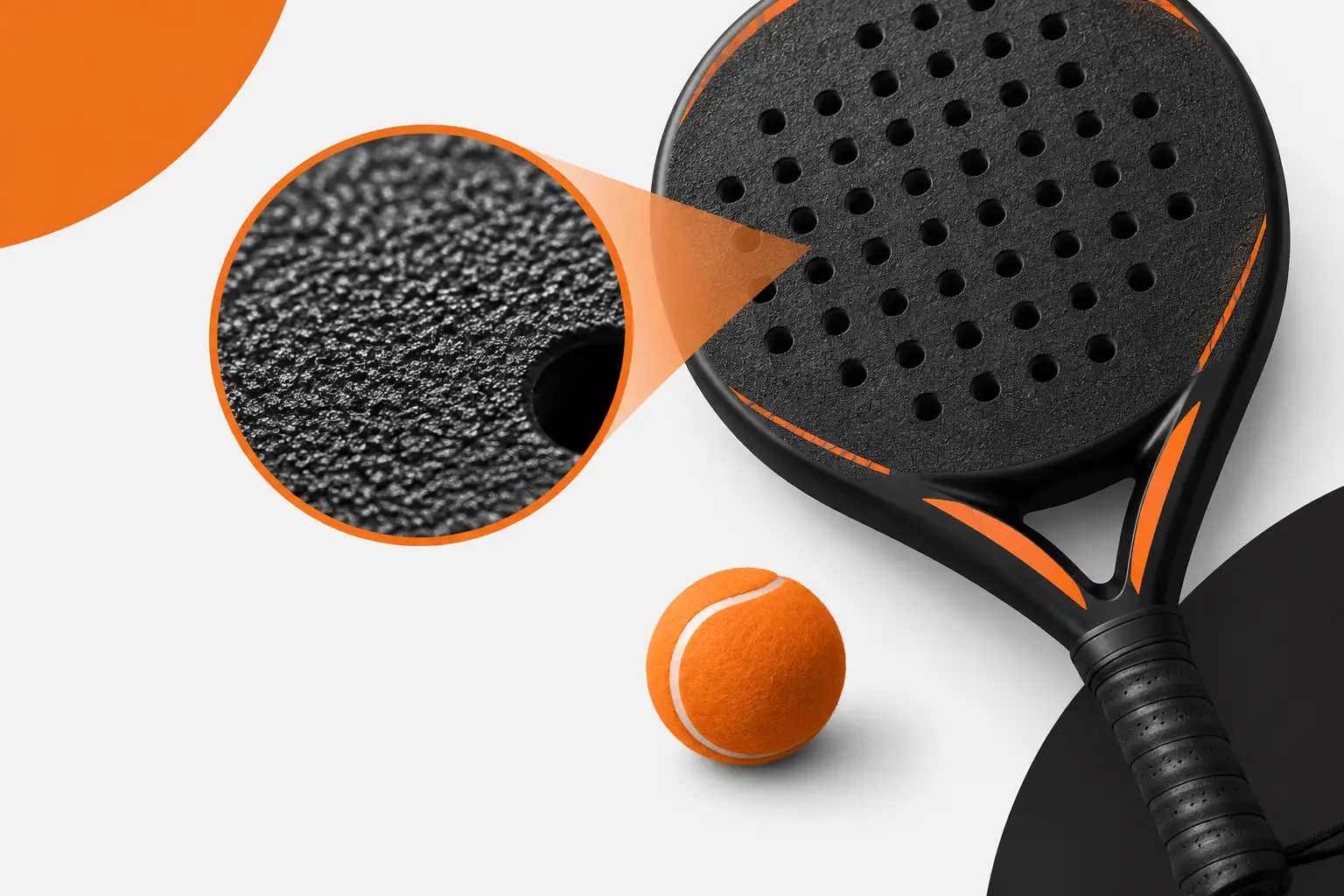
A rough padel racket face is not just a cosmetic detail. When players ask, what is racket rough surface, they are usually looking at the textured finish on the hitting face that helps the ball grip for longer at contact. The main benefit is easier access to spin – especially on bandejas, viboras, sliced volleys and kick serves.
It can be a useful feature, but it is not a shortcut to perfect spin. Your technique, timing and racket setup still do most of the work. Think of a rough surface as an extra helping hand: valuable for the right player, but not necessarily the first thing to prioritise when choosing a racket.
What is a racket rough surface?
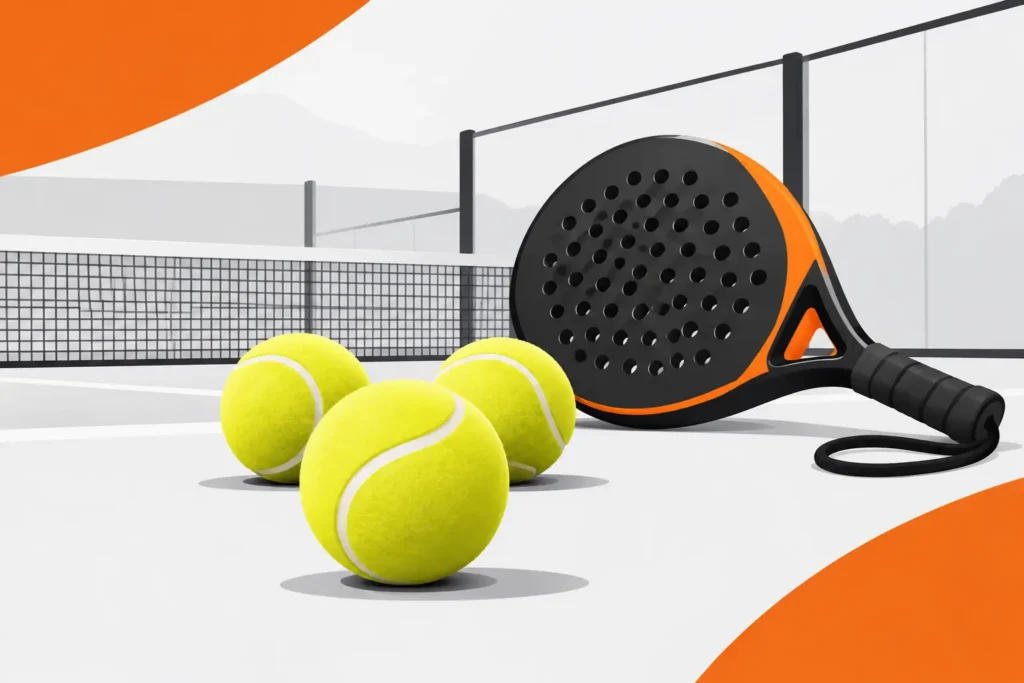
A rough surface is a textured layer or pattern on the face of a padel racket. Instead of feeling completely smooth, the striking area may have a sandy finish, raised shapes, small dimples or a 3D pattern. Brands use different names for these technologies, but the purpose is similar: create more friction between the ball and racket face.
That added friction can help you brush the ball more effectively. When you cut under, across or over the ball, the texture supports the spin you are trying to produce. This is particularly noticeable on controlled attacking shots where you have time to prepare and want the ball to dip, skid or kick after the bounce.
A rough face is most common on intermediate and advanced padel rackets, although some beginner-friendly models now include a light texture too. The feel varies greatly between rackets. One surface may be gently raised and barely noticeable, while another may feel distinctly gritty under your fingers.
How does a rough surface affect your shots?
The clearest advantage is spin. A textured face can make it easier to put slice on a defensive lob, carve a low volley or add kick to a serve. For players who use the walls well, this matters because a spinning ball can be harder for opponents to read and return cleanly.
On the right shot, extra spin gives you more tactical options. A sliced bandeja can stay low after the glass. A vibora can move away from an opponent after the bounce. A topspin chiquita can dip into the feet of a player waiting at the net. These are small margins, but padel is often decided by small margins.
There can also be a slight difference in feel at impact. Some players feel that a textured face offers a more connected, grippy contact, particularly with softer balls or slower shots. That said, the foam or EVA core, face material, weight and balance have a much bigger effect on overall feel and ball output.
Do not expect a rough surface to transform a flat swing into a spin-heavy shot. If your contact is square and you do not brush the ball, the texture has little to work with. Good technique remains the foundation.
Spin is useful, but it is not always the priority
A rough surface is helpful when spin is already part of your game. It is less important if you are a newer player learning to hit the ball consistently from the centre of the racket. In that stage, a larger sweet spot, comfortable weight and easy control will normally help more than an aggressive texture.
Likewise, players who rely on fast, direct smashes may benefit more from a racket’s balance, shape and power response than from surface roughness alone. A diamond-shaped racket with high balance can offer plenty of attacking potential whether the face is smooth or textured.
Types of rough padel racket surface
Not all textures are made in the same way. Understanding the difference helps when comparing rackets online.
Sandpaper-style or gritty finishes
Some rackets use a coating that feels similar to very fine sandpaper. This creates obvious friction and can feel effective from the first hit, especially on sliced shots. The trade-off is durability: repeated contact with balls, glass, court surfaces and normal use can gradually smooth the finish.
How quickly it wears depends on the quality of the coating, how often you play and how you treat the racket. It is normal for a sprayed-on texture to become less pronounced over time. That does not mean the racket has stopped performing, but the extra spin effect may reduce.
3D moulded patterns
Other rackets have raised lines, dots, ridges or geometric patterns built into the face itself. These textures tend to feel less gritty but are often more durable because they are part of the racket’s construction rather than a surface coating.
A moulded pattern may offer a more consistent texture through the life of the racket. However, the amount of grip can be subtler than a heavily sanded finish. The better option depends on what you prefer: maximum initial bite or a texture designed to last longer.
Embossed branding and mixed textures
Some faces combine a light rough finish with raised logos or zones. This can add grip without making the entire racket feel abrasive. It is a balanced option for all-round players who want some spin support but do not want the surface to dominate the feel of the racket.
Is a rough surface legal in padel?
Yes, padel rackets can have textured faces. Rough, embossed and patterned hitting surfaces are widely used by major racket brands and are a normal feature in the sport.
The important point is that the surface must be part of a legal racket design and must not be altered afterwards. Do not add grip tape, sand, glue or any homemade coating to the hitting face in an attempt to create more spin. Aside from potentially causing damage, modified surfaces may not be allowed in competition.
If you play league matches or tournaments, use the racket as supplied by the manufacturer. It is the simplest way to avoid any doubt.
Who should choose a rough-surface racket?
Intermediate players are often the best match for a rough surface. At this level, you may already be using slice on volleys, trying to control the bandeja and learning how to vary speed and spin. A textured face can make those developing shots feel more reliable.
Advanced players can benefit even more, particularly if their game is based on placement, variation and pressure rather than pure power. A player who regularly uses viboras, sliced drops and kick serves has more opportunities to use the texture well.
Beginners should not avoid rough faces completely, but they should keep the feature in perspective. If you are choosing between a forgiving round racket with a good sweet spot and a demanding power racket with a rough face, the forgiving racket is usually the smarter buy. Shop for the racket that supports your current level first, then look at extras such as texture.
Rough surface versus smooth surface
A smooth racket face can still produce excellent spin. Many skilled players generate plenty of rotation with clean technique, the right ball contact and a suitable racket setup. Smooth faces may also appeal to players who prefer a simpler, more predictable feel.
The difference is not usually dramatic on every shot. On a firm volley or flat smash, surface texture plays a smaller role because you are driving through the ball. It becomes more relevant when you deliberately brush the ball, slow the pace down or use angle and slice.
A rough face may suit you if you enjoy constructing points, forcing awkward rebounds and changing the pace. A smooth face may suit you if you prefer direct hitting and do not want to pay extra for a feature you will rarely use. Neither is automatically better.
How to make a rough surface last
Textured faces need sensible care. Avoid dragging the racket along the court, leaning it against rough walls or leaving it in a hot car. Heat can affect the racket materials, while scrapes and repeated friction can wear down the outer finish.
Clean the face gently with a soft, slightly damp cloth when needed, then let it dry naturally. Do not use abrasive cleaners, solvents or stiff brushes. They can damage the finish you are trying to preserve.
A racket protector can help guard the frame from knocks, but keep it away from the hitting surface. The face needs to remain clean and unobstructed for consistent contact.
How to choose the right textured racket
Do not buy a racket based on roughness alone. Start with your level and playing style. Beginners normally benefit from round shapes, lower balance and an easy sweet spot. Intermediate players often enjoy hybrid rackets that combine control with enough power for overhead play. Advanced attacking players may prefer a teardrop or diamond shape, provided they can handle the smaller sweet spot and higher balance.
Then consider the face material and core. Softer rackets can give easier ball output and comfort, while harder carbon faces often provide a crisper response for faster swings. Add the rough surface as part of that bigger picture, not as the deciding factor by itself.
If spin is one of your main weapons, choose a racket with a texture you can genuinely feel and a shape that suits your game. If you are still building consistency, choose comfort and control first. The best racket is the one that helps you play your next match with more confidence, not the one with the longest list of features.