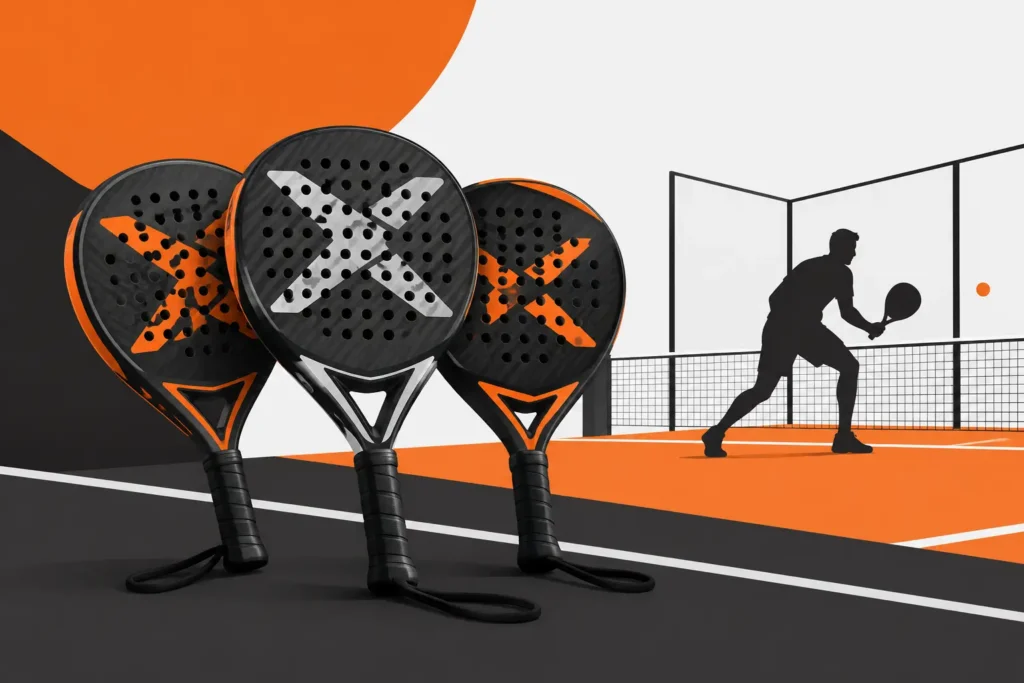
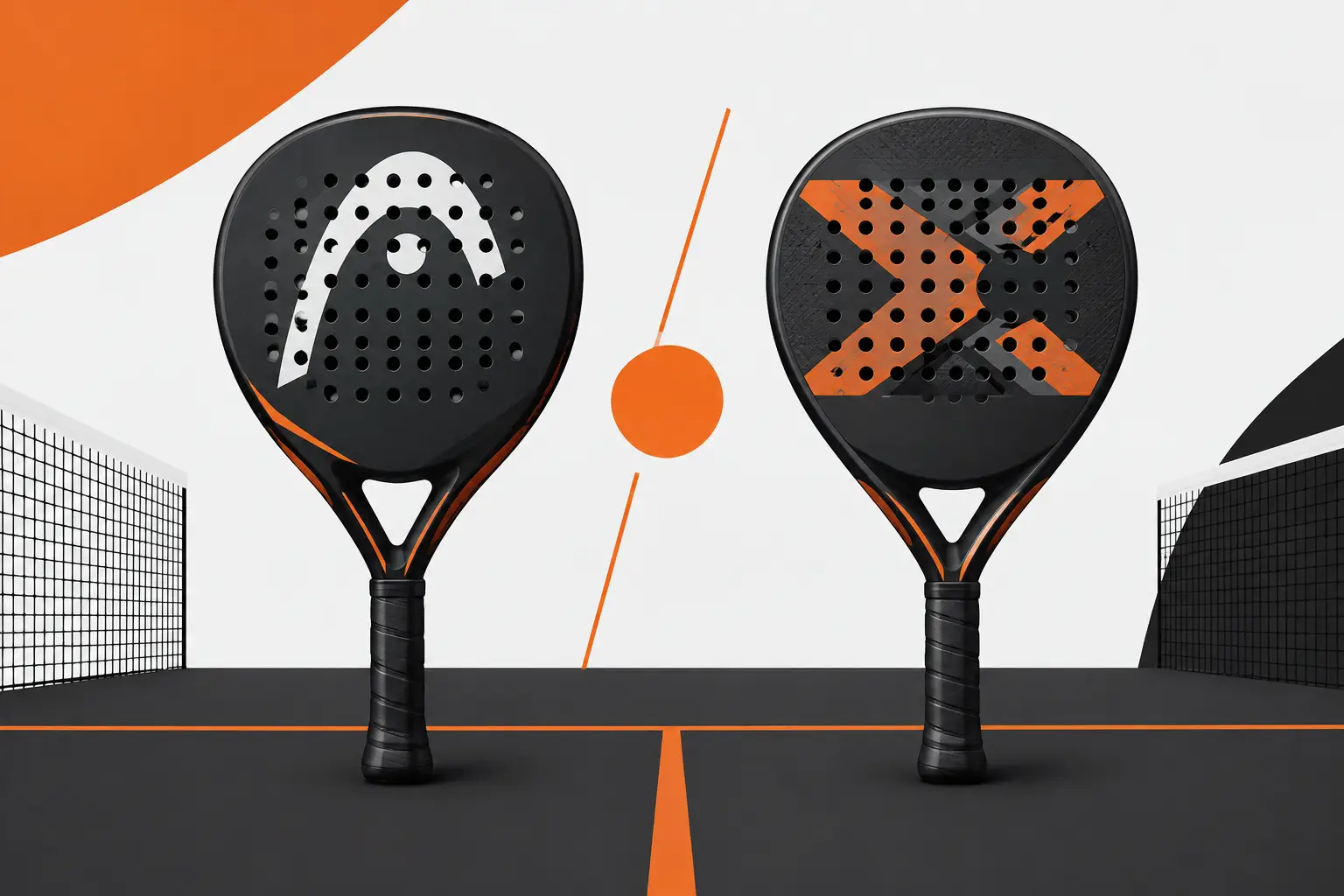
A Head versus Nox choice often comes down to one question: do you want a racket that feels easy to move and forgiving through the point, or one that gives you a firmer, more connected response at impact? Both brands make excellent padel rackets for every level, but they tend to deliver performance in different ways.
Head is a familiar choice for players who value comfort, manoeuvrability and a broad range of user-friendly options. Nox has built a strong following with rackets that feel precise, solid and confidence-inspiring, particularly for players who like to construct points with control before finishing them. The right answer is not about which logo is better. It is about which racket helps your game most.
Head versus Nox: the main difference
The quickest way to separate the two is by feel. Many Head rackets are designed to give a lively, comfortable response, with technologies and constructions aimed at reducing harsh vibration. They often suit players who want help generating pace without having to swing at full effort every time.
Nox rackets commonly appeal to players who want a more defined hit and clear feedback from the ball. Their range includes comfortable options too, but the brand is especially well known for rackets that reward clean technique, measured placement and controlled aggression.
That said, neither brand fits into one simple box. Head makes demanding power rackets for high-level attackers, while Nox offers accessible round models that are ideal for newer players. Shape, balance, weight and face material matter just as much as the name on the frame.
Who should choose a Head padel racket?
Head is a strong option if you want a racket that feels quick in the hand and easy to use across different situations. At the net, a manoeuvrable Head racket can make fast volleys and defensive reactions feel less demanding. From the back of the court, a softer or more elastic feel can add useful depth when your timing is not perfect.
Beginners often benefit from Head’s forgiving models, especially round or hybrid shapes with a larger sweet spot. A bigger sweet spot means more useful shots when you do not strike the ball exactly in the centre – something every developing player needs.
Intermediate players may also appreciate Head if they play an all-court game. If you defend hard, move forwards often and want a racket that does not punish you after a long match, a balanced hybrid design is usually a sensible place to start. It provides more attacking potential than a classic round racket without becoming difficult to control.
For advanced players, Head’s more attack-focused teardrop and diamond options can deliver serious speed overhead. These rackets generally ask more of your technique. If your bandeja, vibora and smash are reliable, the extra power can be worth it. If they are not, a lower-balance model may give you better results during real match play.
The Head feel: comfort and speed through the air
A Head racket can be particularly appealing if you have had elbow or wrist discomfort with very hard rackets. Comfort is never guaranteed by a brand alone, and persistent pain deserves proper attention, but a softer feel and manageable balance can reduce the shock of off-centre contact for many players.
Do not choose a racket only because it feels soft, though. A very soft face can sometimes feel less precise on hard volleys or attacking shots. Players who hit with fast, confident swings may prefer a firmer Head model that offers more direct feedback.
Who should choose a Nox padel racket?
Nox is an excellent fit for players who enjoy feeling connected to the ball. Its rackets often suit a controlled game built around accurate lobs, purposeful volleys and well-placed shots into the corners. Rather than trying to win every point with one big swing, you can use placement to create the right ball to attack.
The brand’s round control rackets are popular with beginners and intermediates who want a stable platform for learning. With weight distributed closer to the handle and a generous hitting area, they help make defensive shots, returns and net exchanges more predictable.
Nox also has plenty for advanced players. Its hybrid and diamond-shaped rackets are made for those who want to press the game at the net and add more bite to overhead shots. A higher balance puts more mass towards the top of the racket, which can make smashes heavier but will usually feel slower during quick exchanges.
The Nox feel: precision and a more defined response
If you already have consistent technique, a Nox racket can give rewarding feedback. You may notice more clearly where you have contacted the ball and how cleanly you have played the shot. That can make it easier to develop confidence in your touch and placement.
The trade-off is that some firmer, more performance-led models are less forgiving on late contact. A racket that feels brilliant during a perfect warm-up can become demanding when you are under pressure and defending low balls near the glass. Match your choice to your normal game, not just your best five minutes on court.
Shape matters more than brand loyalty
When comparing Head versus Nox, start with the shape that suits your level and style. A round racket is normally the safest choice for beginners, defensive players and anyone prioritising control. Its lower balance and central sweet spot make it easier to handle.
A teardrop or hybrid racket is the practical middle ground. It blends control with extra attacking potential and is often the best category for improving players. You can still defend comfortably, but you have more help when accelerating through volleys and overheads.
A diamond racket is built for power. The sweet spot sits higher, and the balance is often higher too. This can help experienced players produce more force on aggressive shots, but it demands good preparation and timing. If you regularly mistime volleys or struggle to react quickly at the net, choosing diamond purely for power can backfire.
Compare weight, balance and face feel before buying
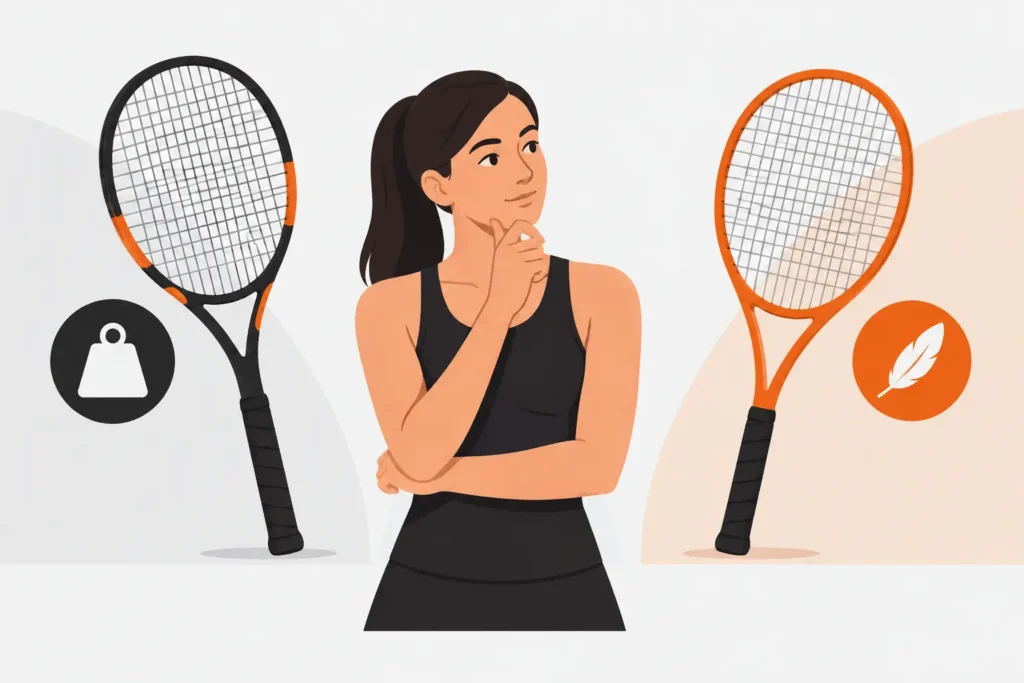
Two rackets with the same shape can play very differently. Weight affects stability and fatigue. A lighter racket is easier to manoeuvre and can be kinder during long sessions, while a heavier racket may feel steadier when blocking hard shots. The best weight is the one you can control late in the third set, not only during a fresh first game.
Balance changes how that weight behaves. Low balance feels quicker and usually gives better control. Medium balance offers versatility. High balance can add punch but asks more from your arm and preparation.
Then there is the face feel. Softer materials can help with comfort and easy ball output, which is useful for beginners and players who do not generate much pace yet. Firmer faces generally give more direct response and can suit players with faster swings. Neither is automatically better. It depends on whether you need the racket to help create speed or help you direct the speed you already create.
A practical choice by player type
Choose Head if you want a comfortable, agile racket for all-court play, quick net reactions or easier access to pace. It is often a very sensible brand to consider when you are moving from beginner level into regular competitive matches and want a racket that supports improvement without feeling overly demanding.
Choose Nox if you value a controlled, solid response and want to build points with placement and consistency. It is especially worth considering if you like a stable racket feel, play a patient game or already have enough swing speed to benefit from a more precise face.
If you are torn between two specific rackets, use your current weakness as the deciding factor. Struggling with depth and forgiving contact? Lean towards a comfortable, easy-to-play option. Losing control on volleys and returns? Prioritise a rounder shape, lower balance and a larger sweet spot. Want more from overhead attacks but already control the basics? A hybrid or diamond model may be the next step.
Price matters too, but buying the cheapest powerful-looking racket rarely saves money if it makes the game harder. At 7padel, the smart approach is to narrow your choice by level, shape and playing style first, then compare the options that fit your budget.
Your next racket should make you want to take the difficult ball early, step up to the net and play the next point with confidence. Choose the one that supports the player you are now, with just enough performance to grow into.