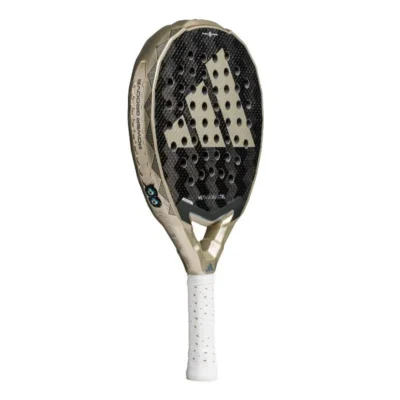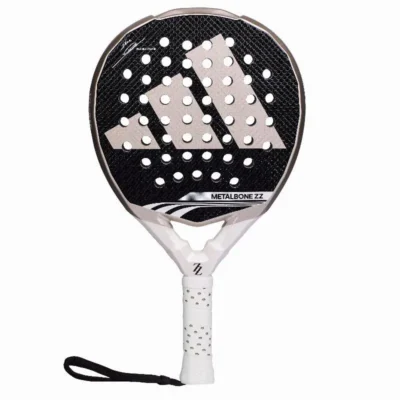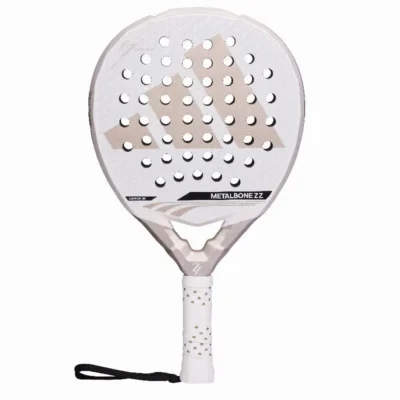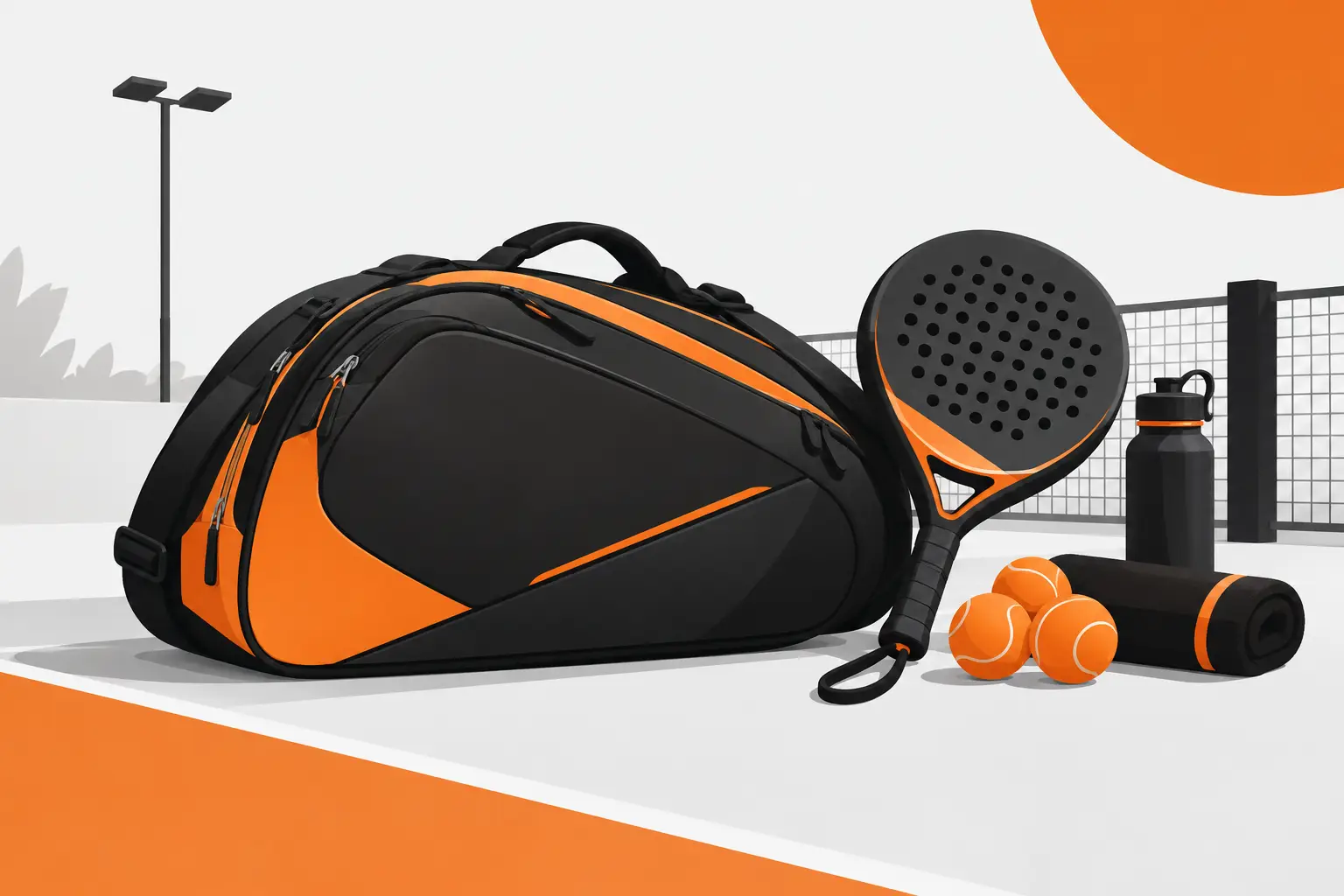
A padel bag earns its place before the first ball is hit. The best padel bag features protect your racket, keep damp kit away from clean clothes and stop you searching for grips or keys five minutes before your match. Whether you play once a week or train several evenings a week, the right bag makes getting to court simpler.
You do not need the biggest model available. You need one that fits the amount of kit you actually carry, the way you travel and the conditions you play in. Here is what to look for before choosing your next padel bag.
Best padel bag features for racket protection
Your racket is the item worth protecting first. It can be damaged by knocks in the car boot, pressure from other equipment or repeated exposure to high temperatures. A purpose-built padel bag gives it a safer place than an ordinary sports holdall.
Thermal-lined racket compartments
A thermal compartment is one of the most useful features for players who leave their bag in a car, travel to outdoor courts or play through changing weather. The insulated lining helps reduce sudden temperature changes around the racket. This matters because heat and cold can affect the materials inside a padel racket over time, particularly the foam and adhesive layers.
Thermal protection is not a guarantee against damage, and it does not mean a racket should be left in a hot car all day. Still, it is a worthwhile upgrade for regular players carrying a premium racket. If you own more than one racket, choose a bag with two protected spaces or a larger compartment that holds both without forcing them together.
A structured, easy-access racket section
Look for a compartment with enough shape and padding to stop rackets shifting around. A full-length zip is practical too. It lets you remove a racket without unpacking the entire bag at the court.
Smaller bags often hold one or two rackets, while larger models can carry several. For most club players, room for two makes sense: one match racket and one spare. Players who test different racket shapes or coach regularly may benefit from more capacity, but extra room usually means extra bulk.
Separate shoe storage keeps the rest of your kit fresh
Padel shoes collect sand, dust and moisture quickly, especially after outdoor sessions. A ventilated shoe compartment keeps that mess away from clothing, towels and grips. It is a simple feature, but one that makes a real difference when you open the bag after a long week.
Ventilation helps shoes dry between sessions, although it will not replace airing them out properly at home. Choose a compartment large enough for your shoe size without crushing the heel or squeezing the rest of the bag. If you use court shoes only for padel, keeping them in their own section also means they are always ready for your next match.
Some compact padel backpacks do not include a dedicated shoe space. That is not necessarily a deal-breaker for occasional players, but it is worth considering if you often go straight from work to the club. In that case, a separate shoe pocket saves you carrying an additional bag.
Capacity should match your routine, not your ambitions
Bag size is where many players get it wrong. A large tournament-style bag looks the part, but it can feel awkward if you only carry one racket, a water bottle and a change of top. On the other hand, a small backpack becomes frustrating when it cannot hold shoes, spare clothing and a towel.
Think about a normal playing day. If you travel light, a padel backpack with a racket sleeve and a few organised pockets may be all you need. It is easier to carry on public transport, fits neatly in a locker and works well for casual sessions.
A medium-sized padel bag suits most regular club players. It typically has room for two rackets, shoes, clothing, balls, grips, water and personal items without becoming oversized. Larger bags are best for competitive players, coaches, families travelling together or anyone spending full days at tournaments.
Do not judge capacity only by the number of rackets advertised. Check whether there is sensible room left once the racket compartments are in use. A bag that claims to hold six rackets may leave limited space for everything else.
Pockets make matchdays easier
Good organisation is not about having as many pockets as possible. It is about having the right pockets in places that make sense. A small lined pocket for your phone, wallet and keys prevents scratches and makes valuables quick to find. An external bottle pocket can also be useful, particularly when you do not want condensation inside the main compartment.
For regular players, these details are worth looking for:
- A secure valuables pocket for keys, phone and wallet.
- A separate space for used clothing or a towel.
- Small accessory pockets for grips, wristbands, overgrips and ball tubes.
- An easy-access pocket for items you need before stepping on court.
Avoid bags with lots of thin, awkward pockets that add little usable space. A few well-sized compartments are more practical than a complicated layout you never use.
Comfort matters when the bag is full
A padel bag can become heavy quickly. Two rackets, shoes, water, clothing and balls add up, especially if you are walking from the station or cycling to the club. Padded, adjustable shoulder straps are therefore more than a nice extra.
Backpack-style straps spread weight across both shoulders and are usually the most comfortable choice for travelling. A carry handle is useful for short distances, while a padded single shoulder strap can suit players who prefer a traditional holdall. The best option depends on how you get to court.
Check the back panel and strap attachment points before buying. Thin straps can dig in when loaded, and weak attachment points tend to show wear first. A bag does not need to be overly heavy or stiff to feel durable, but it should keep its shape when you pick it up.
Materials, zips and weather resistance
Padel bags deal with hard floors, wet car parks and frequent opening and closing. Durable outer fabric and solid zips will usually matter more over time than a flashy design. Reinforced bases are particularly useful because the bottom of the bag takes most of the abuse.
Water-resistant material is helpful for a short walk through rain, but do not confuse it with full waterproofing. If you regularly play outdoors in wet conditions, protect your electronics and spare clothes in separate pouches inside the bag. Thermal compartments and water-resistant fabric offer sensible protection, but neither replaces basic care for your equipment.
Try the zips mentally as part of your routine. Can you open the main section with one hand? Are the pulls large enough to use when you are in a hurry? Small details like this determine whether a bag stays convenient after months of use.
Style is personal, but visibility has value
There is nothing wrong with choosing a bag that matches your racket or favourite brand. Padel kit should feel like your kit. However, it is still worth putting function ahead of colour or logo size.
A darker bag hides court dust and marks well, while a lighter interior makes it easier to spot small accessories. Bright details can help identify your bag among similar models at a busy club. If you share a bag with a partner or child, choose a neutral, adaptable design with enough room for both sets of essentials.
Choose the bag around the equipment you use now
It is easy to buy for a future version of your game: more rackets, more tournaments and longer sessions. For most players, it is smarter to buy for the routine they have today, with just enough room to grow. A quality medium bag with thermal racket protection, shoe storage, useful pockets and comfortable straps covers a lot of ground.
At 7padel, the simplest way to narrow the choice is to start with your racket count and travel routine. Then decide whether thermal protection and a shoe compartment are must-haves or useful extras. Shop smart, pack what you need and let your bag keep your focus where it belongs: on the next point.