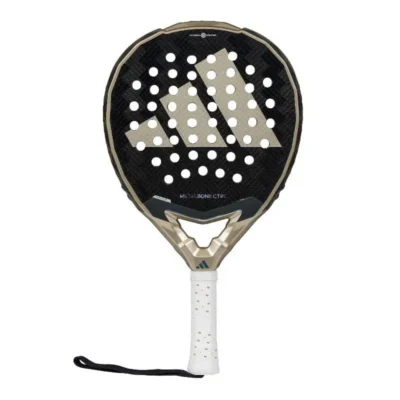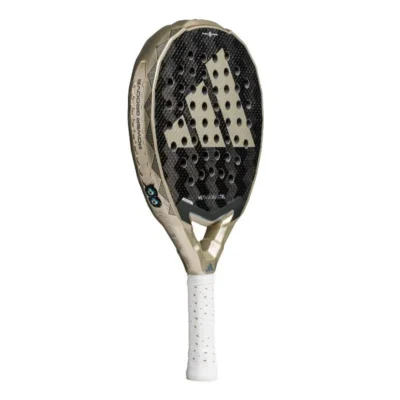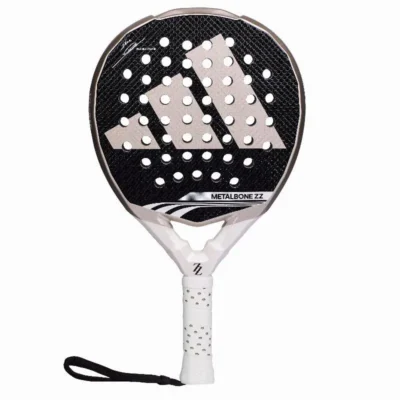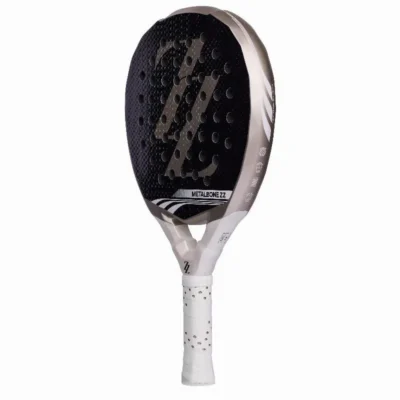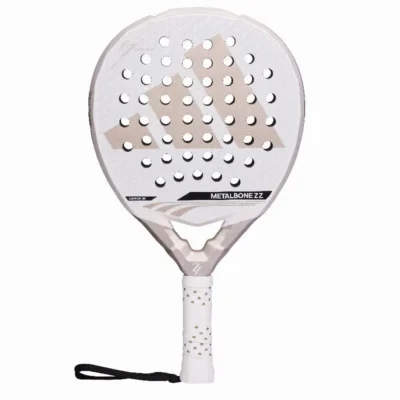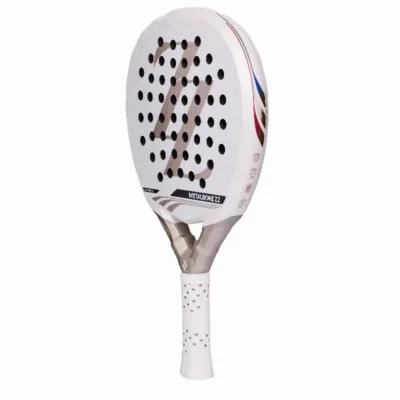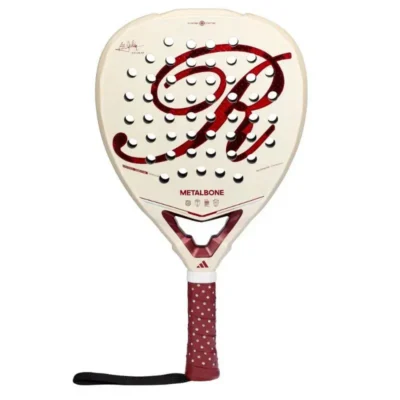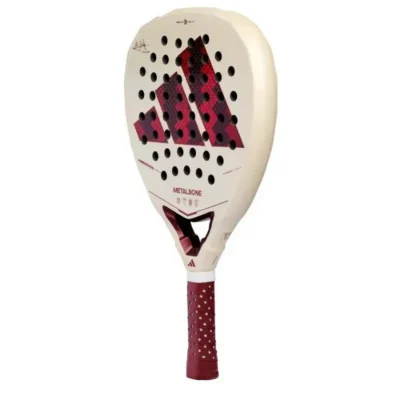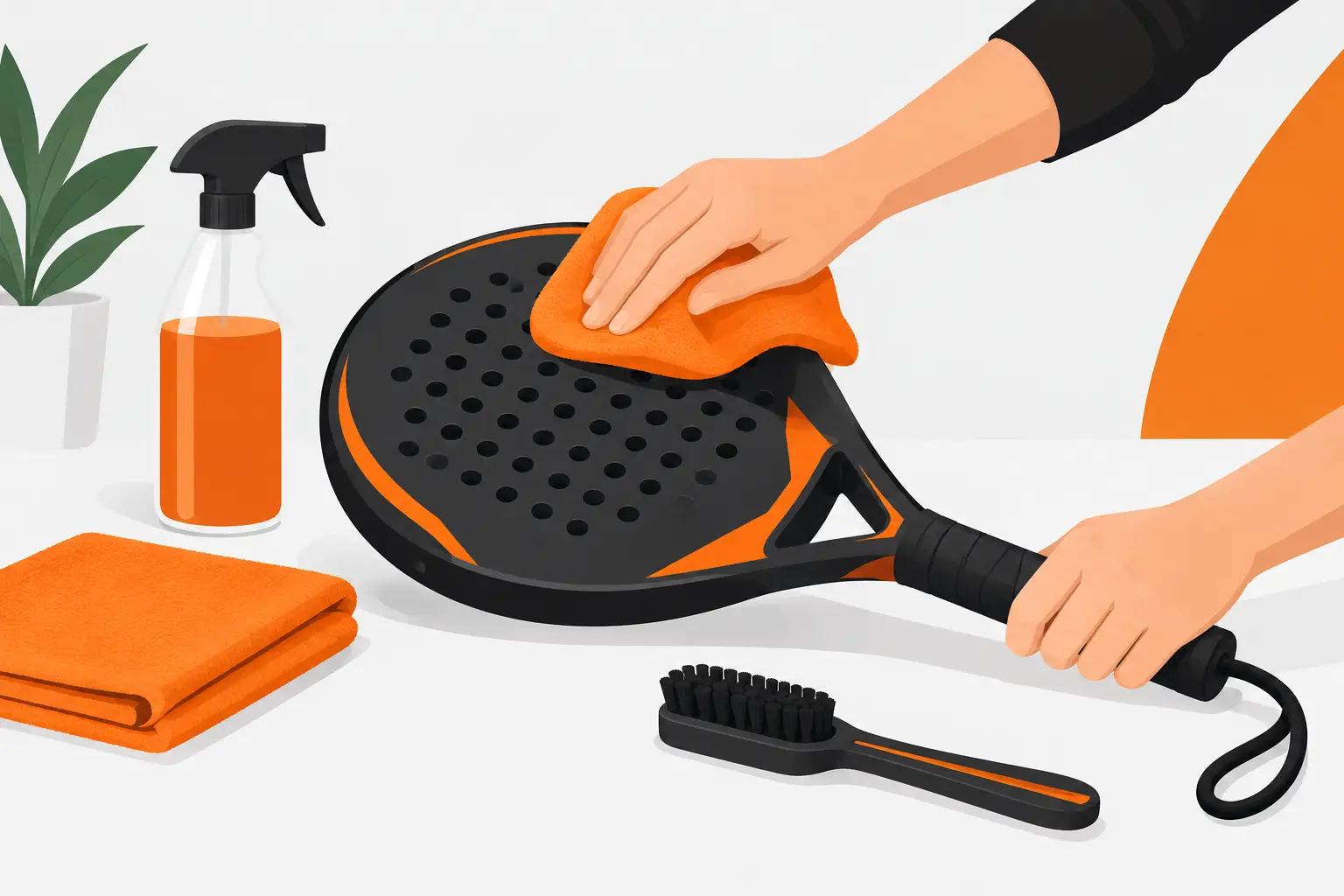
A racket covered in ball marks, sand and sweaty fingerprints can look ready for replacement long before it actually is. The good news is that you can clean padel racket safely in a few minutes, using gentle products you probably already have at home. The key is not making it look brand new at any cost. It is removing grime without soaking the grip, scratching the face or forcing moisture into small cracks around the frame.
Why gentle cleaning matters
A padel racket is not a solid plastic bat. Its face, frame, paint finish, protective edging and grip are made from different materials, and they do not react well to the same treatment. Carbon and fibreglass faces are durable for play, but harsh cleaners and abrasive cloths can dull the finish or wear away printed graphics. Water can also cause problems when it reaches damaged paint, edge tape or the handle.
For players who use a rough court regularly, dust and sand are usually the biggest issue. On indoor courts, ball marks and sweat tend to build up instead. Neither requires aggressive cleaning. In fact, scrubbing harder is one of the quickest ways to turn a cosmetic mark into a damaged surface.
A clean racket also makes it easier to spot real wear. Once dirt is gone, you can check for hairline cracks, loose bumper tape, chips near the edge and a grip that is ready to change. That is useful whether you are playing with a beginner-friendly control racket or a high-performance power model.
What you need to clean a padel racket safely
Keep the kit simple. You need a soft microfibre cloth, lukewarm water, a small amount of mild washing-up liquid and a dry towel. For stubborn marks, use a second clean microfibre cloth rather than reaching for a stronger chemical product.
Avoid these common shortcuts:
- Household sprays containing bleach, ammonia or alcohol
- Abrasive sponges, scouring pads and stiff brushes
- Pressure washers, running taps and soaking the racket in a sink
- Acetone, nail varnish remover or solvent-based cleaners
- Heat from a radiator, hairdryer or direct sunlight
Some players use a tiny amount of diluted mild soap without any issue, while others prefer plain water only. Both approaches can work. If your racket has a matt finish, textured face or printed graphics, start with water and only add soap if the mark remains.
Step-by-step: how to clean your padel racket
Start with a dry wipe
Before adding moisture, wipe the entire racket with a dry microfibre cloth. Work across the face, frame and edge guard with light pressure. This removes loose court dust and grit that could otherwise scratch the surface once you begin wiping with a damp cloth.
Pay attention to the holes. Dust often collects around them, particularly after outdoor matches. Do not push anything through the holes or use a pointed object to dislodge dirt. A gentle wipe over both sides is normally enough.
Use a barely damp cloth
Fill a bowl with lukewarm water and add only a drop of mild washing-up liquid if needed. Dip the cloth, then wring it out thoroughly. It should feel damp, not wet. If water can be squeezed from it, it is too wet for the job.
Wipe the face in smooth, light strokes. There is no need to scrub in circles or press down on ball marks. Move from the centre towards the frame, then wipe the edge guard and frame separately. Keep water away from the base of the handle and from any visible chips or cracks.
For a mark that does not lift immediately, hold the damp cloth against it for a few seconds, then wipe again. Repeat once or twice. If it still remains, accept that it may be a paint scuff rather than dirt. Trying to remove a permanent scuff with stronger chemicals is not worth the risk.
Treat the grip differently
The grip needs less water than any other part of the racket. Sweat, overgrip residue and dust are normal, but a wet handle can make the grip slippery and may affect the material underneath.
If you use an overgrip, the simplest answer is usually to replace it when it feels smooth, dirty or loses tack. Overgrips are designed to be changed. Wiping them can temporarily improve their appearance, but it rarely restores the feel you want during a close match.
If you play without an overgrip, wipe the original grip with a nearly dry cloth and let it air-dry fully. Do not spray cleaner directly onto the handle. If there is a strong smell or visible deterioration, fitting a fresh overgrip is a better solution than adding more moisture.
Dry it properly
Use a clean, dry towel or microfibre cloth to remove any remaining moisture from the face and frame. Then leave the racket indoors at room temperature for at least 30 minutes before putting it back in its cover or padel bag.
Never dry it on a radiator, in a hot car or under a hairdryer. Sudden heat is not kind to composite materials, adhesive layers or grips. Air-drying takes a little longer, but it is the safe option.
Cleaning ball marks, mud and sticky residue
Different marks need slightly different handling. Fresh clay or mud should first be allowed to dry, then brushed away with a soft dry cloth. Rubbing wet mud around the face can spread fine grit and create tiny scratches.
Black ball marks usually lift with a damp microfibre cloth and patience. If the face is heavily textured, clean along the texture with minimal pressure. Avoid rubbing hard into the rough finish, as that texture helps create spin and should not be worn down unnecessarily.
Sticky residue from old protective tape can be more difficult. Start by peeling off as much as possible slowly with your fingers. Then use a barely damp cloth. Do not use solvent products on the frame unless the racket manufacturer specifically confirms they are safe. Edge protectors are inexpensive compared with a premium racket, so if the tape is worn or untidy, replacing it is normally the smart move.
What not to do after a rainy match
A damp court changes the routine. If your racket gets wet during play, dry it as soon as possible with a towel, especially around the edge guard and handle. Once home, remove it from your bag rather than leaving it sealed in with wet clothing, balls and shoes.
The same applies to a racket that has been left in a cold car or exposed to heavy humidity. Bring it indoors and allow it to return to room temperature naturally before cleaning. Do not go straight from cold, wet conditions to direct heat.
If you notice bubbling paint, a soft area, rattling inside the frame or a crack that seems to grow after a wet session, stop using the racket until you have inspected it properly. Cleaning will not fix structural damage, and continuing to play can make it worse.
Build a simple care routine
You do not need to clean your racket after every single game. A quick dry wipe after dusty outdoor sessions and a gentle damp clean every few weeks is enough for most players. Clean it sooner if it has been exposed to mud, rain or spilled sports drink.
Storage matters just as much as cleaning. Keep the racket in a cover or bag when travelling, but do not store it wet. Avoid leaving it for long periods in extreme heat or cold, especially in the boot of a car. A little care protects the racket’s finish, grip and playability far better than any deep clean.
Your racket does not need to look untouched to perform well. Keep it dry, clean it gently and replace the grip or edge protection when needed. That gives you a better feel in hand and lets you focus on the next point, not the condition of your equipment.