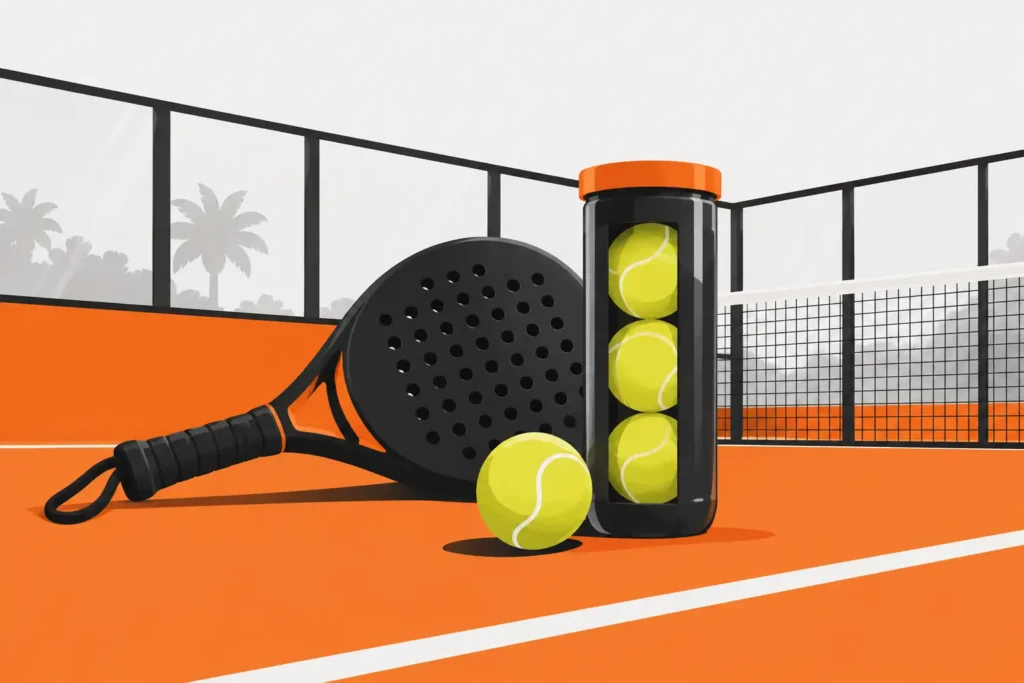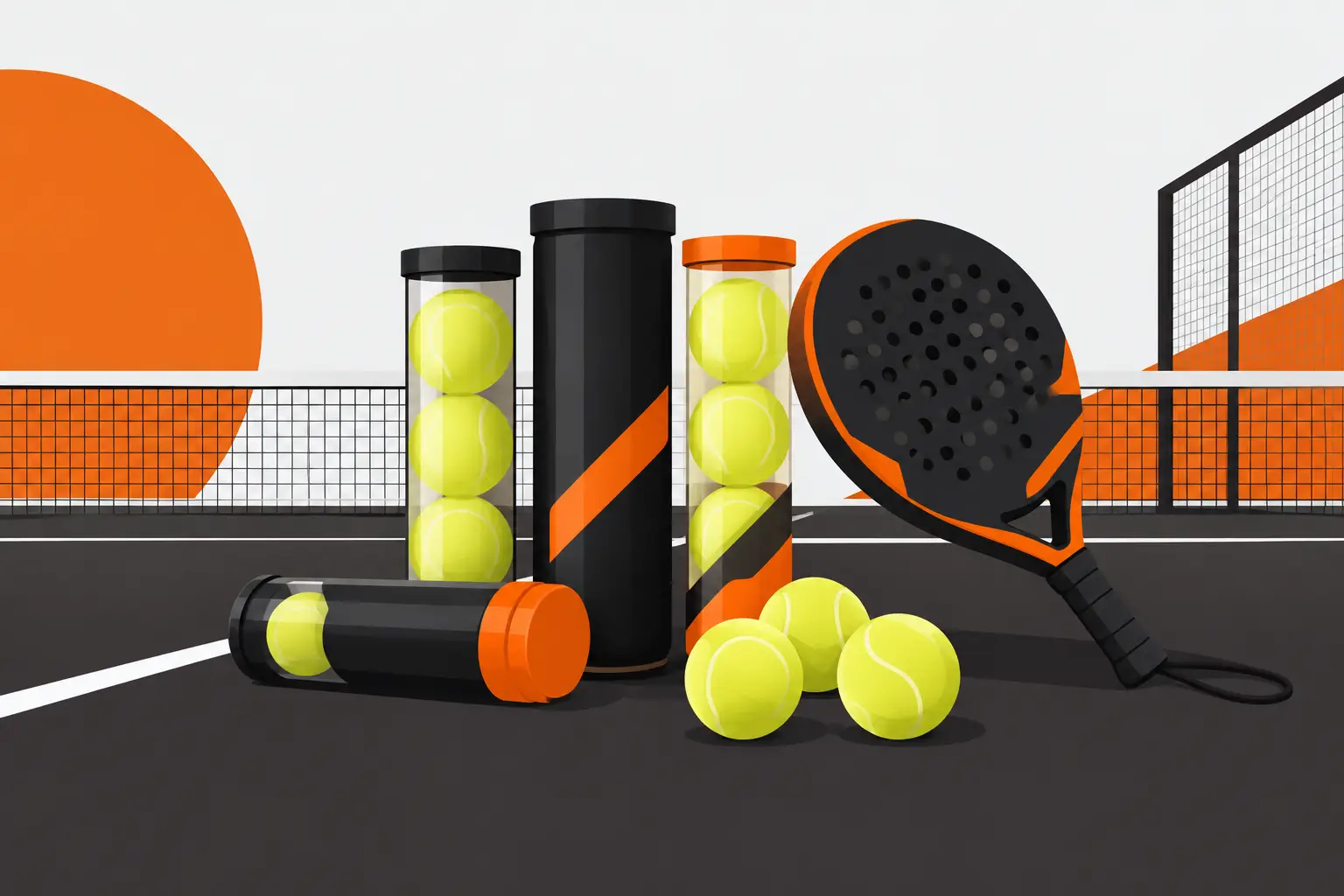
A fresh ball changes more than the first few rallies. It affects bounce, speed, control and how confidently you can play your shots. The best padel ball packs are not simply the biggest boxes or the cheapest tubes. They are the packs that give you the right number of quality balls for how often you play.
If you play once a week with friends, a giant bulk box can leave you with balls losing pressure before you reach the end. If you run regular club sessions or play several times a week, buying single tubes soon becomes expensive and inconvenient. The smart choice sits between ball quality, pack size, storage and cost per match.
What makes a padel ball pack worth buying?
Padel balls look similar at first glance, but they do not all feel the same on court. They are pressurised balls, designed to offer a predictable bounce and lively response. Over time, pressure drops, the felt becomes smoother and the ball feels slower. That is normal, even if the ball has only been used for a few matches.
A good pack should come from a recognised padel brand, be sealed properly and match the standard of play you want. Premium competition balls tend to feel faster and more consistent, while durable training-focused balls can be the better-value choice for regular practice. Neither is automatically better. It depends on whether you want maximum match feel or more hours from each tube.
The price on the box matters, but the cost per usable session matters more. A bargain pack is not great value if the balls go flat quickly or feel inconsistent after one hard match. Equally, tournament-level balls are not always necessary for a relaxed weekly game.
Choosing the best padel ball packs by how often you play
Occasional players: start with three-ball tubes
For players getting on court once or twice a month, individual three-ball tubes are usually the sensible option. You open a fresh tube before a match, enjoy a consistent feel and avoid storing too many unused balls at home.
Buying a small multi-pack of tubes can still save money without creating waste. Look for packs containing six or nine balls if you want a couple of fresh match options ready to go. This is also a simple way for beginners to test different brands and find the ball feel they prefer.
Weekly players: buy enough for a month or two
If padel is part of your weekly routine, packs of 12 or 24 balls often offer the best balance. They lower the price per ball while remaining manageable to store and use before performance drops.
A practical rule is to keep one unopened tube in reserve. There is nothing worse than organising a game, opening the bag and realising your current balls are soft, fuzzy and past their best. For a regular group of four, a 12-ball pack can comfortably cover several matches, depending on pace, court conditions and how selective you are about replacing balls.
Frequent players and clubs: bulk packs make sense
Players training two or three times a week, coaches and clubs should consider 24-ball, 36-ball or larger cases. The savings per tube can be meaningful over a season, especially when balls are used across drills, social sessions and competitive matches.
Bulk buying works best when the balls will move quickly. Pressurised balls gradually lose liveliness even while sealed, so do not buy a huge quantity simply because the unit price looks attractive. A busy club or coaching programme will get through stock fast. A single player may be better off with a smaller case and fresher balls.
Match balls or training balls?
This is where many players overspend. Match balls are built to deliver a responsive, reliable feel when points matter. They are a strong choice for league fixtures, tournaments and players who want every organised game to feel sharp from the first serve.
Training balls are often designed with durability in mind. They can be ideal for basket drills, coaching, repeated volley practice and longer sessions where you need plenty of balls in play. Their response may be slightly less lively than a fresh premium match ball, but that can be a worthwhile trade-off when you are hitting hundreds of shots.
For most regular players, the strongest set-up is simple: use a quality match tube for games and keep older balls for practice. Once a ball is no longer suitable for competitive points, it can still be useful for serving drills, bandeja repetitions or practising against a wall. Just do not expect it to behave like a fresh ball.
How to compare padel ball packs properly
When deciding between packs, compare like for like. Start by checking how many balls are included and divide the price by the total number of balls. Then consider the number of sealed tubes. Twelve balls supplied in four separate tubes will stay fresh longer than 12 balls packed together without proper individual sealing.
Also consider your usual playing conditions. Colder weather can make balls feel slower and less reactive, while warm conditions can make the game feel quicker. Indoor courts usually give a more consistent experience than damp or cold outdoor courts. If you often play in cooler conditions, a lively, premium ball may feel more enjoyable than a heavy, slow-feeling alternative.
Your own level matters too. Beginners do not need the fastest ball available. A consistent, durable option can make it easier to develop timing and control. Intermediate players often notice the difference a fresh, quality ball makes to volleys, lobs and glass shots. Advanced players may prefer a quicker ball with a crisp response, particularly for competitive play where precision at speed is part of the challenge.
When should you replace padel balls?
There is no perfect number of games because court surface, weather, playing style and standard all affect ball life. A hard-hitting match with four advanced players can wear a tube out far faster than a relaxed social session.
Replace your balls when the bounce becomes noticeably low, the pace drops or the felt looks very worn. You may also notice that overheads require more effort, the ball sits up less after the glass and rallies lose their normal rhythm. If players are disagreeing about whether a ball bounced properly, it is probably time for a fresh tube.
For competitive matches, many players use new balls every match. For friendly padel, a tube may last two to four sessions if it still feels lively and consistent. Keep used balls separately from fresh ones so you do not accidentally open a new tube when perfectly serviceable practice balls are available.
Storage tips that protect your investment
Keep unopened padel ball packs indoors, away from direct sunlight, radiators and big temperature swings. A cool, dry cupboard is far better than a car boot or damp garage. Heat and poor storage can shorten the useful life of pressurised balls before they ever reach the court.
After a match, return used balls to their tube if possible and close it properly. A pressurised ball saver can help some players extend the life of opened balls, especially if they play frequently, although it will not restore balls that are already worn out. Think of it as a way to preserve decent balls for longer, not a replacement for fresh match balls.
Best padel ball packs: the practical choice
The best buying decision usually comes down to one question: how quickly will you use them? Occasional players should choose smaller multi-packs of sealed tubes. Regular players get better value from 12 or 24 balls. Coaches, clubs and players with several weekly sessions can make bulk cases work hard.
Choose recognised padel brands, buy enough fresh tubes for your routine and avoid treating old balls as if they still offer match-level performance. A well-chosen ball pack keeps every session more consistent, makes your equipment budget go further and lets you focus on the point rather than the bounce. Shop smart, open fresh when it counts and enjoy the difference from the first rally.