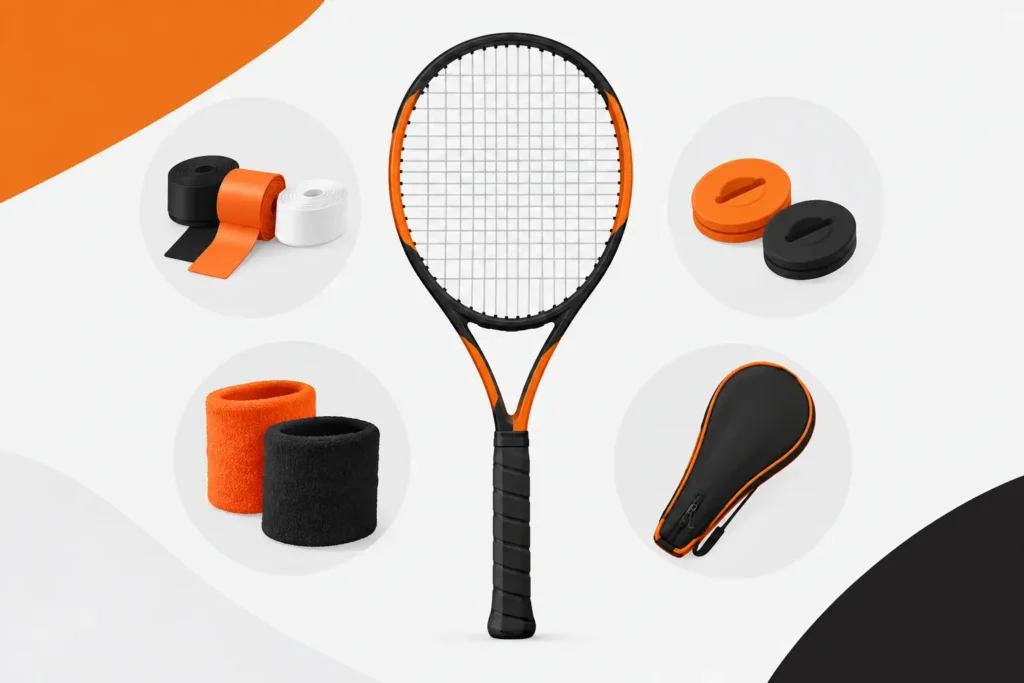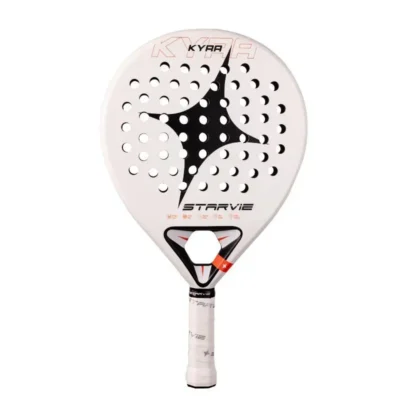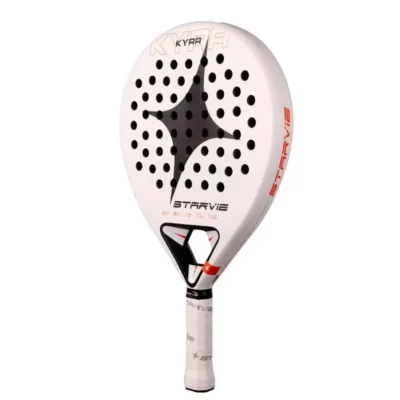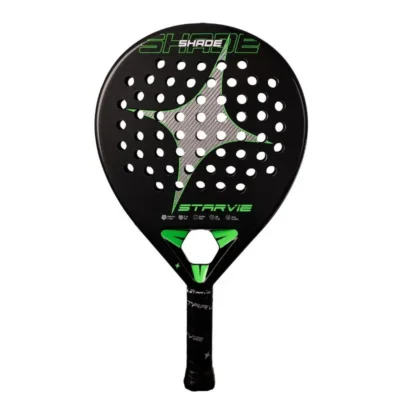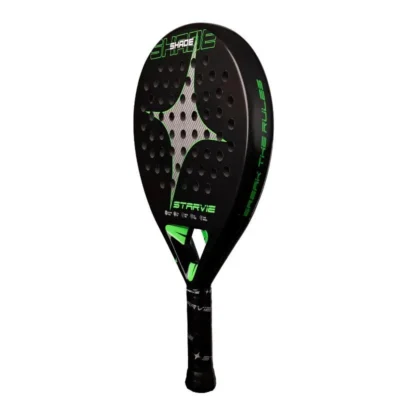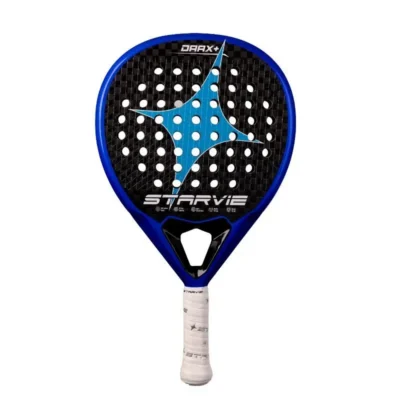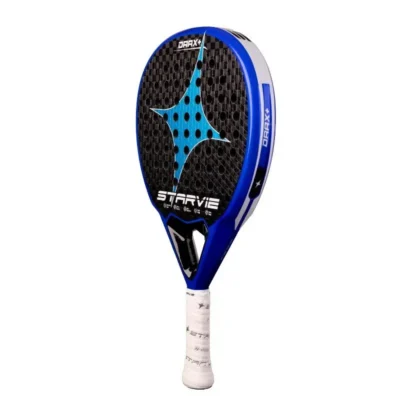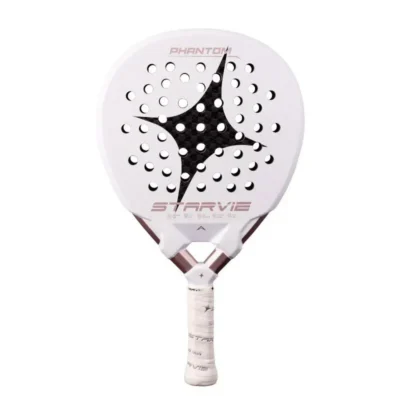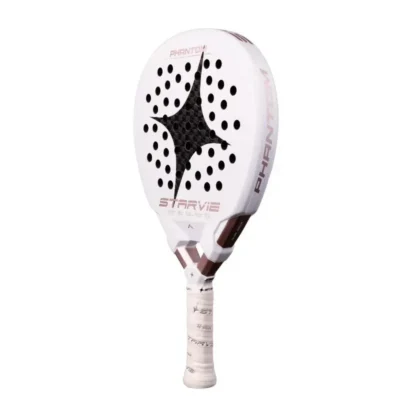
A grip that slips on the deciding point is rarely a racket problem. More often, it is an old, smooth or badly fitted overgrip. Learning to apply padel overgrip correctly takes only a few minutes, but it gives you a steadier hold, better comfort and more confidence when you accelerate through the ball.
An overgrip sits on top of your racket’s original grip. It absorbs moisture, adds a little cushioning and lets you fine-tune the handle thickness without changing rackets. Whether you prefer a control-focused racket or a powerful diamond shape, a fresh overgrip helps your hand stay connected to it.
What you need before fitting an overgrip
You only need a new overgrip, scissors and your padel racket. Most overgrips arrive with a small adhesive tab at one end and finishing tape at the other. Take a moment to identify both before you start, as the adhesive end belongs at the butt cap.
If your existing overgrip is dirty, torn or sliding around, remove it completely. Unwind it from the top down, then check the original grip underneath. If that base grip is damaged or loose, replace it before adding a new overgrip. Wrapping over a poor base usually creates lumps and an unstable handle.
A clean, dry handle matters too. Wipe away dust and moisture, then let it dry. This is particularly worthwhile if you play indoors in warm conditions or tend to sweat heavily.
How to apply padel overgrip correctly, step by step
Start with the racket face pointing forwards and the handle facing up. Keep the grip relaxed while you work. You do not need to pull the material as hard as possible – controlled tension gives the best result.
Start at the butt cap
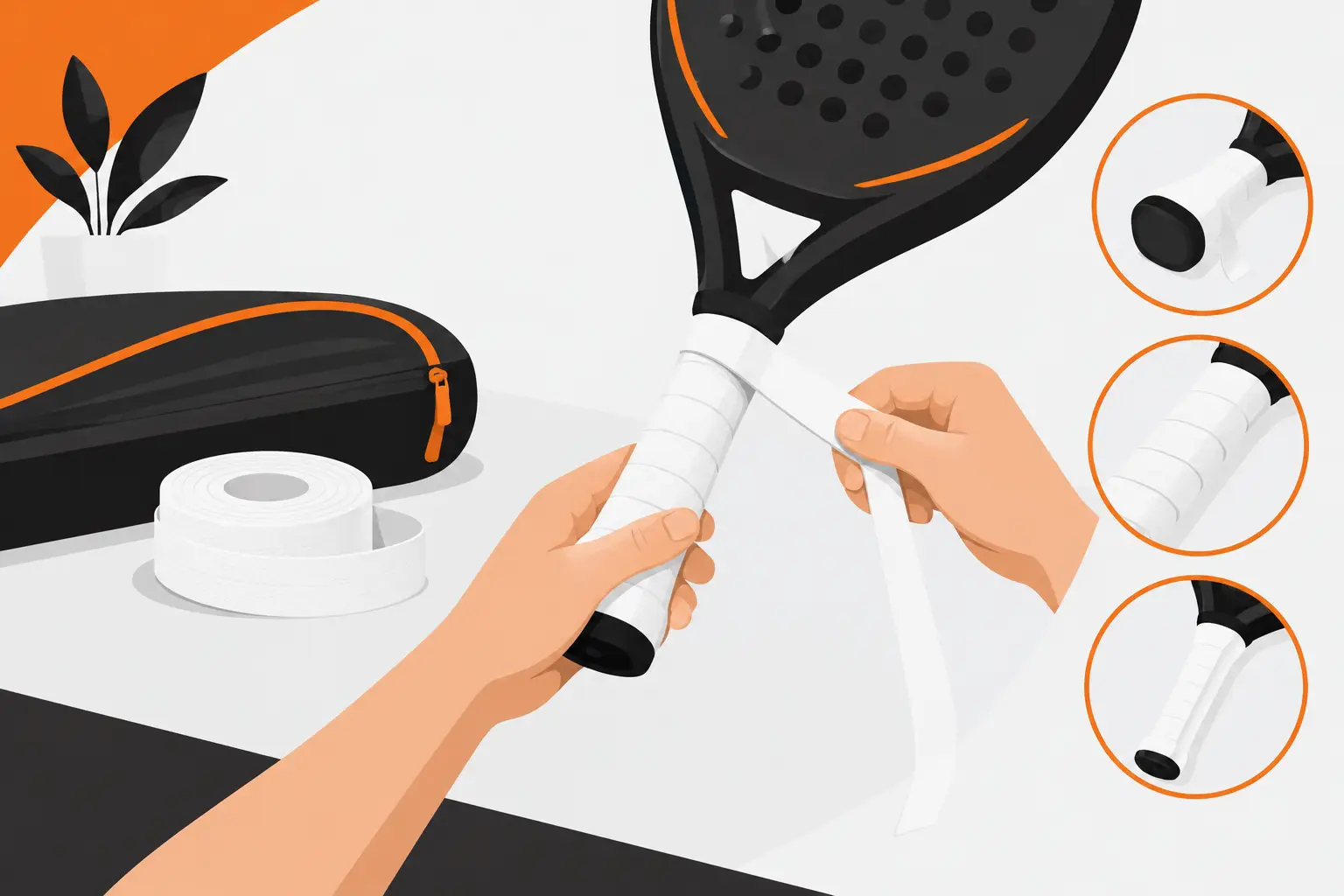
Remove the protective film from the adhesive tab and stick it firmly around the bottom edge of the handle, close to the butt cap. The narrow, angled end should point upwards, ready to create the first clean turn.
Make one full wrap around the base. This anchors the grip and provides a neat, slightly thicker section where your little finger sits. Make sure the material covers the edge of the butt cap without hanging below it.
Wrap upwards with even overlap
Work your way towards the top of the handle in a spiral. Each new turn should overlap the previous one by roughly 3 to 5 mm. The exact amount depends on the length of the grip and how thick you want the handle to feel.
Less overlap creates a thinner handle and makes the overgrip go further. More overlap gives a fuller, softer hold, but can leave you short of material before reaching the top. For most players, a consistent small overlap is the safest choice.
Pull gently as you wrap, keeping enough tension to remove slack but not enough to stretch the grip too thin. If you pull aggressively, the overgrip may feel hard, lose its tackiness sooner and create an uneven finish. Keep each turn flat and smooth away any wrinkles with your thumb as you go.
The wrapping direction is partly personal preference. Choose the direction that leaves the overlap feeling smooth under your fingers when you hold the racket in your normal playing grip. If the edge catches or feels raised on forehands and backhands, unwrap and start again in the opposite direction. It is a small adjustment that can make a noticeable difference.
Finish at the top of the handle
When you reach the top, leave enough material to cover the final section neatly. Pull the overgrip across the handle, mark where it meets the top edge and cut it at an angle. An angled cut follows the final wrap more naturally than a straight one.
Secure the end with the supplied finishing tape. Wrap the tape tightly enough that the overgrip cannot lift during play, but do not extend it far onto the racket shaft. Press it down firmly all the way around.
Finally, take your usual grip and make a few shadow swings. The handle should feel secure, even and comfortable, with no loose areas or sharp raised edges.
How thick should your padel grip feel?
There is no single perfect grip thickness. It depends on your hand size, playing style and what feels natural during long rallies. A handle that is too thin can make you squeeze too hard, while one that is too thick may reduce wrist freedom for volleys, bandejas and spin.
One overgrip is a good starting point for most players. If the handle still feels too narrow, add a second overgrip rather than wrapping one grip with excessive overlap. This keeps the surface more even and gives a more predictable feel.
Players who favour control often like a slightly fuller handle because it can feel stable on blocks, volleys and defensive shots. Players who rely on fast wrist action may prefer a thinner build. Neither option is automatically better. Your comfort, not a fixed rule, should decide it.
Common mistakes that make an overgrip feel wrong
The most common error is inconsistent overlap. If one section has a wide overlap and the next has almost none, the handle develops ridges that you will feel every time you change grip. Keep your eyes on the previous edge as you wrap rather than trying to finish quickly.
Another mistake is starting too far above the butt cap. This leaves the bottom of the handle exposed and makes the first section more likely to move. Start low, anchor it properly and build upwards.
Some players also wrap directly over a damp grip after a match. The moisture becomes trapped underneath and can make the handle smell, slip or deteriorate faster. Let the racket dry before fitting a fresh overgrip.
Avoid using a worn overgrip for too long simply because it is still intact. A grip can look acceptable but lose the tack or absorption that keeps it reliable during play.
When should you replace your padel overgrip?
Replace it when it feels slippery, shiny, compressed or unpleasant in the hand. For frequent players, that may mean every few sessions. If you play once a week and do not sweat much, one may last longer. Humid courts, warm weather and high-intensity matches will shorten its life.
Keep a spare overgrip in your padel bag. It is a low-cost piece of kit that can rescue a match when your handle becomes slick halfway through. For players who want a softer, drier or tackier feel, trying a few different styles is worthwhile – the right surface can change how secure your racket feels without changing the racket itself.
A neat overgrip will not replace sound technique, but it removes one distraction from your game. Fit one before your next match, trust the feel in your hand and focus on the next ball instead of fighting the handle.