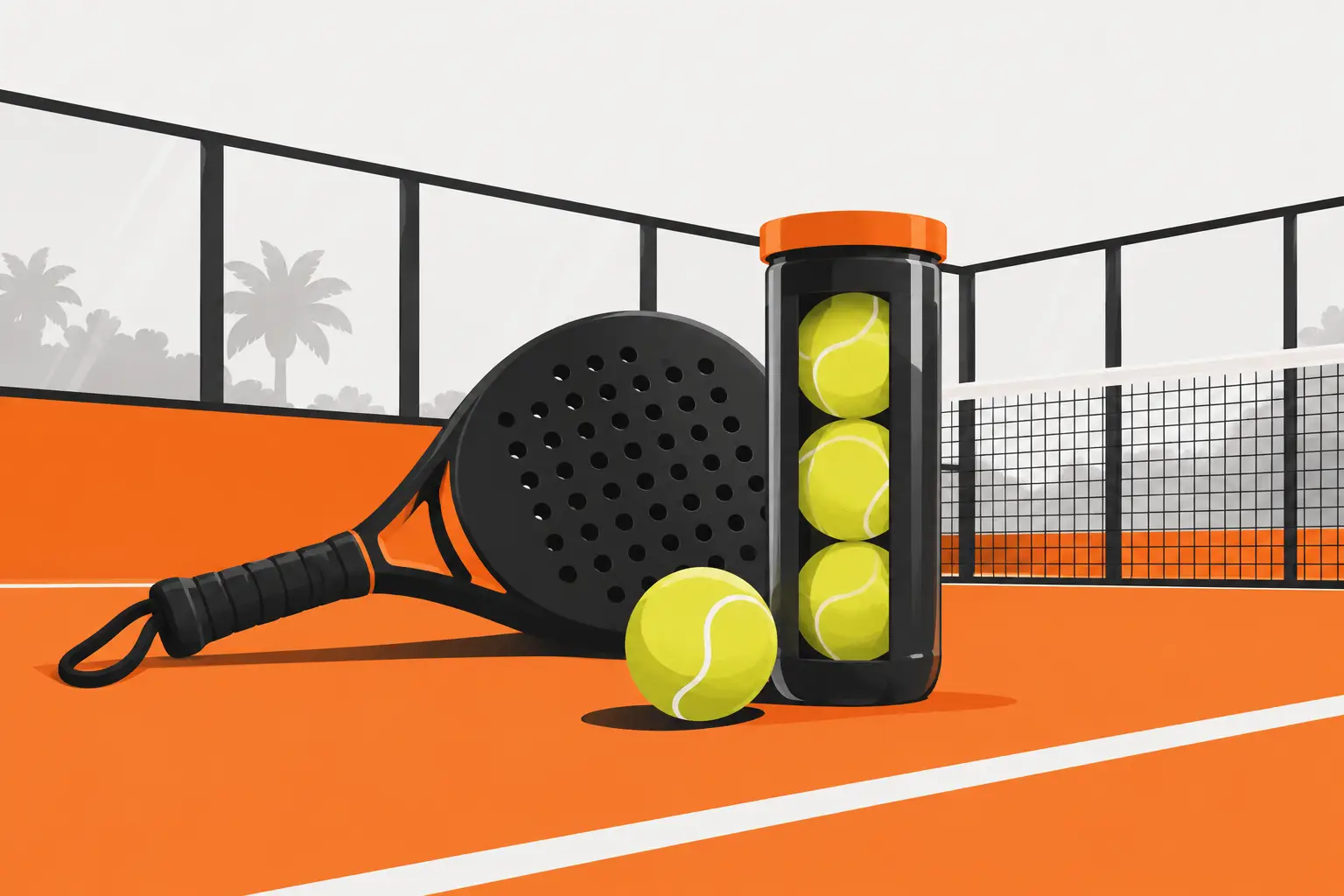
A fresh tube can make your game feel sharper from the first serve. The bounce is more predictable, volleys come off the racket cleanly and rallies have the pace you expect. That is why padel ball buying is worth getting right. The best choice is not always the fastest ball or the most expensive tube – it is the ball that suits how often you play, the conditions on court and what you want from your matches.
Start Padel Ball Buying With Your Playing Routine
Most players do not need to overthink ball choice, but they should avoid treating every tube as identical. Padel balls differ mainly in speed, pressure retention and felt durability. Those differences become obvious when you play regularly.
If you play once a week with friends, a dependable all-round ball is usually the smart buy. Look for a recognised brand and a tube size that matches your group. Fresh balls will give you a lively, enjoyable game without pushing you towards a premium option you will not fully use.
If you train two or three times a week, durability matters more. A cheaper tube can seem like good value, but it is less of a saving if the balls lose their bounce after one hard session. Choose balls designed to hold pressure well and consider buying multiple tubes at once, particularly if you share the cost with your regular playing partners.
Competitive players often prefer a faster, more responsive ball. It can reward clean technique and make attacking shots more effective, but there is a trade-off. Faster balls can make control harder when the court is cold, the glass is damp or your timing is not quite there. The right ball should help your game, not turn every rally into a race.
Choose Between Speed and Control
Ball speed is one of the first things you will notice, even if the packaging does not make it the main feature. A quicker ball tends to bounce higher and travel through the air with more pace. It suits players who like an aggressive game, take the net early and use bandejas, viboras and smashes to put opponents under pressure.
A slower ball offers a little more time on the shot. For beginners and improving players, that extra margin can make rallies more consistent and help build confidence at the net. It can also be a sensible option on fast indoor courts, where a lively ball may otherwise feel difficult to control.
There is no permanent right answer. Many intermediate players enjoy a medium-speed ball because it works across different court conditions and playing styles. If you are unsure, this is the safest place to start. Once you have played a few matches with the same model, you will have a clearer sense of whether you want more pace or a calmer response.
Court Temperature Changes the Feel
The same ball can play very differently in January and July. Cold weather reduces pressure and makes balls feel heavier and slower. Warm conditions make them livelier. If you play outdoors through the British winter, do not be surprised if a normally quick ball feels subdued during the first set.
Indoor padel is generally more consistent, but court temperature still matters. Store unopened tubes away from extreme heat and cold, and avoid leaving them in the boot of a car for days. It is a small habit that protects the pressure before you even open the tube.
Why Fresh Balls Matter More Than You Think
Padel balls lose pressure gradually from the moment a tube is opened. The felt also picks up moisture, dust and fibres from the court. As that happens, the bounce drops, the ball travels more slowly and shots can become less predictable.
For a casual match, a used ball is not automatically a bad ball. If everyone is happy with a slower game, you can continue playing with it. But when you are practising serves, preparing for a league fixture or simply want the proper feel of padel, open a fresh tube.
A practical rule is to use new balls for important matches and keep lightly used balls for warm-ups, social sessions or basket drills. Once a ball becomes noticeably soft, fluffy or uneven in bounce, it is time to replace it. Playing with tired balls can encourage players to overhit, which is not ideal for technique or for your arm.
Can a Ball Pressuriser Help?
A ball pressuriser can extend the useful life of balls by helping them retain pressure between sessions. It is a worthwhile accessory for frequent players who use several balls each week. It will not restore a heavily worn ball to factory-fresh condition, because felt wear is still felt wear, but it can delay that flat, dead feeling.
For occasional players, buying a fresh tube when needed is often simpler. Think about your routine before adding another piece of kit to the bag.
Tube Size: Buy for the Way You Play
Padel balls are commonly sold in tubes of three, with some options available in larger packs. A three-ball tube is ideal for one match, especially if you want fresh balls every time you play. Larger packs make more sense for clubs, coaches, teams or groups who get through balls quickly.
Buying several tubes can reduce the cost per ball, but only if you will use them while they are still in good condition. Unopened tubes hold pressure far better than opened ones, so stock up sensibly rather than filling a cupboard for the sake of a small saving.
Before you add to your basket, check four simple points:
- How often you play and whether one tube will cover a week or a month.
- Whether you prefer a faster ball, a control-focused feel or an all-round option.
- If your usual court is indoor, outdoor, warm, cold, quick or slow.
- Whether you need balls for match play, coaching, social games or all three.
That quick check prevents the most common mistake: buying on price alone, then finding the balls do not suit the sessions you actually play.
Recognised Brands Bring Useful Consistency
Well-known padel brands invest in consistent bounce, durable felt and reliable pressure. That matters because you want each ball in the tube to behave similarly. When one ball feels noticeably different, it disrupts rhythm and makes it harder to judge your shots.
Brands such as Adidas, Babolat, Bullpadel, Head, Nox and Wilson all offer quality padel balls, with options aimed at different speeds and levels of play. The best brand for you may simply be the one whose feel you enjoy and can buy at a sensible price. Loyalty is fine, but trying another trusted option is useful if your regular ball is unavailable or no longer suits your game.
Do not choose based on packaging alone. Read whether the ball is positioned for speed, control, durability or competition, then match that to your own needs. A premium competition ball can be a great choice for league nights, while a durable training ball may offer better value for weekly practice.
Avoid Confusing Tennis Balls With Padel Balls
Tennis and padel balls look similar, but they are not designed to play the same way. Padel balls are made for the enclosed court, walls and typical pace of the sport. Using tennis balls can change the bounce and speed enough to make rallies feel wrong, particularly for newer players learning their timing.
Always buy balls intended specifically for padel. They will give you the response the game is designed around and make your racket feel more predictable. It is one of the easiest ways to improve the quality of a session without changing anything about your technique.
Get More From Every Tube
Open your tube just before you play, not the night before. Keep used balls in a pressuriser or airtight storage solution where possible, and separate newer balls from older practice balls in your bag. If you are sharing a court, agree before the match whether you are opening fresh balls – it saves the familiar debate at the net.
At 7padel, the aim is simple: make it easier to shop smart and play better. Choose a ball that fits your court, your level and your playing schedule, then let the next match tell you whether you want a little more pace or a little more control. Fresh, suitable balls will not replace practice, but they give every good shot the chance to feel exactly as it should.