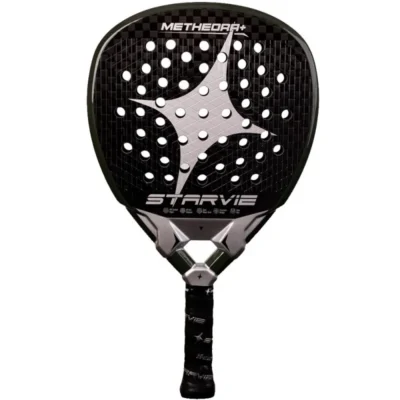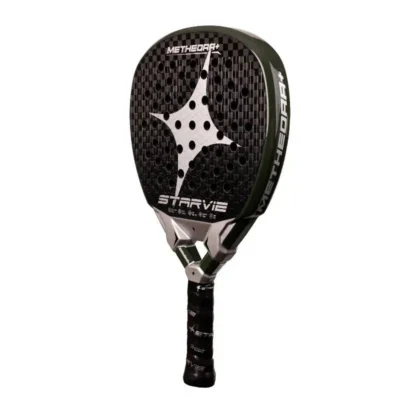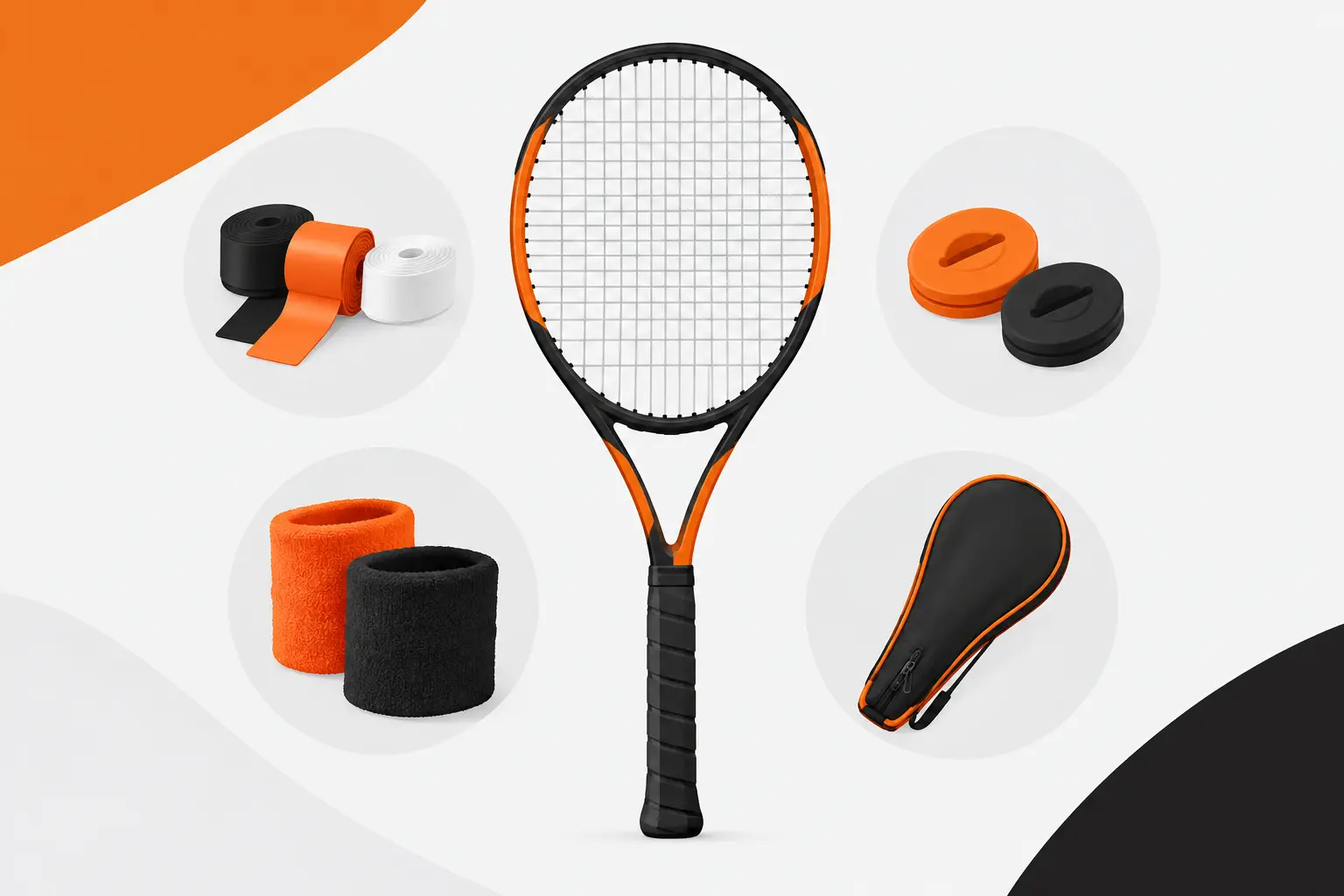
A padel racket can feel perfect for ten minutes and uncomfortable by the end of a long match. Often, the issue is not the racket itself. A slippery handle, a grip that is too thin or extra head weight from a protector can quickly change the way it feels in your hand. If you are asking what accessories improve racket comfort, start with the parts that affect your grip, shock feel and confidence on every shot.
The right accessories should make your racket feel more secure and natural, not turn it into a different racket. That matters whether you are buying your first round racket or fine-tuning an advanced teardrop or diamond model.
What accessories improve racket comfort?
For most players, a quality overgrip makes the biggest immediate difference. From there, the best choice depends on why your racket feels uncomfortable. Do you lose the handle when your hands sweat? Does the impact feel harsh? Does the racket feel too head-heavy after fitting protection? Match the accessory to that problem rather than adding everything at once.
Comfort is personal. A player with smaller hands may prefer a slimmer handle and a tacky overgrip, while someone with larger hands often benefits from building up the grip slightly. The aim is a relaxed hold. If you have to squeeze the handle tightly to stop it twisting, fatigue will arrive sooner and your touch at the net can suffer.
Overgrips: the quickest comfort upgrade
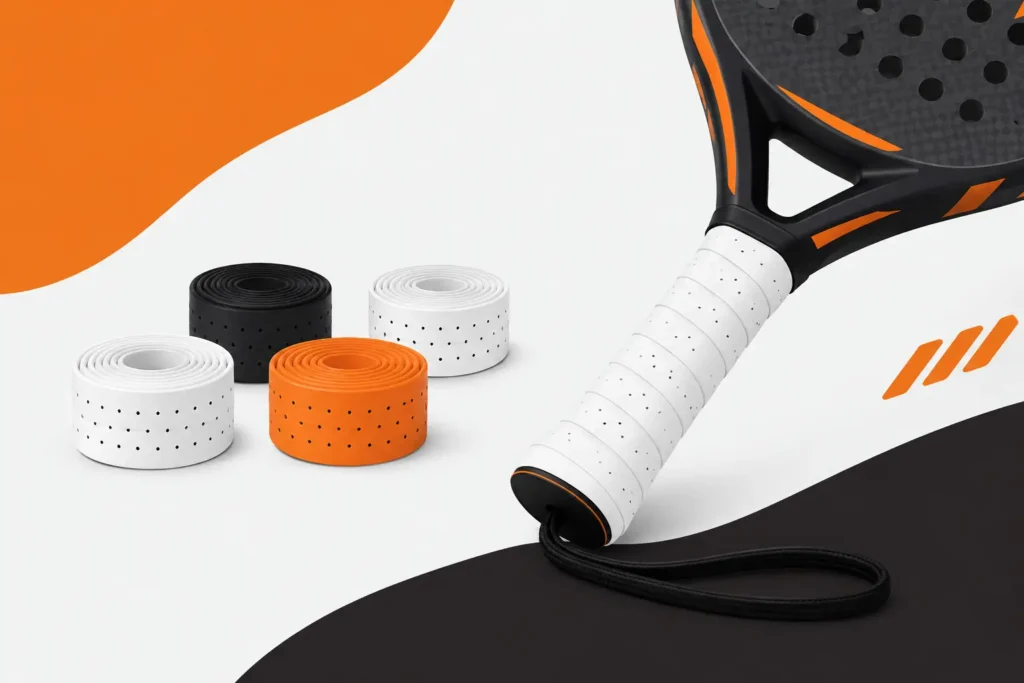
An overgrip wraps over the original factory grip and is the simplest way to improve hold, absorb sweat and adjust handle thickness. It is also inexpensive enough to replace regularly, which is useful because a worn grip loses tack and starts to feel hard.
Tacky overgrips suit players who want a secure, connected feel. They are a strong choice in dry conditions or for players who like to feel the handle firmly in the hand. Absorbent grips are often better if your palms sweat heavily, especially during warm indoor sessions or summer matches. Some players find absorbent options less sticky at first, but appreciate the drier feel over a full match.
Thickness matters as much as surface feel. One overgrip gives a modest increase in handle size. Two can make a meaningful difference, but they can also reduce finger control if your hand is small. If you are between sizes, begin with one thin overgrip and play a couple of sessions before adding more.
Replace an overgrip when it becomes smooth, shiny, dirty or starts moving under your hand. There is no fixed schedule: once-a-week players may get several weeks from one, while frequent players may change it every few matches. Fresh grips are one of the easiest ways to make a familiar racket feel better.
Replacement grips for a softer base feel
A replacement grip sits directly on the handle, underneath any overgrip. It is a better option when the original grip feels too firm, too thin or uneven. Cushioned replacement grips add a softer layer between your hand and the racket, reducing the sharp feel that some players notice on off-centre hits.
This upgrade is more permanent than adding an overgrip and it alters the handle shape more noticeably. It can be a great fit for players who spend a lot of time on court or prefer a plush handle, but too much padding can make the racket feel less precise. Control players who value clear feedback may prefer a firmer base grip with a thin overgrip on top.
When fitting a replacement grip, keep the butt cap clear and wrap with even tension. Lumps in the grip can create pressure points and defeat the purpose of the upgrade.
Reduce vibration without losing feel
Padel rackets do not use strings, so the small string dampeners familiar from tennis are not relevant here. Instead, comfort-focused padel accessories may include handle-mounted anti-vibration systems or compatible vibration-damping inserts designed for particular rackets.
These products can soften the sensation of impact, particularly on mishits and hard defensive shots. They may suit players who dislike a stiff, sharp response or who are returning to play after hand, wrist or elbow discomfort. They are not a cure for pain, however. Persistent pain deserves advice from a qualified medical professional, and poor technique or an unsuitable racket can be a bigger factor than vibration alone.
There is always a trade-off. Extra damping can make impact feel calmer, but some players feel it reduces feedback. If you rely on touch for volleys, bandejas and short balls, choose a subtle system rather than trying to remove every sensation from the racket.
A frame protector can help, but watch the balance
A frame protector is mainly there to protect your racket from scrapes against glass, fences and the court. That protection can provide real peace of mind, particularly when you have invested in a premium carbon model. A thin protector usually has little effect on comfort, while a heavy or layered protector can change the balance.
Placed around the top of the frame, extra weight makes the racket more head-heavy. Some aggressive players like the added momentum on overheads, but it can make quick exchanges and defensive reactions feel slower. For players already finding their racket tiring, use the lightest protector that gives adequate coverage.
Fit it carefully too. A poorly applied protector can peel, collect dirt or create an uneven edge. Clean and dry the frame first, then press it down steadily without stretching the material.
Do not overlook the wrist strap
The wrist strap is a safety feature, but it can affect comfort more than players expect. A strap that is too loose allows the racket to shift during play. One that is too tight can distract you and restrict your hand between points. Adjust it so the racket stays secure without pulling against your wrist.
If the original strap is rough, damaged or poorly positioned, a compatible replacement strap can make the racket nicer to use. This is especially relevant for players who train often and repeatedly take the strap on and off. Always use the strap as intended: it protects players around you as well as your racket.
Sweatbands and grip powder: useful supporting accessories
Not every comfort accessory attaches to the racket. Wristbands help stop sweat running down onto the handle, which can preserve grip and reduce the need to squeeze harder. They are a simple, low-cost addition for players who sweat through matches.
Grip powder or drying products can also help in humid conditions. Use them sparingly. Too much can leave residue on the grip and make a tacky surface feel less natural. For regular sweat problems, an absorbent overgrip and a wristband are usually the better first purchase.
Choose accessories around your racket and playing level
Beginners should keep it simple. Start with one comfortable overgrip and replace it when needed. This gives a secure hold while you develop a relaxed grip and learn which handle thickness feels right. There is little value in loading a new racket with multiple accessories before you know what you need.
Intermediate players often benefit from a more deliberate set-up. If you play two or three times a week, try different overgrip textures, consider a softer replacement grip if impact feels harsh, and use a light frame protector if you regularly catch the glass or floor.
Advanced players can be more selective. A small change in grip thickness, balance or feedback can influence timing on fast volleys and overheads. Test one change at a time. Adding a thick grip, heavy protector and damping system together makes it difficult to know what improved the feel – or what made it worse.
The most comfortable racket set-up is the one that lets you hold the handle lightly, swing freely and stay confident late in the match. Start with a fresh overgrip, listen to what your hand is telling you, and make only the changes that genuinely help you play better.