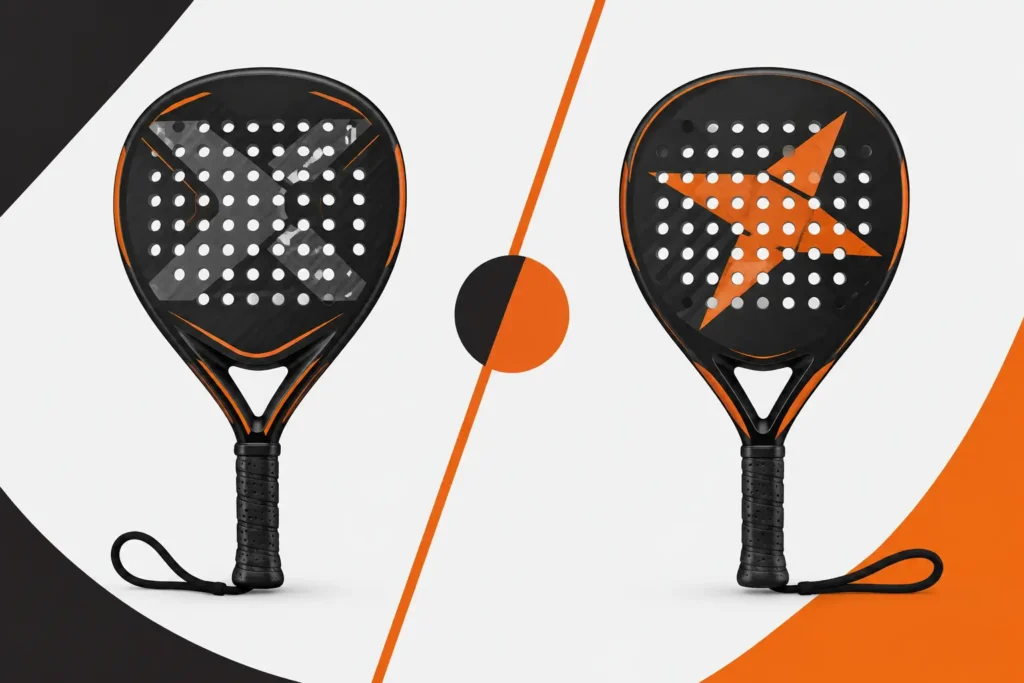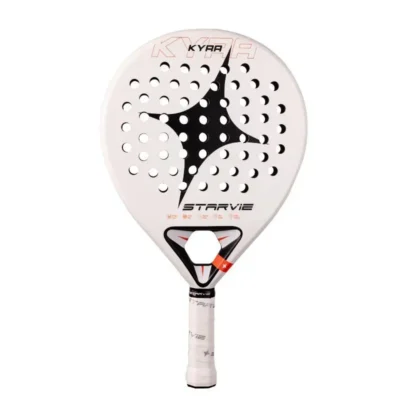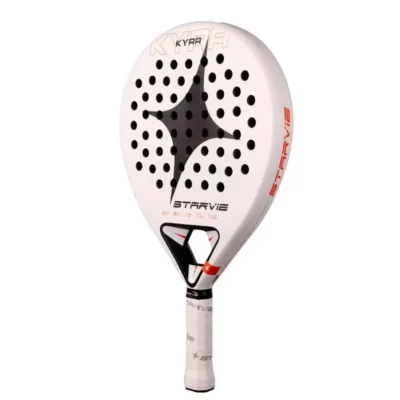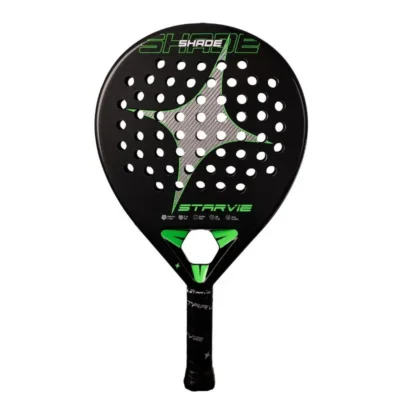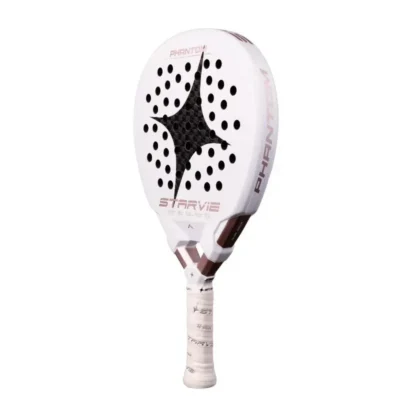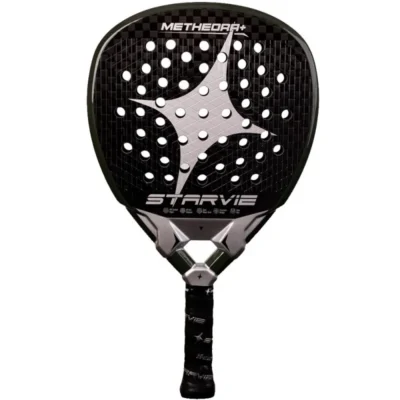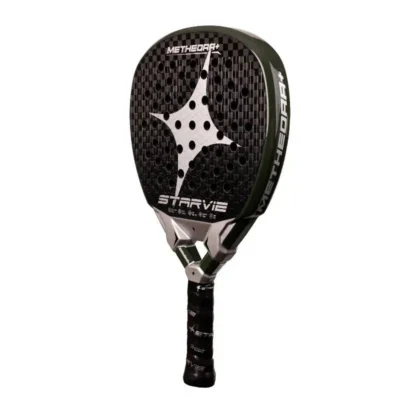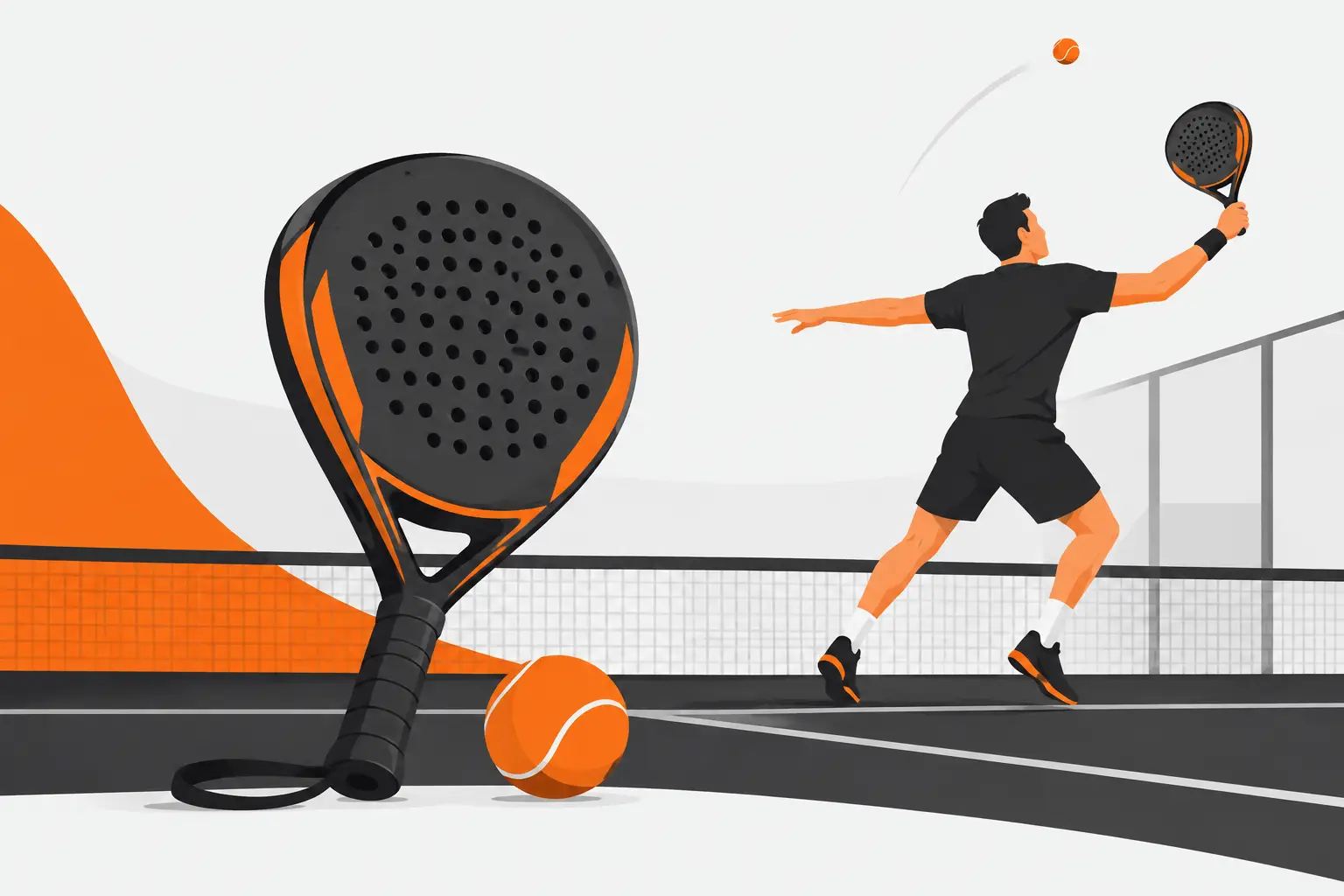
A good bandeja should feel controlled, heavy enough to keep your opponents back, and safe enough to repeat under pressure. That is why the best racket for bandeja shots is rarely the hardest-hitting racket in the shop. For most players, it is a control-led or hybrid racket that helps you place the ball deep without sacrificing comfort or timing.
The bandeja is one of padel’s most useful overheads. It protects your position at the net after a lob, gives you time to recover your court position, and stops opponents from taking control with an easy counterattack. Choose the wrong racket, though, and this reliable shot can become floaty, rushed or tiring on the arm.
What makes a racket good for bandeja shots?
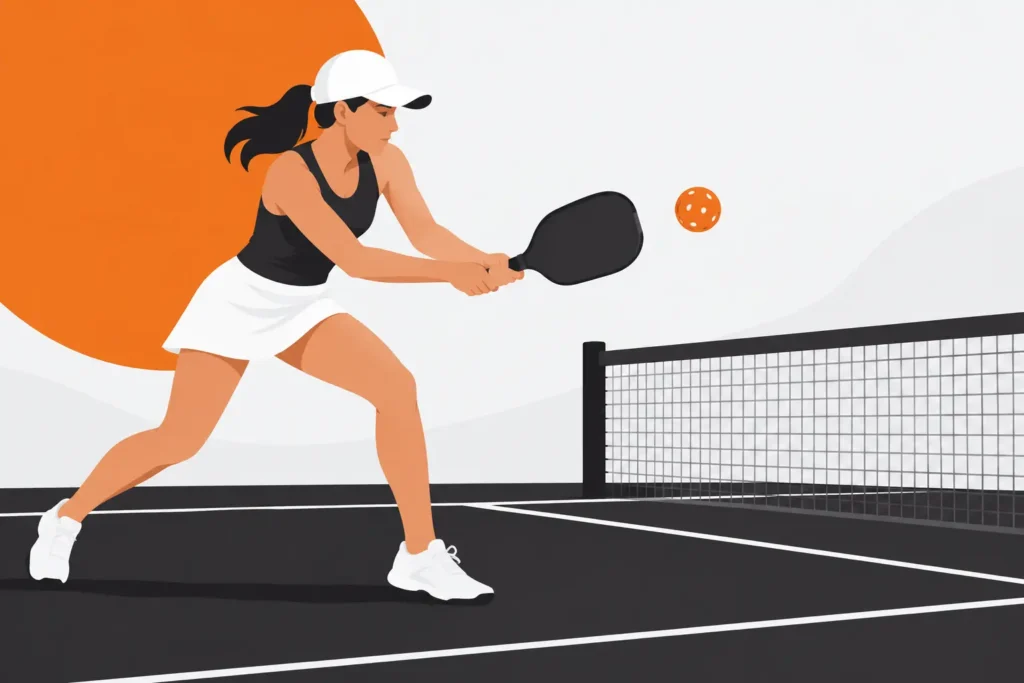
A bandeja is not simply a softer smash. You usually contact the ball above shoulder height and slightly in front of your body, using spin and depth to keep the ball low after the glass. The aim is control with enough penetration to make the return uncomfortable.
For that job, a racket needs a stable feel through contact, a predictable sweet spot and manageable balance. Extreme power can help when you strike perfectly, but it can also make the face feel slow when you are chasing a deep lob or trying to shape the ball towards the side wall.
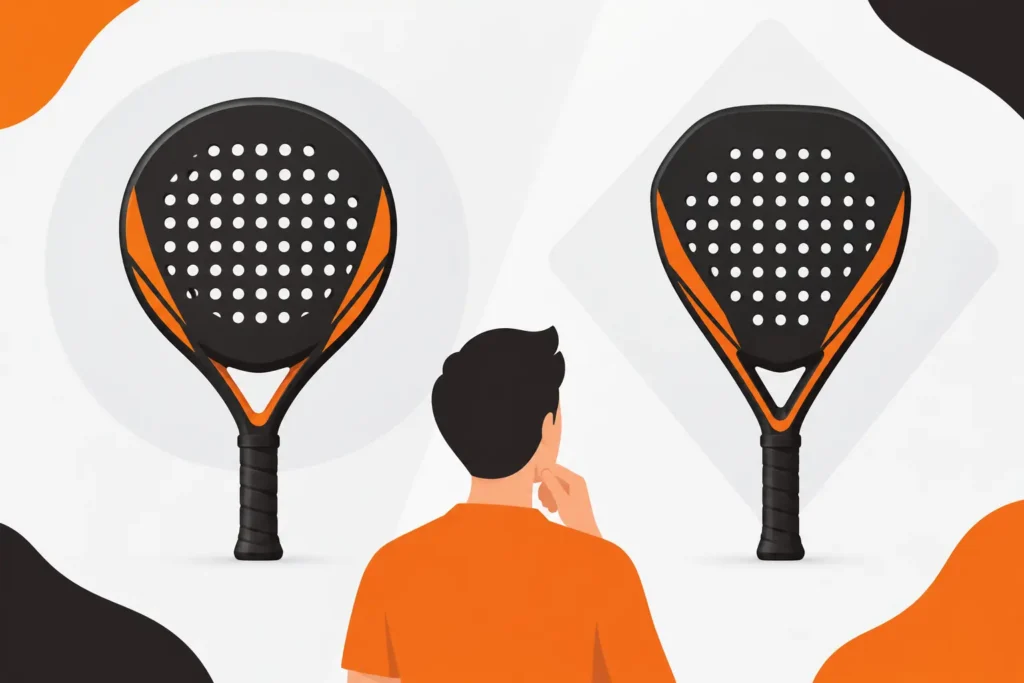
The best choice depends on your technique and where you sit on the control-to-power scale. Still, most players will get better bandejas from a round or hybrid-shaped racket than from a demanding diamond model.
Shape: round, hybrid or diamond?
Round rackets suit consistency
A round racket is the safest starting point for bandejas. Its sweet spot is usually larger and closer to the centre of the face, making clean contact easier when the ball is high, behind you or arriving with awkward spin.
This shape is especially useful for beginners and improving intermediates who want to build a dependable overhead game. You may not produce the fastest winner, but you can repeat the shot, place it deep, and stay in control of the point. That is often the smarter play.
Hybrid rackets offer the best all-court balance
For many regular players, a hybrid racket is the sweet spot. It offers more attacking potential than a traditional round model while remaining easier to handle than a full diamond racket. The slightly higher sweet spot can add weight to a bandeja without making the racket feel overly demanding.
If you play on the left side, like to press forwards, and still want confidence when defending lobs, a hybrid shape is usually worth serious consideration. It is also a strong option for players who use both bandeja and vibora depending on the ball they receive.
Diamond rackets reward advanced timing
Diamond rackets can be excellent for aggressive overhead players, but they are not automatically the best racket for bandeja shots. Their high balance and higher sweet spot can deliver serious pace, yet they demand good preparation and consistent contact.
If your bandeja regularly lands short or you feel late through the ball, a diamond racket may be making the shot harder. Advanced players with fast hands and sound overhead technique can enjoy the extra punch. Everyone else should prioritise control before chasing more power.
Balance matters more than many players think
Balance tells you where the racket’s weight is concentrated. Low-balance rackets feel quicker in the hand and are easier to manoeuvre. High-balance models place more mass towards the head, which can create heavier shots but requires more effort to control.
For bandejas, low to medium balance is generally the safest choice. It helps you prepare early, adjust the racket face, and accelerate smoothly rather than forcing the swing. This matters most when you are under pressure and cannot set up perfectly.
Medium-high balance can work very well for experienced players who want a more penetrating ball. The trade-off is that it can place extra strain on the wrist, elbow and shoulder over a long match. If you have ever felt your arm tire after repeated overheads, move towards a more manageable balance rather than adding more head weight.
Choose a weight you can control late in a match
There is no single perfect weight, but the right racket should still feel quick after two tough sets. A heavier racket can improve stability and make the ball feel more solid off the face. A lighter racket is easier to position, especially when reacting to fast lobs or defending near the back glass.
Many adult players are comfortable around 355-370 grams before overgrips and protectors. If you are developing your technique, play regularly with a sore arm, or prefer fast handling, the lower end of that range may make more sense. Stronger, advanced players may prefer a little more mass for added stability.
Remember that accessories change the final feel. An overgrip, frame protector and dampener can all add weight. A racket that seems perfect on paper may become more head-heavy once it is set up for play.
Face material and foam: feel first, then power
The face and core affect how the ball leaves the racket. Softer materials and softer foam generally offer a more comfortable, forgiving response. They can help players feel the ball on a controlled bandeja and are often kinder to the arm.
Harder carbon faces and firmer cores give a crisper, more direct response. This can be useful when you swing fast and want a sharper, more aggressive bandeja. The downside is less help on off-centre contact, particularly in cold conditions when the ball and racket can feel firmer.
Intermediate players often do well with a medium-feel racket. It provides enough feedback to build better technique without punishing every imperfect contact. Advanced players can choose a firmer carbon construction if they already generate racket-head speed and prefer a precise response.
The surface can help you add useful spin
A rough or textured face will not fix poor technique, but it can support the sliced contact that makes a bandeja effective. A well-struck bandeja should travel with control, dip towards the back corner and stay awkward after the bounce.
Do not buy a racket only for its rough surface. Shape, balance and comfort will have a far bigger effect on your game. Treat texture as a useful extra once the main racket profile suits your swing.
Find your match by playing level
Beginner players: control beats power
If you are still learning to position under the lob and make clean overhead contact, choose a round racket with low or medium balance and a forgiving core. Your priority is keeping the ball in play, getting it deep and maintaining the net position.
A control-focused model from brands such as Adidas, Head, Nox or Wilson can be a sensible place to start. Look for comfort and easy handling rather than advanced carbon specifications that you may not yet benefit from.
Intermediate players: look for controlled aggression
At intermediate level, you may have a reliable bandeja and want more depth, spin and attacking weight. A hybrid racket with medium balance is often the strongest all-round choice. It supports a firmer overhead while remaining stable during defence and quick exchanges at the net.
This is also the stage where a medium or medium-hard feel can make sense. You should feel connected to the ball, but the racket should not demand perfect timing on every lob.
Advanced players: choose for your overhead style
Advanced players should choose based on how they use the bandeja. If it is a tactical shot to maintain pressure and prepare the next volley, a control or hybrid racket remains a smart option. If you frequently turn high, shorter lobs into an aggressive bandeja or vibora, a higher-balance hybrid or diamond may suit you.
The key is honesty. Buying the most aggressive racket available will not improve your overheads if it slows your preparation. The best players make difficult shots look simple because their equipment works with their timing, not against it.
A quick test before you buy
Think about the bandejas you miss most often. If you frame the ball or struggle to find the centre, choose a rounder shape and larger sweet spot. If your shots land short despite clean contact, consider slightly more weight, a firmer face or a hybrid shape. If your arm feels worked after matches, reduce balance or choose a softer, more comfortable construction.
Also consider your usual court position. Right-side players and defensive-minded all-court players often benefit from control-led rackets. Left-side players who finish more points at the net may prefer a hybrid profile with extra punch. Neither choice is better in isolation – it has to suit the shots you actually play.
At 7padel, shopping by level and racket type makes it easier to narrow the field without getting lost in technical jargon. Start with the profile that fits your game, then compare weight, balance and feel within that group.
A reliable bandeja is built through practice, footwork and patience, but the right racket makes those hours count. Choose the one that lets you prepare early, strike with confidence and keep your opponents pinned deep when the next lob arrives.