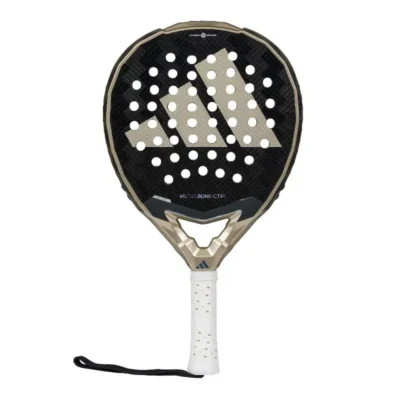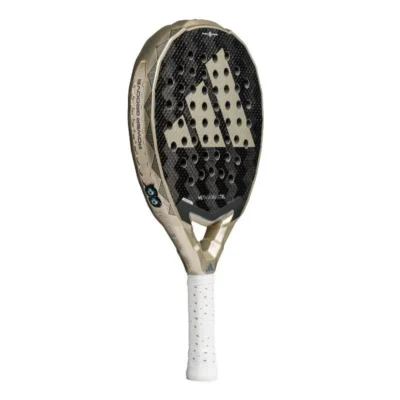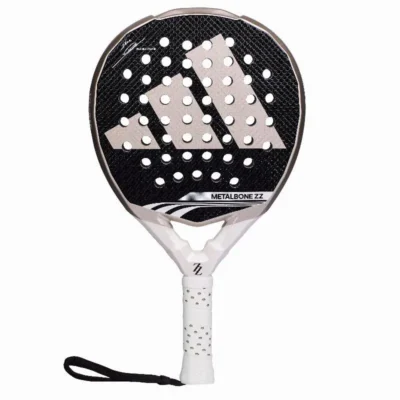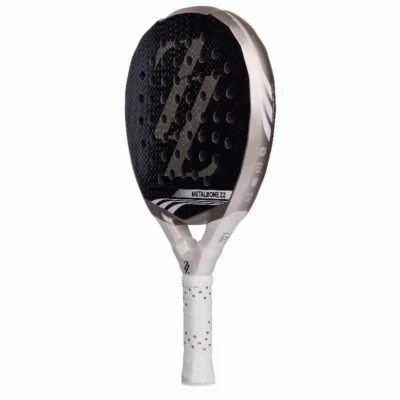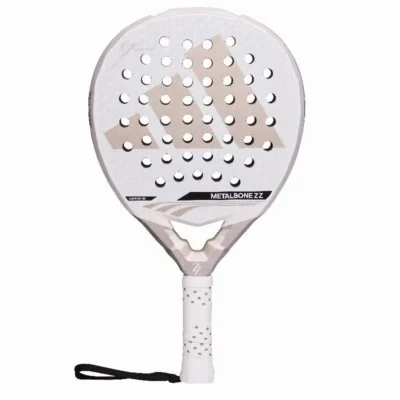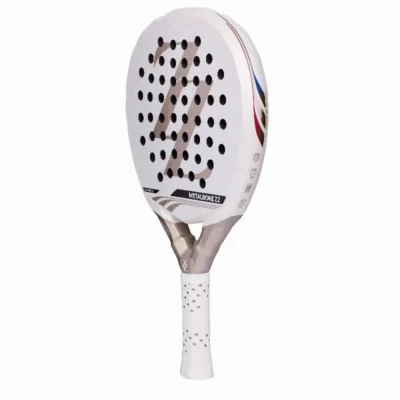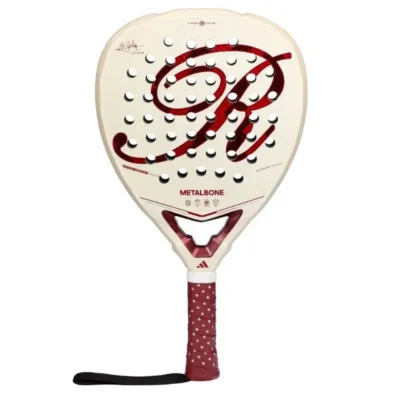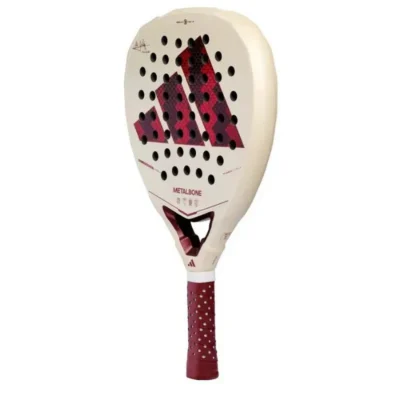
The Adidas Metalbone Team is built for the club player who wants more punch at the net without stepping into the demanding feel of a full competition racket. In this adidas metalbone team review, we look at where it delivers, where it asks for better technique, and whether its diamond shape is the right fit for your game.
Adidas Metalbone Team review: the short version
This is a power-leaning, comfortable padel racket for intermediate players and improving beginners who play an attacking game. Its diamond-shaped head and higher balance help produce weighty volleys, smashes and aggressive overheads. At the same time, the softer materials typically used in the Team version make it easier on the arm and more forgiving than the harder, more technical Metalbone models.
It is not the best choice for a player whose priority is effortless defence, quick reactions at the net or pinpoint placement from every part of the court. But if you like to take the initiative and want a recognised Adidas racket that gives you room to improve, it makes a lot of sense.
How does the Metalbone Team feel on court?
The first thing most players notice is the head-heavy feel. A diamond racket carries more of its mass towards the top of the frame, which helps the racket travel through the ball with authority. When you have time to prepare, especially for a bandeja, vibora or smash, the Metalbone Team rewards a committed swing.
That added weight in the head does not mean it feels unmanageable. The Team model is designed as a more accessible route into the Metalbone family, with a friendlier response than the rackets aimed at advanced tournament players. It still has an attacking character, but it does not punish slightly imperfect contact as severely as a very hard carbon racket can.
Power without an excessively hard touch
The softer face and core feel are a key part of this racket’s appeal. On slower balls, it offers useful rebound, helping you get depth without having to hit at maximum effort. This is particularly helpful when defending near the back glass or lifting a low ball over the net.
On attacking shots, the frame shape and balance do the work. You can generate serious pace when your technique is clean, but the power is not completely automatic. A diamond racket needs you to find the higher sweet spot consistently. If you often contact the ball low on the face, you may not get the crisp, forceful response you expect.
Control is good, but not its main job
The Metalbone Team can place the ball accurately when you play with purpose. It is stable on firm volleys and gives enough feel for controlled chiquitas and lobs. However, it is not a control-first round racket. Players moving from a round-shaped model will notice that defensive blocks and quick exchanges require more attention to the racket face.
This is the trade-off. You gain more help on overheads and attacking volleys, while giving up some of the easy manoeuvrability that makes a round racket so reliable in defence. Neither approach is better for every player. It depends on the shots you want to improve and the position you take most often during a match.
Who should buy the Adidas Metalbone Team?
The strongest match is an intermediate club player who has developed a consistent basic technique and wants a racket that supports a more aggressive style. If you are starting to finish points at the net, looking to make your vibora more threatening or enjoying opportunities to smash, this racket gives you a useful platform.
It can also suit an ambitious beginner with good sporting experience, especially someone coming from tennis, squash or another racket sport. The softer feel can be welcoming, but the diamond shape is still less forgiving than a round beginner racket. A complete newcomer to padel will usually learn faster with a round, lower-balanced option that makes defensive contact simpler.
Players who will enjoy it most tend to be comfortable moving forwards, happy to take the ball early and willing to use a full swing when the shot allows. It is a racket for building confidence in attack, not for simply putting the ball back in play.
Who should look at another shape?
If you spend most rallies defending from the back of the court, a round racket may be the smarter purchase. Round rackets generally put the sweet spot closer to the centre, making them easier to handle when the ball arrives quickly or awkwardly. They also tend to feel faster in hand during rapid volley exchanges.
A teardrop or hybrid-shaped racket is worth considering if you want a middle ground. It can offer more power than a round shape while remaining easier to manoeuvre than a diamond. This is often the right route for an all-round player who attacks when the opportunity is there but does not want the racket to dictate an aggressive style.
The Metalbone Team is also not ideal if you prefer a very firm, direct feel. More advanced carbon-faced rackets give sharper feedback and can produce greater precision at high swing speeds, although they are usually less comfortable and less forgiving. The Team version is aimed at players who value usable performance over a demanding professional-spec response.
Performance in the key areas
At the net, the racket feels solid and effective. The higher balance gives firm volleys more depth and makes it easier to put pressure on opponents with a deep cross-court ball. In fast hands battles, though, you need to be decisive. A lighter or lower-balanced racket will turn more quickly.
From the back of the court, the softer response helps with defensive lobs and controlled returns. You can get the ball moving without forcing every shot. Still, the head-heavy format means you will need to prepare early, particularly when defending hard shots off the glass.
Overheads are where it earns its place. The racket is designed to encourage attacking play, and players who can reach a good contact point will appreciate the extra momentum through the ball. A flat smash, vibora and aggressive bandeja all benefit from the shape. Do not expect it to turn a short or poorly timed swing into a winner, but it provides a more powerful base than a control racket.
On comfort, the Metalbone Team is a sensible option for players who do not enjoy an overly stiff racket. Softer materials usually reduce harsh feedback and make longer matches more pleasant. If you have an existing elbow or wrist issue, though, racket choice is only one factor. Grip size, overgrip build-up, technique and playing volume matter just as much.
What to check before you buy
Adidas padel ranges can change slightly between seasons, so always check the listed weight, balance and construction of the exact model available. Even rackets from the same production range can feel a little different depending on their final weight. If you prefer a quicker feel, choose the lighter end of the available range where possible.
Think honestly about your current level rather than the player you expect to become next month. A racket should help you play better now while leaving space to progress. The Metalbone Team is a good step up when you can reliably hit the centre of the face and want more intent in attack. If that is not quite your game yet, a round Adidas model may offer better value because you will enjoy it from the first session.
For players who do match the profile, the Metalbone Team is a strong, sensible choice: recognisable Adidas performance, a comfortable response and enough attacking potential to keep pace with your improvement. At 7padel, the simplest way to shop smart is to choose the racket that suits the shots you hit most often, then give it time on court before judging it by one difficult match.