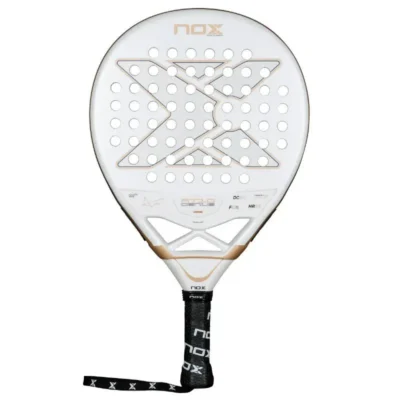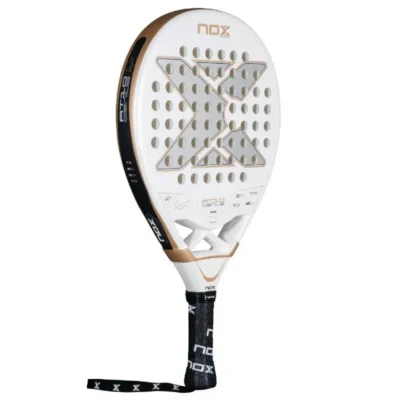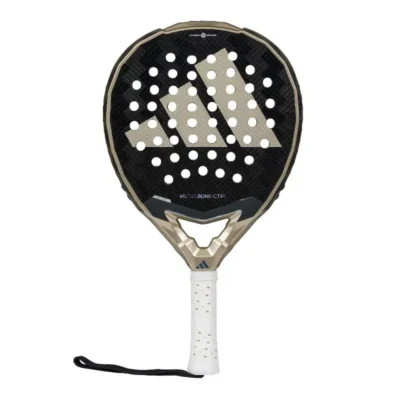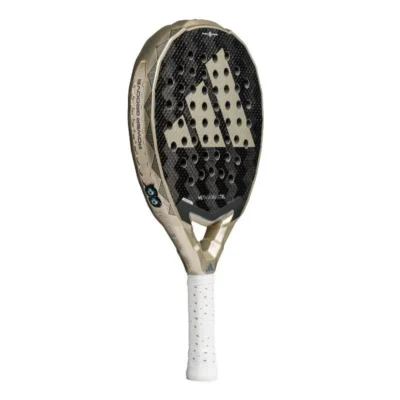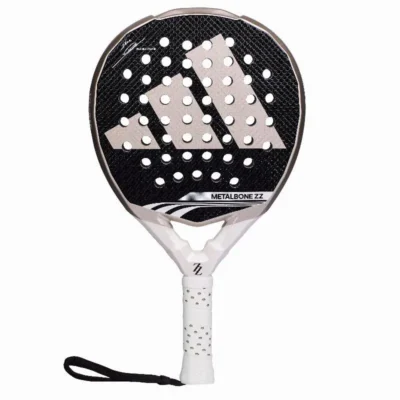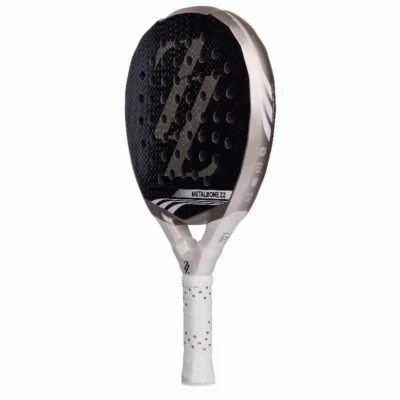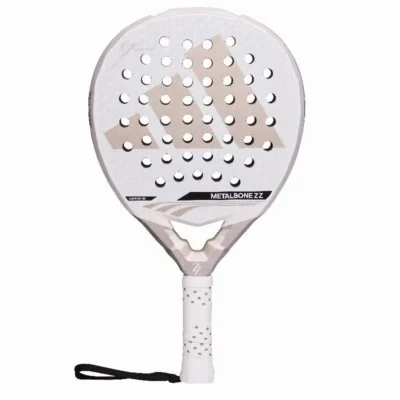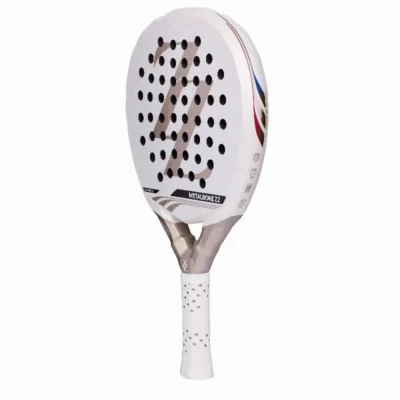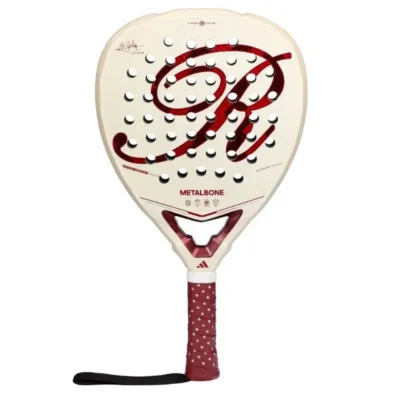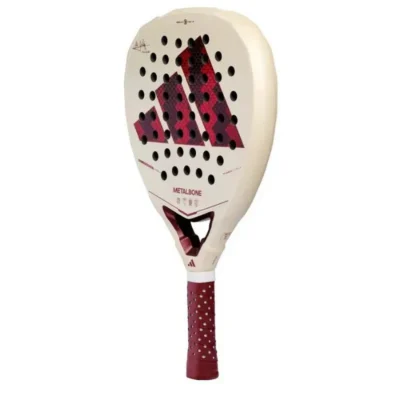
One mishit at 4-4 can change a set. That is why so many players start looking for a padel racket for consistency after trying something that feels exciting in warm-up but unpredictable in a match. If you want cleaner contact, better control under pressure and fewer loose balls, the right racket can make a real difference.
Consistency in padel is not about playing safe or soft. It is about repeating the same shot quality again and again, even when the pace goes up. For most players, that means choosing a racket that helps with control, gives a stable feel on contact and does not punish small timing errors too harshly.
What makes a padel racket for consistency?
The first thing to look at is shape. Round rackets are usually the easiest place to start if consistency is your priority. They tend to have a larger sweet spot and a more forgiving response, which helps when your contact point is not perfect. On long rallies, that extra forgiveness often matters more than raw power.
Balance is just as important. A low to medium balance generally feels easier to control because the weight sits closer to the hand. That makes the racket quicker to adjust and less demanding in defence. If you often find yourself late on volleys or scrambling from the back glass, a head-heavy model can make those moments harder than they need to be.
The core and face also affect consistency. Softer or medium-feel rackets usually give a more comfortable and predictable response, especially for beginners and intermediates. Very hard rackets can feel sharp and precise in the right hands, but they are less forgiving and often require cleaner technique to get the best out of them.
Weight matters too, but there is no one perfect number. A lighter racket can improve manoeuvrability and reduce fatigue, while a slightly heavier one may offer more stability. If your arm tires late in matches, lighter often wins. If your issue is the racket twisting on contact, a bit more mass may help.
The trade-off: consistency vs power
A lot of players buy too much racket. They choose a diamond shape, high balance and firm feel because they want more power on smashes. Then they lose confidence in defence, miss more returns and struggle to keep volleys tidy. Power sells, but consistency wins plenty of points.
That does not mean a control-focused racket has to feel dead. Many hybrid models offer a nice middle ground. You still get enough punch for overheads, but with a friendlier sweet spot and easier handling. If you are an improving intermediate player, this is often the smartest category to shop in.
It depends on how you actually win points. If your game is built on patient rallies, directional control and forcing mistakes, a control racket makes obvious sense. If you are an advanced attacker with strong technique, you may still prefer a firmer or more aggressive frame, but even then, too much difficulty can hurt your match level.
How to choose a padel racket for consistency by level
Beginners
If you are still building confidence, keep it simple. A round shape, low balance and soft to medium feel will usually give you the best chance of clean contact. You want a racket that helps you keep the ball in play and learn proper timing without feeling harsh on the arm.
At this stage, consistency is often about reducing unforced errors rather than hitting better winners. A forgiving racket lets you focus on footwork, positioning and basic shot selection. That is a much better investment than chasing advanced features too early.
Intermediate players
This is where choices get more interesting. Many intermediate players need control, but they also want enough all-round performance to finish points when chances come. A round or hybrid shape with medium balance is often the sweet spot. It keeps your game stable but does not leave you short when you speed things up.
If you are already comfortable at the net and can generate your own pace, you may prefer a slightly firmer feel for extra precision. If you still play a lot of defensive padel and value comfort, stay on the softer side. The right answer depends on where your errors happen most often.
Advanced players
Advanced players can handle more demanding rackets, but that does not always mean they should. If your version of consistency is controlling fast exchanges and taking the ball early, a stable hybrid racket may suit you better than an extreme power model. If you defend brilliantly and build points with placement, a high-control round racket can still be the right fit at a high level.
The best advanced choice is usually the racket that supports your match identity, not the one with the most aggressive spec sheet.
Signs your current racket is costing you consistency
Sometimes the easiest way to choose is by noticing what keeps going wrong. If your volleys float long, your returns feel rushed or your defensive balls lack control, your racket may be too lively or too head-heavy. If off-centre hits die too often, the sweet spot may be too small for your current level.
Arm discomfort can be another clue. When a racket feels too stiff or demanding, players often tighten up without realising it. That usually leads to worse timing, poorer touch and less confidence in longer sessions. A more forgiving setup can improve both comfort and shot quality.
You should also pay attention to your good days. If you only play well when your timing is perfect, your racket may not be helping enough. A strong match racket should still give you a reliable level when you are not at your absolute best.
Brand differences and why feel matters
Recognised brands such as Adidas, Babolat, Bullpadel, Head, Nox, Starvie and Wilson all make rackets that can suit a consistency-focused player, but they do not feel identical. Some lean softer and more comfortable, some feel crisper and more direct, and some sit in the middle with an easy all-round response.
That is why shopping by shape alone is not enough. Two round rackets can still play quite differently if one has a softer core and the other a firmer face. The goal is not to chase one brand name. It is to find the combination of shape, balance and feel that matches how you play now.
If you are deciding between two similar models, think about what gives you confidence in pressure moments. Do you want a softer touch in defence, quicker hands at the net or a more solid feel on blocks and volleys? Those answers usually point you in the right direction faster than marketing terms do.
A simple way to narrow your choice
Start with your main problem on court. If you miss too many routine balls, go round and forgiving. If you are steady from the back but want a bit more finish at the net, look at hybrid models. If you play several times a week and have reliable technique, then you can consider firmer options without giving away too much control.
Next, be honest about your level. Many players describe themselves by the shots they want to play, not the shots they can repeat. Consistency comes from matching the racket to your current standard. Shop smart, and improvement usually follows faster.
Finally, think about comfort over a full match. A racket can feel impressive for ten minutes and tiring after ninety. The better choice is the one you can trust from first serve to last point.
A good padel racket for consistency should make the game feel simpler. When the racket fits, you stop thinking about the frame in your hand and start focusing on the ball, your partner and the next smart decision. That is usually when padel gets more enjoyable and your results start to look better too.