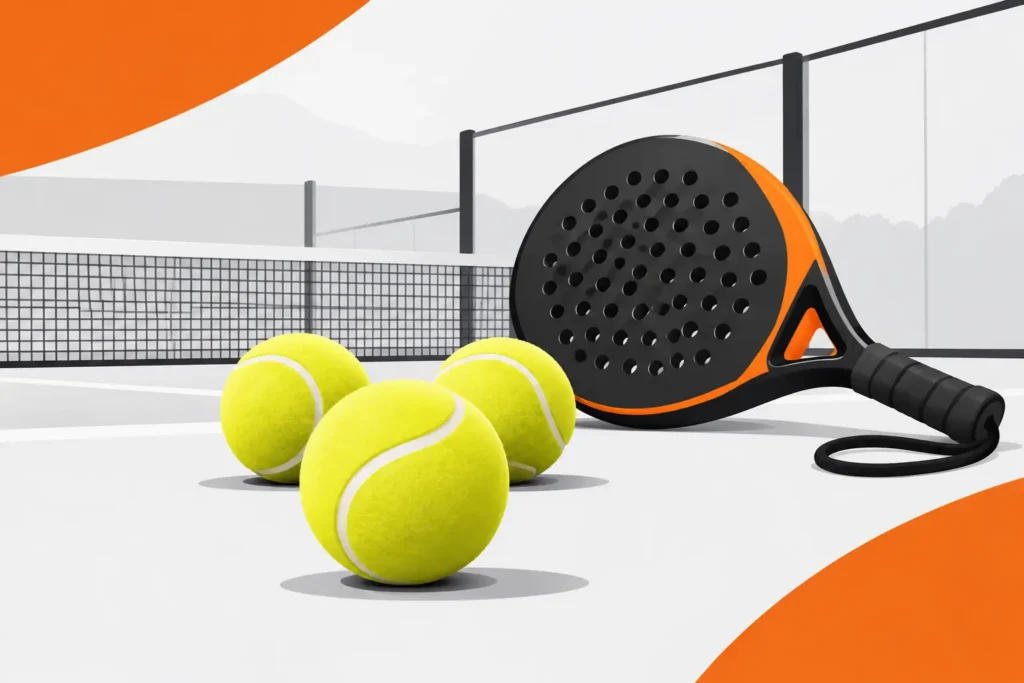
A fresh tin can make your usual match feel quicker, sharper and far less forgiving. That is why knowing how to choose padel ball pressure matters more than many players expect. The right ball will not fix poor timing, but it can make rallies more enjoyable, support your style of play and stop you blaming your racket for a ball that has simply gone flat.
For most players, the choice is not about chasing an exact pressure number. Padel ball brands rarely ask you to select a specific PSI. Instead, you choose between ball ranges that feel livelier or softer, then match that feel to your level, court conditions and the kind of game you want to play.
What padel ball pressure changes on court
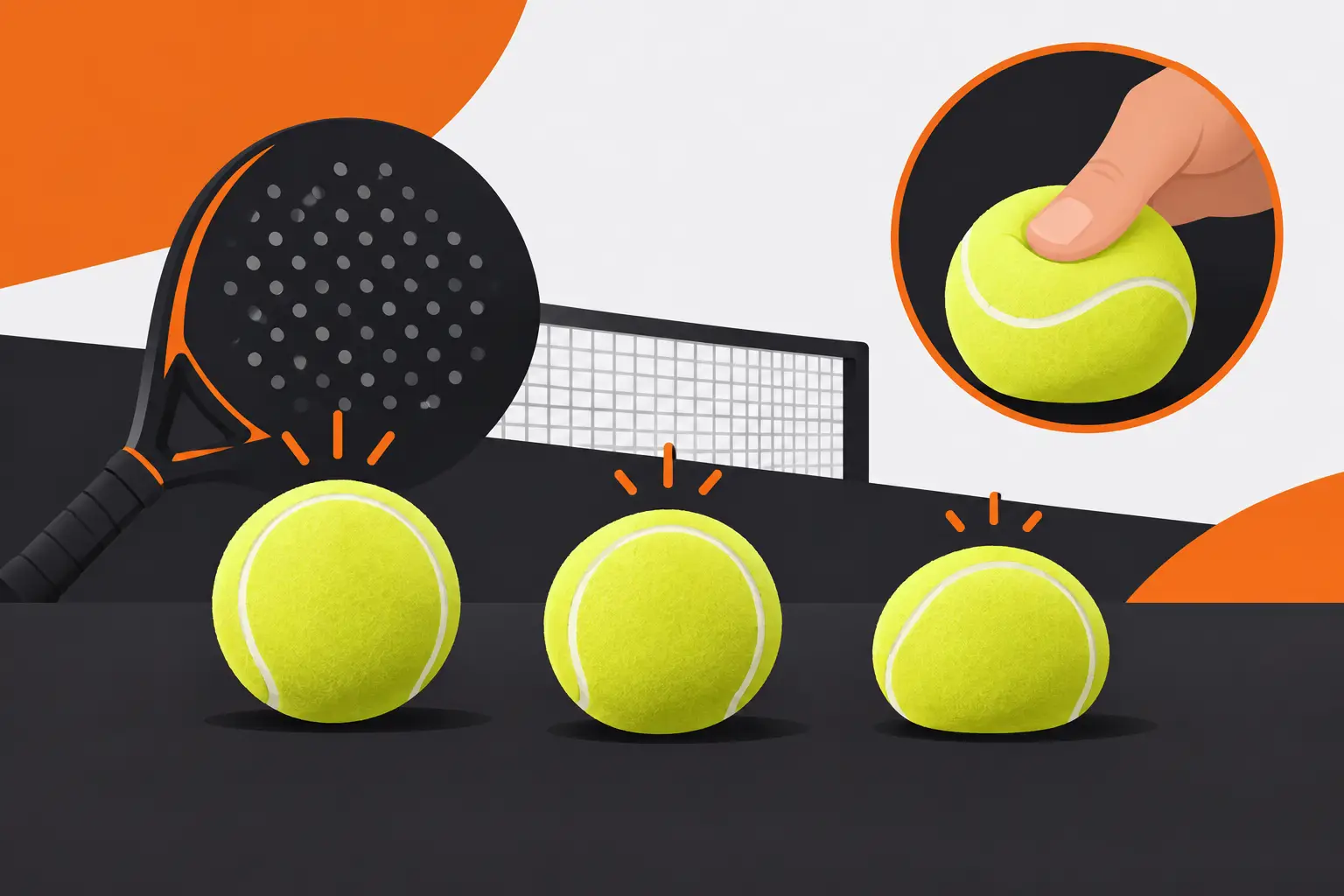
Padel balls are usually pressurised, meaning air inside the ball creates its bounce and lively response. A higher-pressure ball generally comes off the racket and glass faster. It feels more responsive on volleys, speeds up counterattacks and rewards clean contact. It can also make defensive shots harder to control, especially when you are under pressure at the back of the court.
A lower-pressure or softer-feeling ball has a more controlled response. It tends to travel a little slower, giving you more time to prepare and making longer rallies easier to build. The trade-off is that attacking shots may feel less explosive, and it can take more effort to produce pace or bring the ball back over the net from the glass.
Neither option is automatically better. The right pressure depends on who is playing, where you play and what you want from the match.
How to choose padel ball pressure for your level
Beginners should favour control and consistency
If you are new to padel, a slightly softer, more controllable ball is usually the sensible choice. Fast, lively balls can feel exciting for the first few shots, but they quickly expose rushed preparation and make the glass harder to read. A ball with a calmer response gives you time to learn positioning, develop a reliable bandeja and build confidence at the net.
Look for balls described as durable, control-oriented or suitable for regular club play. They do not need to feel dead. You still want a proper bounce and clean response, just without every volley flying through the court.
Intermediate players can match the ball to their game
At intermediate level, you will notice pressure differences more clearly. If your game is based on placement, defending patiently and constructing points, stay with a balanced or softer-feeling ball. It will help you use lobs, chiquitas and controlled volleys without feeling rushed.
If you are becoming more aggressive at the net and can keep your volleys compact, a livelier ball can be a good step up. It makes quick exchanges more rewarding and gives your vibora, punch volley and overhead more penetration. The compromise is reduced margin for error. A powerful ball will magnify both your clean winners and your mistimed shots.
Advanced players may want a faster response
Advanced players often prefer fresh, higher-performing pressurised balls because they suit an attacking tempo. A lively ball rewards decisive net play, fast hands and well-struck overheads. On a quick indoor court, it can turn a close match into a very physical, high-speed contest.
That does not mean every strong player should always choose the fastest ball available. If you play on a slow outdoor court, in cooler weather or with partners who prefer tactical rallies, an ultra-lively ball may make the match less enjoyable rather than more competitive. Good equipment choices should fit the session, not just your ability level.
Court, weather and season matter
The same ball can feel completely different on two courts. Temperature has the biggest effect. In cold conditions, balls feel firmer but bounce lower and move more slowly because the internal air pressure drops. A fresh, livelier ball is often useful for autumn and winter outdoor sessions.
Warm weather increases the ball’s response. On a hot day, a new high-pressure ball can feel very quick, particularly on an indoor court with a fast surface. If you are playing socially or with newer players, a balanced ball may produce a better match and fewer rushed errors.
Court surface and surroundings also play a part. Indoor courts offer predictable conditions, so you can choose based mainly on your preferred pace. Outdoor courts add wind, temperature changes and sometimes dampness. In those conditions, durability and a stable, controlled feel can matter as much as outright speed.
Altitude is another factor for players travelling to play. At higher altitude, balls can bounce and fly more aggressively. Choosing a slightly softer ball can help bring the game back under control.
Fresh balls versus balls with lower pressure
A new ball from a sealed tin should feel consistent, with a clean felt surface and a reliable bounce. After several sets, pressure gradually falls and the felt becomes fluffier. The ball then feels slower and heavier off the racket, even if it does not look badly worn.
For league matches, tournaments or a competitive session with friends, open a fresh tin. Everyone gets a predictable ball, and there is no debate about whether one side has an advantage during quick exchanges.
For practice, coaching drills or a relaxed hit, used balls still have value. Slightly softer balls can be useful when working on technique because they slow the game down. They are also a practical choice for basket drills, where opening a new tin every session would add unnecessary cost.
There is a limit, though. Once the bounce becomes inconsistent, the felt is badly worn or the ball feels noticeably flat, replace it. A dead ball changes your timing and encourages you to overhit. Saving a few pounds is not worth practising poor habits.
Choose ball pressure to suit your racket
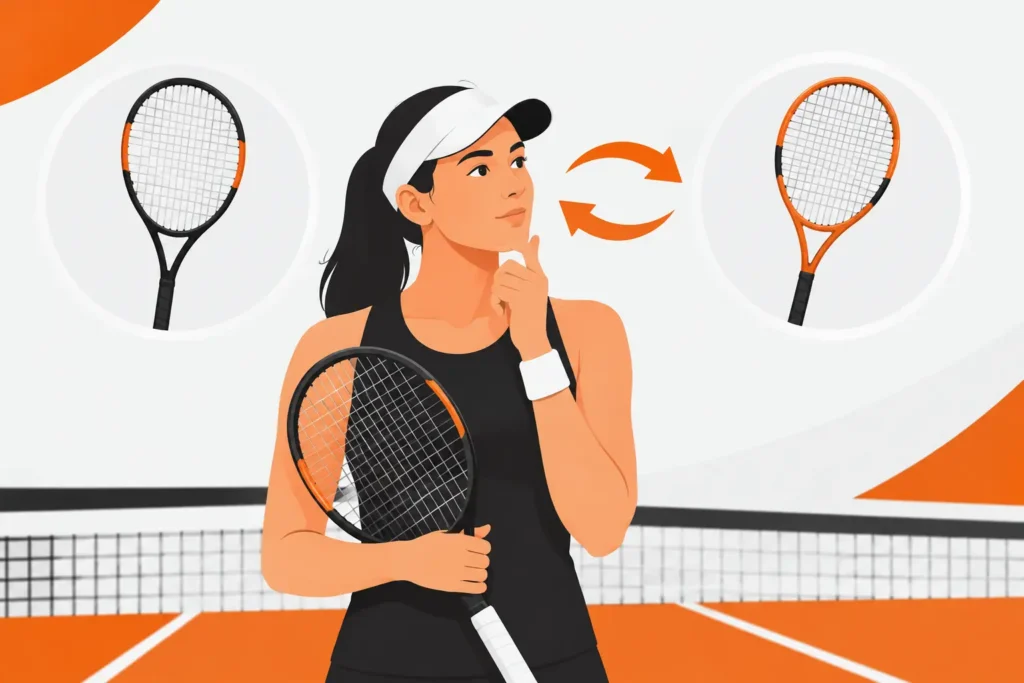
Your racket and ball should work together. A powerful diamond-shaped racket with a hard face already produces a fast response. Pairing it with very lively balls can be great for experienced attackers, but it may feel difficult to manage if your contact point is not consistent.
Control rackets with a round shape and a softer touch often pair well with a fresher ball. The racket helps you keep the ball on the strings for a fraction longer, while the ball supplies enough pace for effective volleys and overheads. Hybrid rackets sit comfortably in the middle and give most intermediate players flexibility to use a balanced, all-round ball.
Do not choose balls purely to compensate for a racket that does not suit you. If your setup feels harsh, uncontrollable or underpowered every time you play, the racket is likely the first thing to assess. Balls fine-tune the experience; they do not transform the wrong racket into the right one.
A simple buying approach
When choosing padel balls, start with the session rather than the marketing. For a first lesson, casual game or a player building confidence, select a durable, control-friendly option. For regular club matches, a balanced pressurised ball is the safest all-round choice. For fast indoor play with confident players, choose a fresh, livelier ball designed for performance.
Buy enough tins to avoid relying on one old set of balls. If you play once a week, having a couple of unopened tins at home means you can use fresh balls when the match matters and keep older ones for practice. It is a small detail, but one that makes game nights more consistent.
Store unopened tins away from heat, direct sunlight and freezing temperatures. Once opened, a ball pressuriser can help extend their usable life, although it cannot fully restore worn felt or a ball that has already lost too much performance. Think of it as a way to preserve decent balls for longer, not a replacement for new ones.
The best choice is the one that improves the match
There is no need to overcomplicate padel ball pressure. If rallies feel frantic and errors pile up, move towards a more controlled ball. If the game feels slow and your clean shots are not travelling, try a fresh, livelier tin. Start with the conditions you play in most often, then adjust from there. The best ball is the one that lets everyone play with confidence, compete properly and enjoy coming back for the next match.