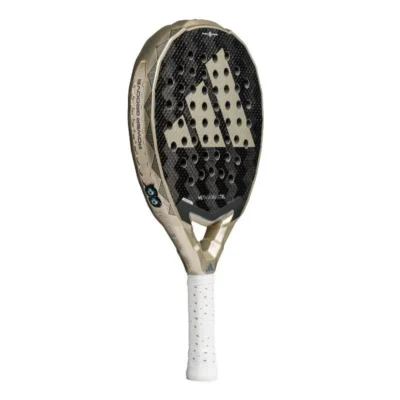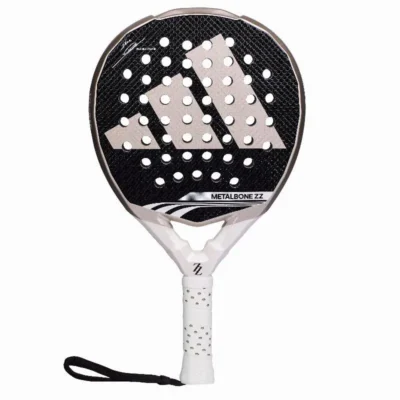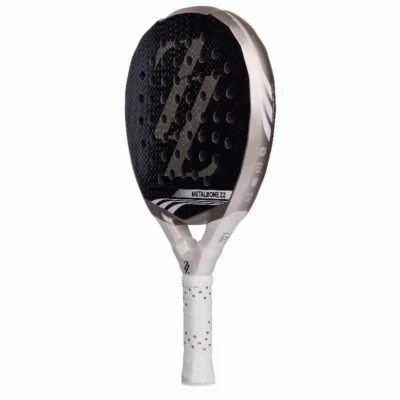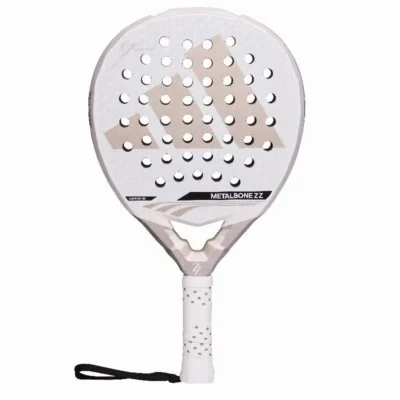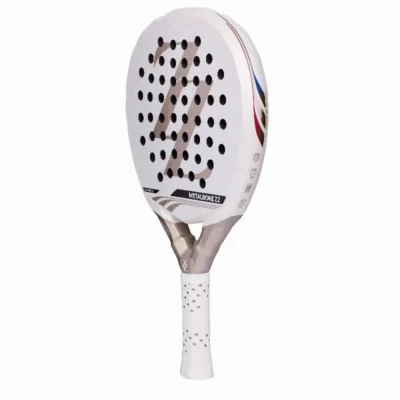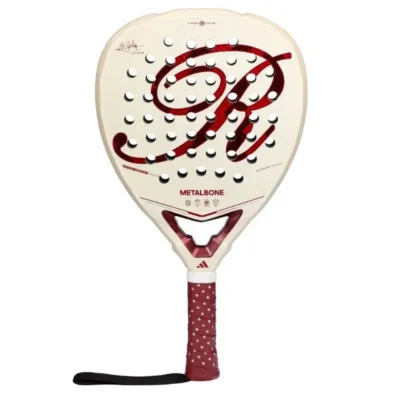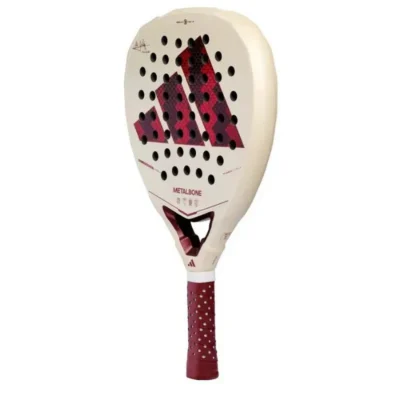
A racket that looks quick in a pro player’s hand can feel slow, harsh or wildly inconsistent in yours. That is why the most useful padel racket trends 2026 are not about chasing the latest paintwork or the hardest carbon face. They are about finding a racket that gives you more of the shots you already have, while making the difficult ones less costly.
For most players, 2026 is shaping up as a year of refinement rather than a complete equipment revolution. Leading brands are improving balance, comfort and sweet-spot performance across their ranges. The result is good news for shoppers: there is more choice than ever, but you need to look beyond headline materials and choose for your level, physical comfort and usual position on court.
Padel racket trends 2026: balance comes first
The biggest shift is towards more usable balance. For years, power rackets were often strongly head-heavy, giving aggressive players serious force on overheads but making fast defensive exchanges harder. Control rackets sat lower in the hand, offering manoeuvrability but sometimes leaving players wanting more help when finishing points.
In 2026, hybrid designs are likely to remain the main choice for a large share of club players. They sit between round control shapes and diamond power shapes, usually with a teardrop profile and medium balance. This combination gives enough speed for volleys and bandejas, yet keeps the racket manageable when you are defending from the back glass.
That does not mean a hybrid racket is automatically best. If your game is built around steady placement, lobs and patient construction, a round racket with a low balance still makes perfect sense. If you attack relentlessly and can handle a less forgiving sweet spot, a diamond shape may still be the right tool. The trend is simply that brands are making the middle ground more capable.
Better manoeuvrability without losing punch
Manufacturers are paying closer attention to how a racket moves, not just how hard it hits. A slightly lower balance, a more aerodynamic frame and carefully positioned weight can make a noticeable difference during rapid exchanges at the net. This matters far more for everyday match play than an extra few kilometres per hour on a smash.
Look at the complete feel rather than the shape name alone. Two hybrid rackets can behave very differently depending on their balance point, weight and core. If you have felt late on volleys or struggle to recover the racket after a hard defence, prioritise manoeuvrability over maximum advertised power.
Carbon is still everywhere, but feel matters more
Carbon remains a major talking point in premium padel rackets. You will see terms such as 3K, 12K, 18K and 24K carbon, along with different weave patterns and reinforced faces. These details can affect stiffness and response, but the number on the racket is not a simple performance score.
A higher-carbon face can feel crisp and direct, which confident players often enjoy when attacking the ball. It can also feel firmer on off-centre contact. A softer face may give easier depth from the back of the court and a more comfortable response, especially in cooler British weather when balls and surfaces can feel slower.
The core, frame construction and balance all shape the final feel. A racket with a stiff carbon face and a softer core can still be surprisingly comfortable. Equally, a racket marketed as soft may feel too lively if you swing fast and prefer a precise response. Treat material labels as useful clues, not a shortcut to the right choice.
Comfort is becoming a real buying priority
Another clear 2026 direction is the stronger focus on vibration reduction and arm comfort. Players are training and competing more often, and many are no longer willing to accept elbow or shoulder discomfort as part of improving. Brands are using softer core options, anti-vibration systems, reinforced handles and more forgiving face constructions to reduce unwanted feedback.
If you have had tennis elbow, wrist pain or shoulder fatigue, do not assume you need the lightest racket available. Balance is often just as important as total weight. A very light but head-heavy racket can still put strain on your arm, while a sensibly weighted, lower-balanced model may feel easier through a full match.
Comfort-focused rackets are not only for players managing an injury. They also suit beginners, social players and anyone who wants a larger margin for error. The trade-off is that ultra-soft models can feel less precise when you hit hard. A medium-soft racket is often the sensible starting point for players who want comfort without losing control.
More forgiveness for developing players
One of the best padel racket trends 2026 for club players is the continued improvement of forgiving rackets. Brands understand that most buyers are not touring professionals. They need a racket that helps on blocked volleys, late forehands, defensive digs and balls struck away from the centre of the face.
Round rackets continue to lead here. Their larger central sweet spot and lower balance help newer players learn clean technique without fighting the racket. They are also an excellent option for experienced players who value control and play a tactical, patient game.
Intermediate players have the broadest choice. This is where a medium-balanced round or hybrid racket can work brilliantly, especially if you are beginning to attack more at the net but still rely on consistency from the back court. Avoid moving to a demanding diamond racket just because it is used by a famous player. If it costs you control on six balls to gain a little more power on one, it is not helping your match results.
Advanced players can benefit from more specialised profiles, but even here forgiveness matters. The modern attacking racket is increasingly designed to offer a more accessible sweet spot than older power models. That is useful in real matches, where tired legs, pressure and fast conditions rarely produce perfect contact.
Custom weight and surface texture are becoming more useful
Adjustable weighting is appearing in more performance-focused rackets. Small weight systems can alter balance and allow players to tune the feel towards speed or punch. It is a valuable feature for experienced players who understand exactly what they want to change.
For most shoppers, however, a racket that feels right without adjustment is the smarter buy. Added weight can improve stability but may slow your hand at the net and increase fatigue. Start with your preferred weight range and balance, then view customisation as a bonus rather than a solution.
Surface texture is also staying relevant. Rough or textured faces can help generate more grip on the ball for viboras, kick smashes and sliced volleys. The benefit is real, but it is not magic. Spin comes mainly from timing, racket path and clean contact. A textured face supports good technique; it cannot replace it.
How to choose a 2026 racket for your game
Start with the shot that breaks down most often. If you struggle to control defensive balls, choose a round or low-balanced hybrid racket with a forgiving feel. If your volleys lack depth but your technique is sound, a medium-balanced hybrid may add the response you need. If you regularly create overhead chances and already control the faster racket head of a power shape, then a diamond or higher-balanced hybrid could suit you.
Weight deserves the same practical approach. Many adult rackets sit around 350 to 375 grams, but the best number depends on your strength, swing speed and balance preference. Lighter options can feel quick and comfortable, while heavier rackets can offer stability and a more solid impact. There is no prize for choosing the heaviest model you can lift in the shop.
Also think about how often you play. Someone playing once a week may appreciate a comfortable, forgiving racket that feels friendly from the first game. A player on court three or four times a week may prefer a more precise response, provided their arm is coping well. Your racket should fit your normal playing life, not just your best-ever set.
At 7padel, the simplest route is to narrow your choice by level first, then by playing style: control, hybrid or power. From there, compare weight, balance and feel rather than getting lost in every technical claim. Shop smart, play better, and choose the racket that helps you enjoy the next point as much as the winning one.