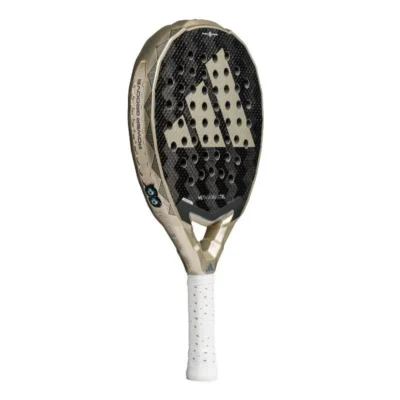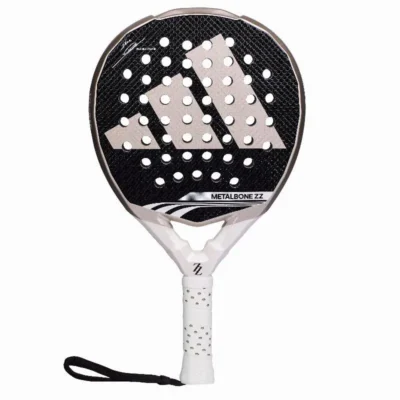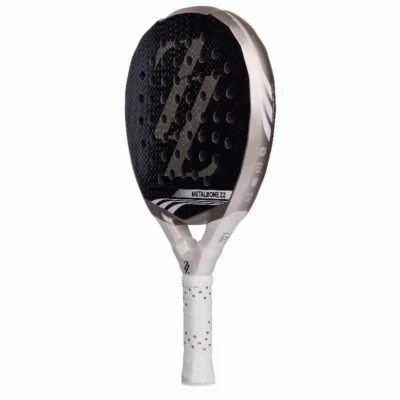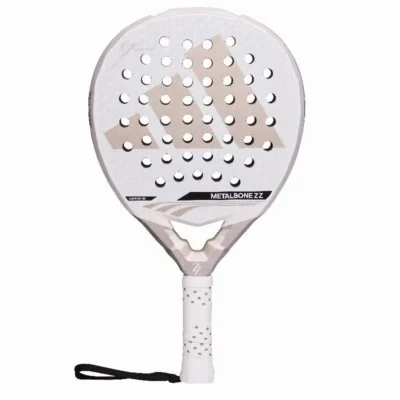
Your first padel rally can feel deceptively familiar. You recognise the volley, the overhead and the competitive instinct to finish the point. Then the ball comes back off the glass, your full tennis swing sends it into the fence, and you realise that switching from tennis to a padel racket is not simply a change of equipment.
Tennis players often progress quickly in padel because they already read the ball well and understand court positioning. But the racket, court and point-building patterns reward different habits. The right padel racket will help you make that adjustment faster, while the wrong one can make an already unfamiliar game feel needlessly difficult.
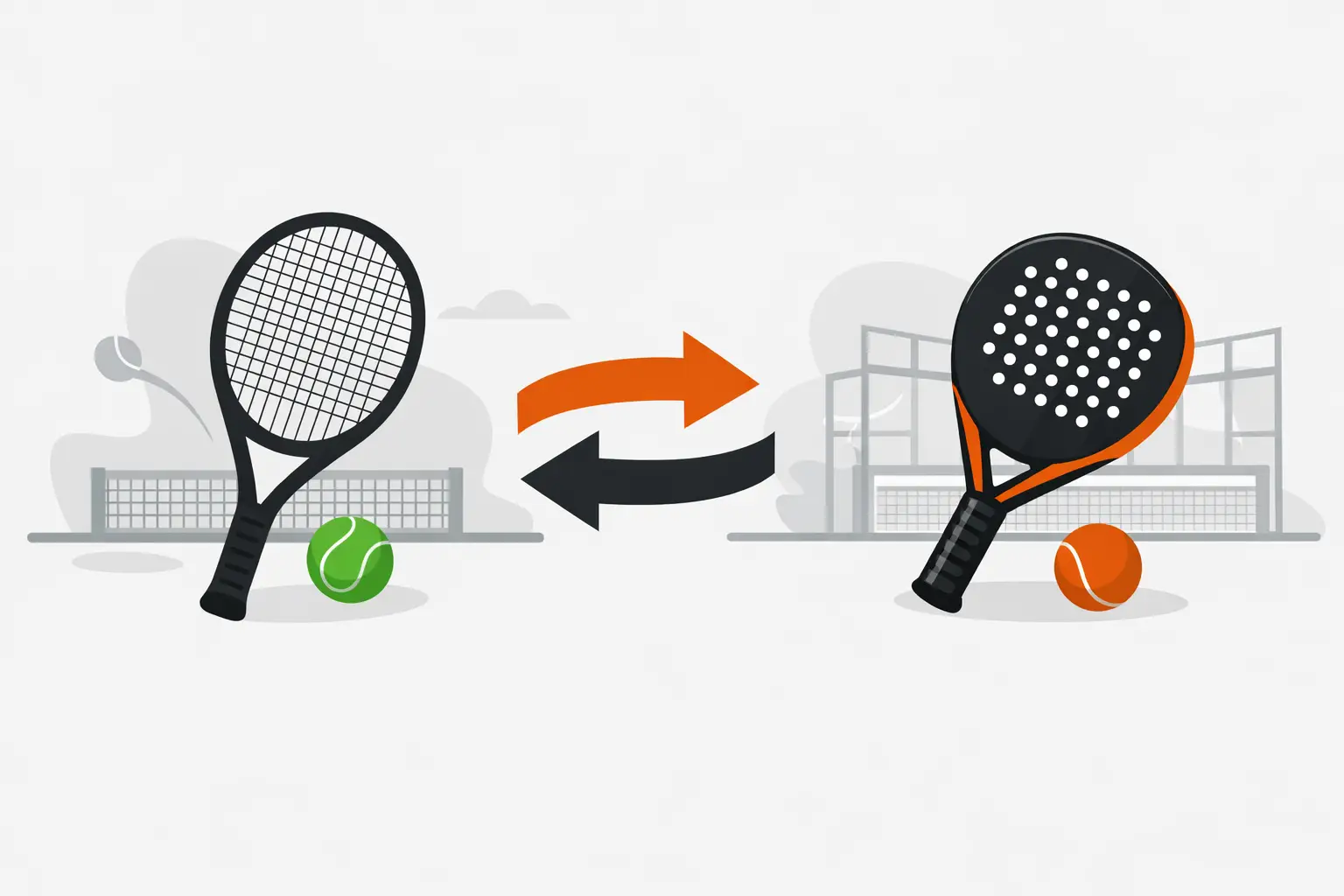
Why a padel racket feels different to a tennis racket
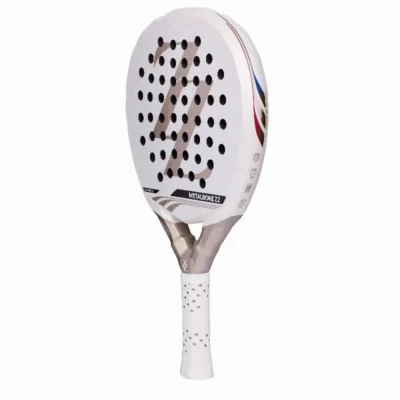
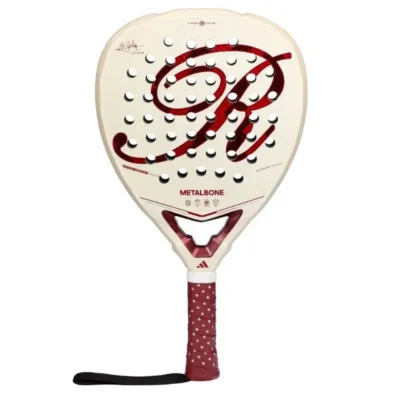
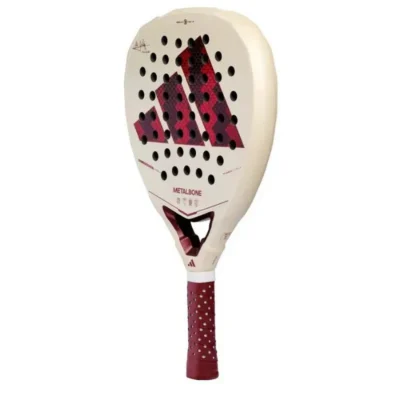
A tennis racket uses strings to create rebound and spin. A padel racket has a solid, perforated face with a foam core. It is shorter, thicker and generally much easier to manoeuvre close to the body. That changes how the ball leaves the racket.
Do not expect the same free power or the same string-bed feedback you get in tennis. Padel rewards a cleaner, more compact contact. You will often generate pace through timing, body rotation and smart placement rather than a large backswing.
The sweet spot is also smaller on many padel rackets, especially power-focused shapes. That is why an experienced tennis player can still benefit from a forgiving padel model. Good hands do not always cancel out the learning curve of a new hitting surface.
Switching from tennis to a padel racket: the biggest adjustments
The most common mistake is treating padel like mini tennis. The court may be smaller, but the tactics are not simply compressed. Glass walls keep points alive, doubles play is central, and patience matters far more than trying to hit a winner on the first short ball.
Shorten the swing
Your tennis forehand may have a long preparation and a fast follow-through. In padel, particularly at the net, that movement is often too big. Keep the racket in front, take the ball early where possible and use a controlled punch through contact.
This does not mean every shot should be soft. It means your power has to be measured. A compact volley aimed at the feet or into the side glass can be much more effective than a hard drive that gives opponents an easy rebound.
Learn to use the walls before trying to avoid them
For new padel players, the glass initially feels like a hazard. In reality, it is an extra part of the court. Letting the ball travel to the back glass can give you more time and often creates a more comfortable height to play your return.
Tennis players are used to moving forward into the ball. In padel, there are moments when moving back, waiting and allowing the rebound is the better decision. Start by practising simple back-wall returns rather than attempting difficult shots off two walls straight away.
Rethink the serve and overhead
Padel serves are underarm and must bounce before contact. Accuracy, variation and your first position after serving matter more than pace. A reliable serve that allows you and your partner to take the net is more valuable than one that looks aggressive but gives away control.
Overheads need a reset too. A tennis smash is designed to end the point. In padel, a hard smash may rebound off the back glass and return to your opponents. The bandeja and vibora, controlled overhead shots played with slice, are often better choices while you learn. They help you hold the net without taking unnecessary risks.
What tennis players should look for in a first padel racket
There is no single best racket for every tennis player. Your previous level, physical strength, preferred game and how often you play all matter. Still, most players moving across from tennis should prioritise control and comfort over maximum power.
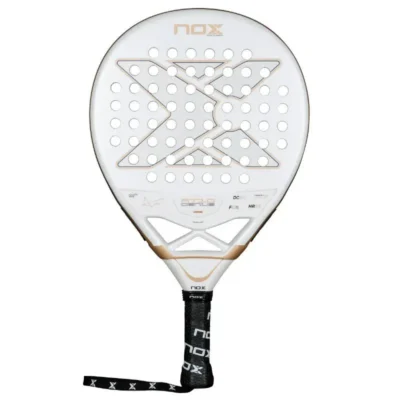
A round racket is usually the safest starting point. It has a larger, more central sweet spot and a lower balance, meaning the weight sits closer to the handle. This makes it easier to manoeuvre for quick volleys, defensive shots near the glass and off-centre contact.
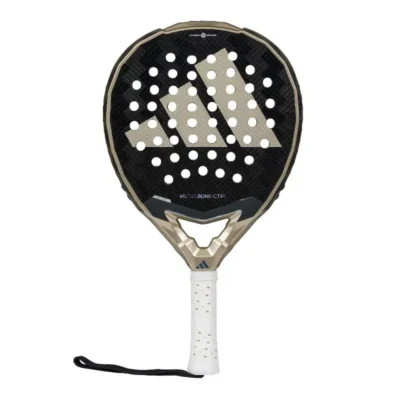
A teardrop or hybrid racket is a strong option if you have solid racket-sport experience and want a little more attacking potential. It offers a balanced blend of control and power, but is normally less forgiving than a round shape. For many club tennis players, this is the shape to consider once basic padel timing feels natural.
Diamond-shaped rackets place more weight towards the head and are built for players who want punch on overheads and attacking shots. They can be brilliant in the right hands, but they demand cleaner technique and can feel slower at the net. If padel is new to you, buying a diamond racket purely because you hit hard in tennis is rarely the smart first move.
Weight, balance and feel matter more than headline power
Most adult padel rackets sit around 350g to 375g. A lighter racket is easier to move and can be kinder on the arm, although it may feel less stable when blocking hard shots. A heavier option can add solidity, but it may tire your wrist or shoulder if you are not used to its balance.
For a first purchase, a medium weight with low or medium balance is usually a dependable choice. It gives enough stability without making rapid exchanges feel cumbersome. If you have had tennis elbow, shoulder pain or wrist issues, avoid jumping straight into a stiff, head-heavy racket. Comfort should be part of performance, not an afterthought.
The core also changes the feel. Softer foam generally offers more comfort and easy ball output, which helps when defending or playing slower shots. A firmer core gives a crisper response and more precision at higher swing speeds, but can feel less forgiving. Neither is automatically better. It depends on whether you need help generating depth or prefer a firmer, more direct response.
Do not choose only by your tennis standard
A strong tennis player may be advanced in tennis but still a beginner in padel. That is not a downgrade. It is a practical way to choose equipment that supports your first months on court.
If you are new to padel, play once or twice a week and want consistent contact, choose a beginner-friendly round racket. If you already understand the walls, can control volleys and regularly play competitive doubles, a hybrid model may suit your all-round game. Save specialised power rackets for when your overhead technique and court awareness can make the most of them.
At 7padel, the simplest route is to shop by level and playing style first, then compare recognised brands and shapes within that group. It keeps the choice clear without assuming that the most expensive racket is automatically your perfect match.
A practical first-session plan with your new racket
Give yourself a few sessions before judging a padel racket. The initial feel will be different from tennis, and your technique needs time to settle. Focus on relaxed contact rather than trying to prove how hard you can hit.
Begin with controlled volleys from the service line, keeping the racket head up and the backswing short. Then practise letting balls reach the back glass before returning them with a calm, open racket face. Finish with simple lobs, because a high, well-placed lob is one of padel’s most useful ways to regain the net.
Pay attention to what feels difficult. If you are late on volleys, the racket may be too head-heavy or you may need a shorter preparation. If defensive balls die on your side, you may need to use more legs and timing rather than immediately assuming you need a harder racket. Equipment helps, but good padel is built around decisions as much as shot-making.
Your tennis background gives you a head start, not a finished padel game. Choose a racket that makes the learning enjoyable, accept the early mishits off the glass, and let control become your first real weapon. The power will still be there when the point calls for it.