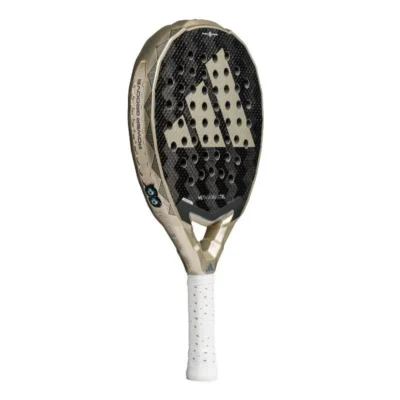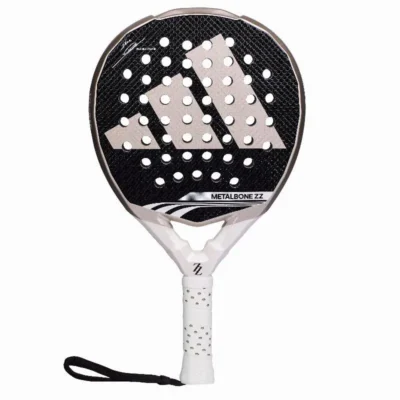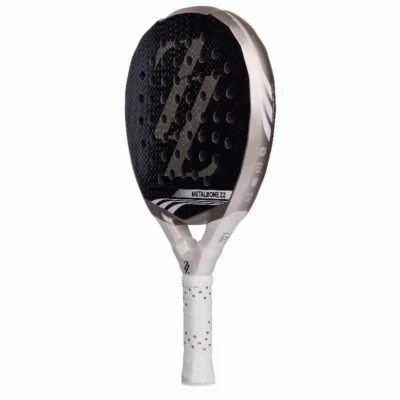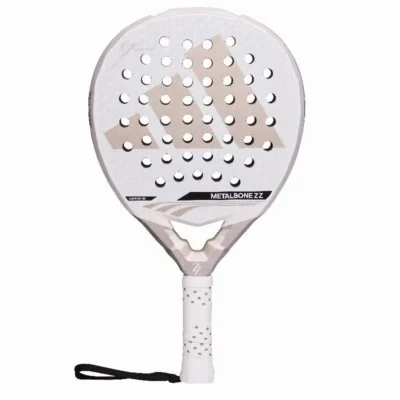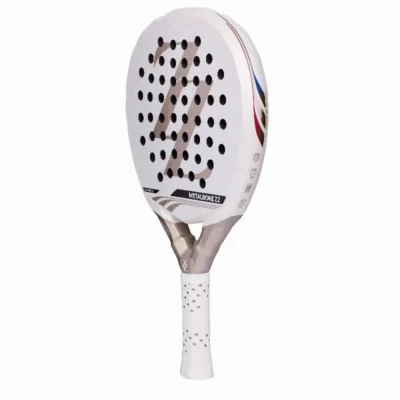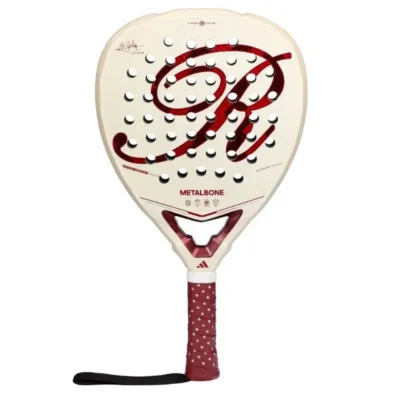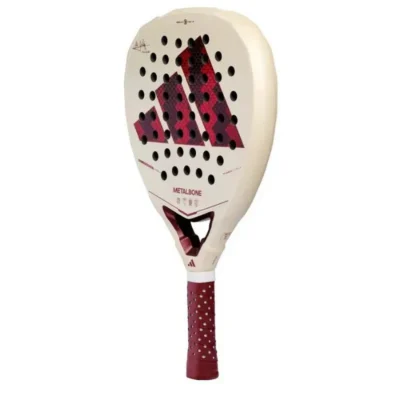

You do not need to understand every technical term on a product page to buy the right racket. But if you want to know how to read padel racket specifications, a few details make a big difference. Weight, balance, shape and surface all affect how the racket feels in hand and how it performs once the rallies speed up.
The problem is that many spec sheets look more complicated than they need to be. Brands use slightly different wording, some measurements are not explained well, and two rackets with similar numbers can still feel very different on court. The good news is that you can read the key specs quickly once you know what each one really means.
How to read padel racket specifications without overthinking it
Start with four basics: shape, weight, balance and materials. Those are the specs that usually tell you the most about whether a racket suits your level and playing style.
If you are new to padel, it is easy to get drawn in by carbon faces, rough finishes and pro-player endorsements. In reality, the right racket is usually the one that gives you better control, easier handling and enough comfort to play well for a full match. A more aggressive spec is not automatically a better choice.
Shape tells you how the racket is designed to play
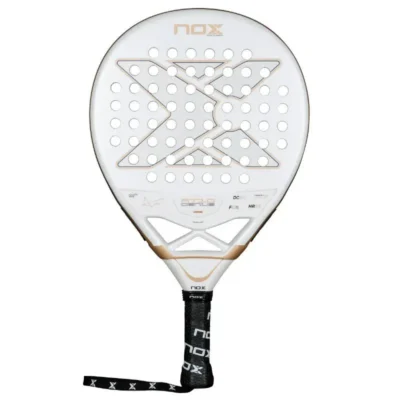
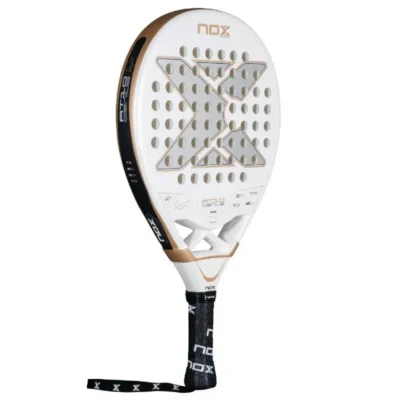
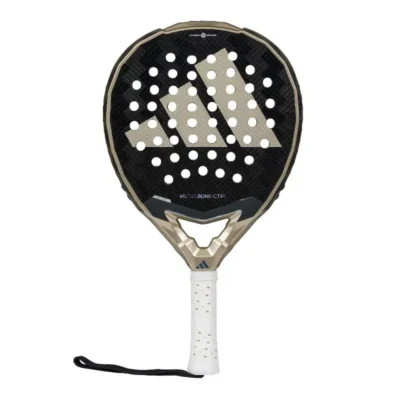
Padel rackets are usually grouped into round, teardrop and diamond shapes. This is often the easiest spec to understand, and one of the most useful.
A round racket is generally the most control-focused option. It tends to have a larger sweet spot and a lower balance, which makes it easier to defend, return balls cleanly and build confidence. Beginners and many intermediate players usually benefit from this shape because it is more forgiving when contact is not perfect.
A teardrop racket sits in the middle. It blends control and power, which is why it is often described as hybrid. If you want an all-round feel and play a mixed game at the net and from the back of the court, this is often the safest place to start.
A diamond racket is usually aimed at players who want more attacking power. The sweet spot is often smaller and higher up the face, so timing matters more. If your technique is still developing, a diamond shape can feel demanding rather than helpful.
Weight affects speed, comfort and stability
Most adult padel rackets sit somewhere around 350g to 375g, though exact ranges vary by brand. Lighter rackets are easier to manoeuvre, especially in fast exchanges and defensive situations. They can also feel kinder on the arm.
Heavier rackets usually offer more stability and more punch through the ball, but they take more effort to move. That can be great if you have solid technique and want extra presence on volleys and smashes. It can also become tiring if the racket is too heavy for your strength or playing frequency.
There is no perfect number for everyone. A beginner who plays once a week may do better with something lighter and easier to control. An advanced player with an aggressive style may prefer a little more mass behind the ball. If you have had elbow or shoulder discomfort before, do not ignore weight just because a racket looks appealing in other areas.
Balance changes how the weight feels
This is one of the most misunderstood specs. Balance is about where the racket’s weight is distributed, not just how much it weighs overall.
A low-balance racket carries more weight closer to the handle. That usually makes it feel quicker in the hand and easier to control. It is a strong option for players who value comfort, reaction speed and consistency.
A high-balance racket puts more weight towards the head. That can help generate power, especially on overheads, but it also makes the racket feel heavier during play. Even if two rackets have the same total weight, the head-heavier one may feel more demanding.
A medium-balance racket aims for versatility. For many club players, this is the sweet spot because it avoids the extremes. If you are undecided between control and power, balance often matters just as much as shape.
Materials matter, but not always in the way people think
When people compare rackets, they often focus first on carbon or fibreglass. That is useful, but it should not be the only thing you judge.
Fibreglass faces usually feel softer and more forgiving. They can help generate easy ball output with less effort, which is often a good match for beginners and casual players. Carbon faces tend to feel firmer and more precise, which can suit stronger hitters and players with more developed technique.
Then there is the core, commonly described as EVA foam or soft foam. A softer core usually offers more comfort and easier power. A harder core often gives more control and a crisper response, but it may feel less forgiving on off-centre shots.
This is where trade-offs matter. A stiff carbon racket with a hard core may sound impressive on paper, but if you do not consistently strike the ball well, it can feel harsh and unforgiving. A softer setup may actually help you win more points because it improves control and comfort.
Surface finish and texture are secondary specs
Many rackets mention rough surfaces, spin texture or sand finish. These features can help add grip on the ball, especially for sliced volleys and spin-heavy shots. They are useful, but they are not usually the first spec to prioritise.
If the racket’s weight, balance and shape are wrong for you, a textured surface will not fix that. Think of finish as a bonus feature once the main fit is right.
Hole pattern and frame construction can influence feel
Some brands talk about hole distribution, tubular construction or reinforcement technologies. These details can affect sweet spot size, stiffness and durability, but they are harder to compare directly between brands.
This is where shopping by broad playing category often works better than trying to decode every marketing term. If a racket is positioned clearly as control, hybrid or power, that usually gives you a more practical signal than a long list of branded tech names.
How to match the specs to your level
If you are just starting out, look for a round or hybrid shape, medium to light weight, and a softer feel. You want a racket that helps you learn timing and control rather than one that punishes small mistakes. Comfort matters more than raw power.
If you are an intermediate player, your choice depends on what you are trying to improve. If you want more precision and consistency, stay closer to round or hybrid models with manageable balance. If your technique is solid and you want more attacking punch, you can start moving towards a firmer face or a slightly higher balance.
If you are advanced, the spec sheet becomes more about fine tuning. You may prefer a head-heavier racket for overheads, or a firmer construction for faster volleys and better response under pressure. Even then, the best option still depends on your game. Not every advanced player wants an extreme power racket.
Read the spec sheet as a whole, not line by line
One common mistake is buying based on a single number. A light racket sounds easy to use, but if it has a high balance and hard feel, it may not feel easy at all. A diamond racket sounds powerful, but if the core is soft and the weight is moderate, it may still be quite approachable.
That is why the best way to understand how to read padel racket specifications is to combine the information rather than isolate it. Shape tells you the racket’s general purpose. Weight and balance tell you how it will move. Materials tell you how it will feel on contact. Put those together, and the buying decision becomes much clearer.
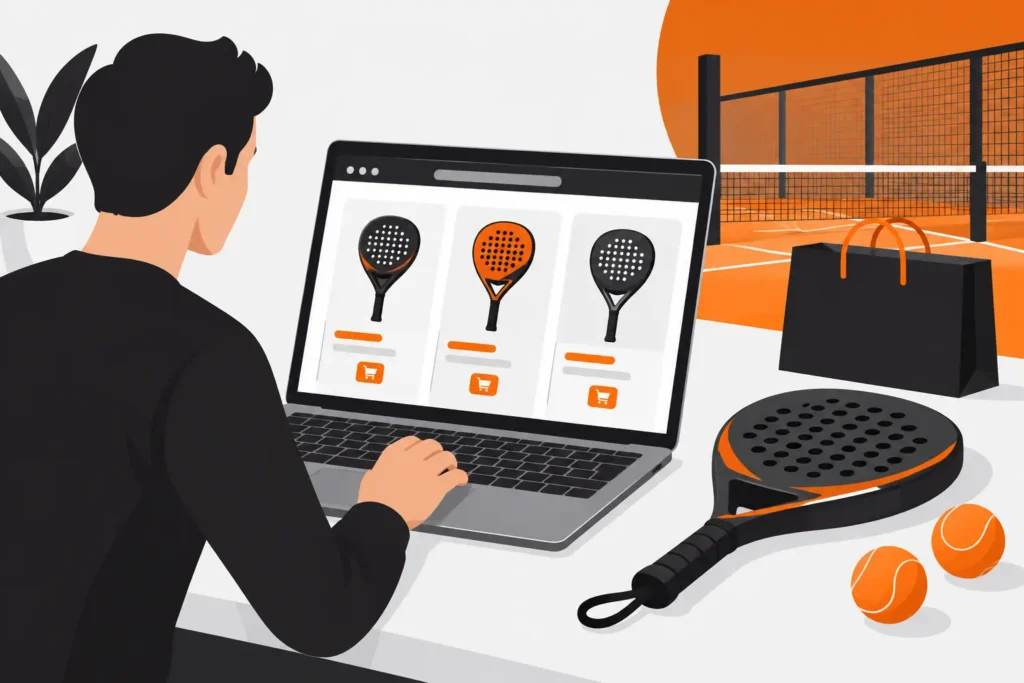
If you are browsing online, it helps to filter by level and playing style first, then compare specs within that shortlist. That approach is usually faster and more reliable than starting with technical jargon and trying to work backwards. At 7padel, that is exactly why rackets are organised by beginner, intermediate and advanced level, as well as control, hybrid and power types.
What to ignore when shopping online
Do not get too impressed by pro endorsements. Professional players often use customised versions, and even when they do not, their needs are very different from most club players.
Also be careful with words like power, explosive or elite. These labels are useful as rough indicators, but they are still marketing language. Always check what sits underneath them in the actual specs.
And finally, do not assume the most expensive racket is the best fit. A racket that suits your level will almost always perform better than a premium model that looks exciting but feels too demanding.
The best racket choice usually feels obvious after you narrow it down properly. If the specs match your level, your style and your comfort needs, you are already most of the way there. Shop smart, trust the basics, and let the racket help your game rather than complicate it.