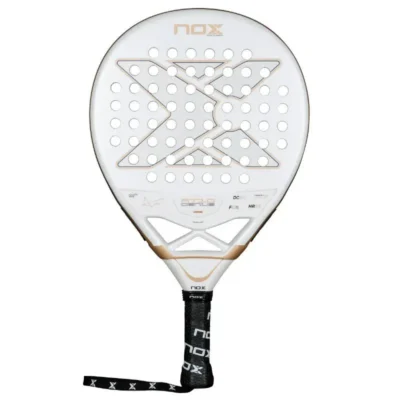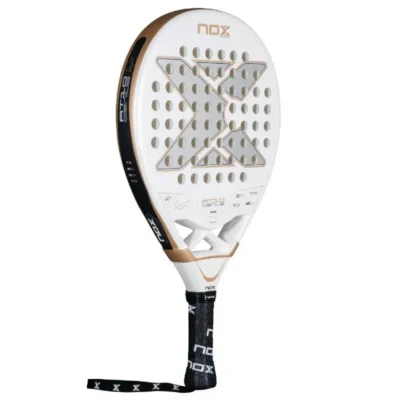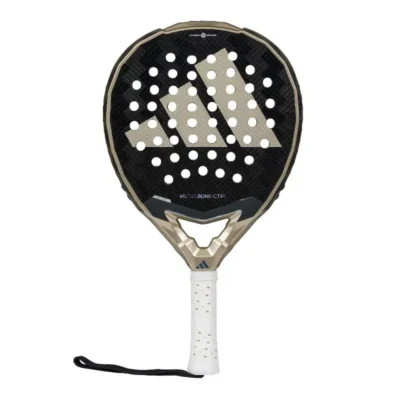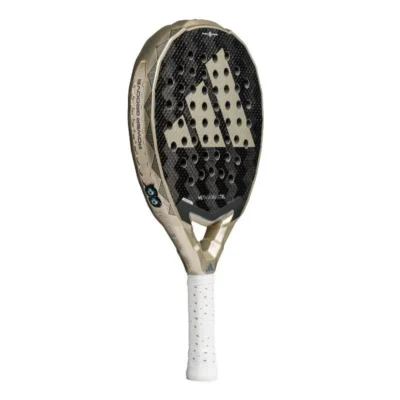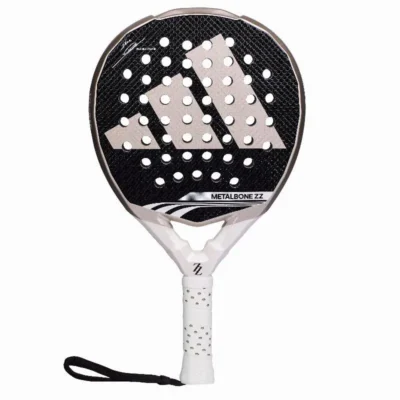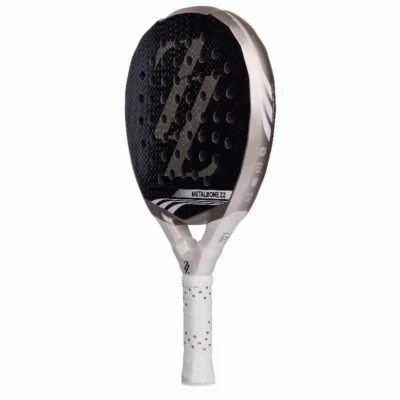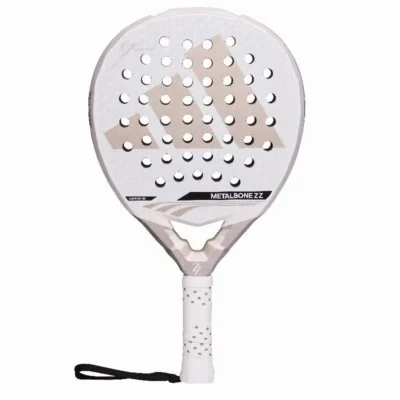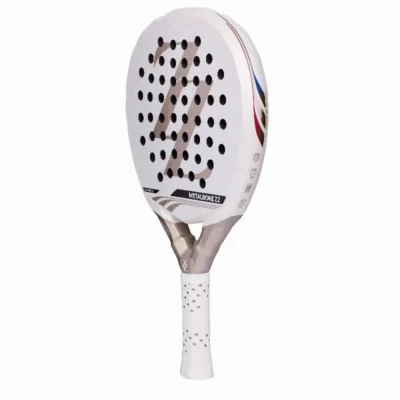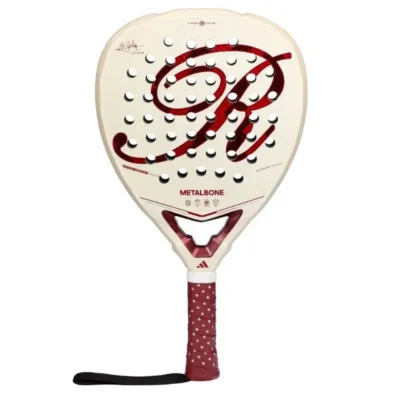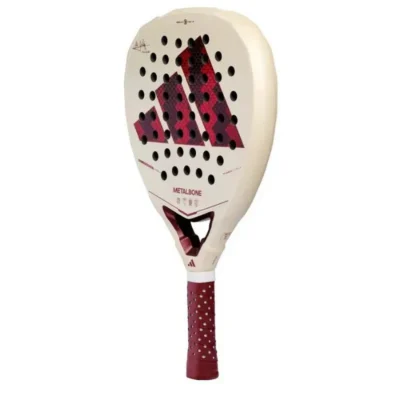
You feel it straight away on court. One racket helps you keep more balls in play, defend comfortably and find the middle more often. Another feels lively and dangerous overhead, but suddenly your timing has to be sharper. If you are asking which padel racket shape is right for you, the answer usually comes down to three things – your level, your style, and how much forgiveness you want.
Shape is one of the quickest ways to narrow the field when you are shopping for a racket. It will not tell you everything on its own, because weight, balance, foam and surface also matter, but it gives you a very reliable starting point. Get the shape right, and the rest of the choice becomes much easier.
Which padel racket shape means in practice
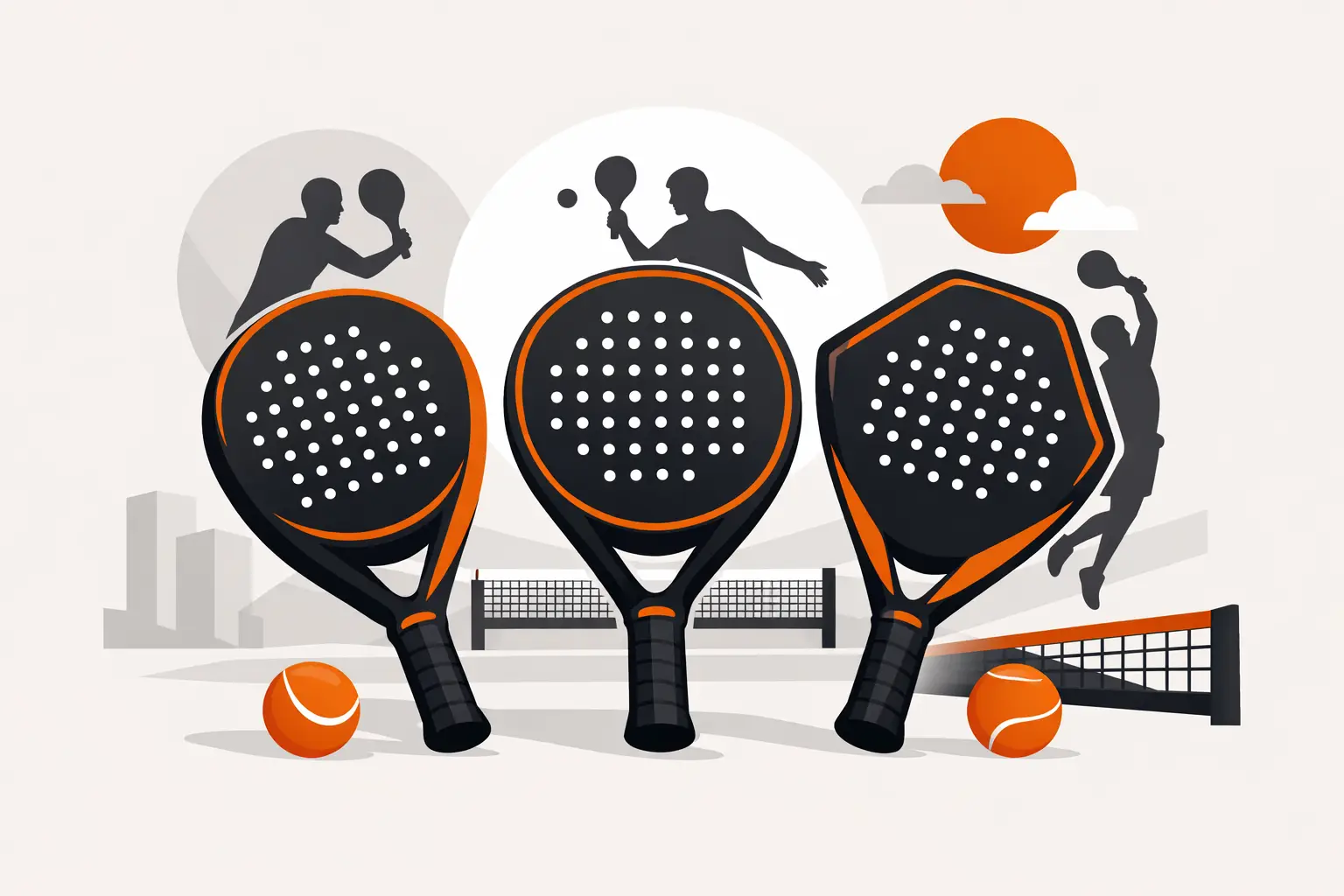
Most padel rackets fall into three main shape categories: round, teardrop and diamond. These shapes influence how the weight is distributed, where the sweet spot sits, and how easy the racket feels when you are under pressure.
That matters because padel is not played in perfect conditions. You are stretching for low balls, reacting at the glass, trying to defend in awkward positions and then suddenly looking to finish points at the net. The right shape should help the way you actually play, not just the way you would like to play on your best day.
Round shape
A round racket is usually the easiest option to use. The sweet spot tends to be larger and more central, which makes contact feel more forgiving. Balance is often lower too, so the racket feels easier to manoeuvre in defence and on quick exchanges.
For beginners, this is usually the safest place to start. You get more control, more comfort and fewer punishments for slight mishits. If your priority is learning proper technique, returning more balls and building confidence, round makes a lot of sense.
That does not mean round is only for new players. Plenty of experienced players still prefer it because it gives them consistency, touch and stability. If your game is built around placement, resets, lobs and smart construction of points, a round racket can still be the right tool.
Teardrop shape
Teardrop sits in the middle. It is the hybrid option and, for many players, the most versatile. The sweet spot is usually a bit higher than on a round racket, and the balance tends to be more neutral or slightly head-heavy.
This gives you a blend of control and power. You still get a reasonably forgiving feel, but with more attacking potential when you speed up the ball or look to finish overheads. If you are improving quickly or want one racket that handles a bit of everything, teardrop is often the most practical choice.
Intermediate players often land here because they no longer want a very control-focused racket, but they are not ready to sacrifice too much forgiveness either. If you play an all-round game and do not want your racket pushing you too far in one direction, teardrop is a strong match.
Diamond shape
Diamond rackets are built more for power. The sweet spot is usually higher up, and the balance is often more head-heavy. That extra mass in the top of the racket can help generate more punch on smashes, viboras and aggressive volleys.
The trade-off is control and ease of use. Diamond shapes are usually less forgiving on off-centre contact, especially if the racket is also stiff or heavy. For advanced players with fast swings and solid timing, that can be a worthwhile trade. For newer players, it often leads to more errors than winners.
If you naturally play forward, like to take balls early and want help finishing points, diamond can feel brilliant. But only if you can handle it. A racket that feels powerful for ten minutes can start to feel demanding after a full match.
Which padel racket shape is best for your level?
Your standard on court matters more than your ambition when choosing shape. Everyone likes the idea of a powerful racket, but your current game should lead the decision.
Beginners
If you are new to padel, round is usually the best choice. It helps with control, keeps the racket manageable and gives you a better chance of clean contact while you are still learning positioning and timing. A beginner-friendly teardrop can also work, but only if it remains light and forgiving.
Many new players buy too advanced a racket because they want something to grow into. In reality, a more forgiving shape helps you improve faster because you can focus on the game instead of fighting your equipment.
Intermediate players
This is where teardrop becomes very attractive. Once you are comfortable with the basics, a hybrid shape can give you more punch without making defence too difficult. If your game is becoming more complete, teardrop often gives the best balance between support and performance.
That said, intermediate players are a broad group. If you still rely heavily on control and consistency, round may suit you better. If you are an aggressive intermediate with strong overheads, an easier-to-handle diamond could be worth a look.
Advanced players
Advanced players can choose more freely because they usually have the technique to make different shapes work. The question shifts from what is easiest to what best suits your match style.
Control-minded advanced players may still choose round. All-round players often prefer teardrop. Attack-first players often move towards diamond. At this level, there is no universal best shape – only the shape that fits how you win points.
Match the shape to your playing style
If level tells you what you can handle, style tells you what you should prioritise.
A defensive player who spends time absorbing pressure, using the glass and building points patiently will often feel more comfortable with round. It keeps the racket quick in hand and makes difficult contacts less punishing.
An all-court player usually gets the best of both worlds with teardrop. You can defend well enough, attack when chances come, and avoid the extremes of a purely control or purely power-focused setup.
An aggressive player who wants to dominate at the net and finish with overheads may lean towards diamond. The extra weight in the head can reward a committed attacking game, particularly if you already generate good racket speed.
It is worth being honest here. A lot of players describe themselves as aggressive when they are actually still developing the consistency needed to support that style. If that sounds familiar, teardrop is often the smarter buy.
Shape is not everything
Two rackets with the same shape can still feel very different. That is why shape should be your starting filter, not your only one.
Weight changes how tiring the racket feels over time. Balance changes how quickly it moves through the air. A softer core can add comfort and easy power, while a harder feel can improve precision but demand cleaner technique. Even the roughness of the face can influence confidence on spin shots.
So if you are choosing between two teardrop rackets, for example, do not assume they will play the same. One may be ideal for a progressing club player, while the other is clearly built for someone stronger and more advanced.
Common mistakes when choosing a racket shape
The biggest mistake is buying for image rather than performance. A diamond racket may look like the exciting choice, but if it costs you control on returns and defence, it is not helping your game.
Another mistake is ignoring comfort. A racket that feels too demanding can wear you down during long matches or repeated sessions. Especially if you play regularly, a slightly easier shape often gives better results over time.
The third mistake is thinking there is one perfect answer forever. Your ideal shape can change as your game develops. A beginner may start with round, move to teardrop after a season, and later decide between a control-focused round or a power-driven diamond depending on how they play.
A simple way to choose
If you want the fastest route to the right decision, keep it straightforward. Choose round if you want maximum control, forgiveness and ease of use. Choose teardrop if you want balance and versatility. Choose diamond if you are an attacking player with the technique to handle a more demanding racket.
That simple framework works for most shoppers because it mirrors how rackets behave in real play. It also makes comparing brands much easier, whether you are looking at Adidas, Babolat, Bullpadel, Head, Nox, Starvie or Wilson.
The right racket shape should make padel feel clearer, not more complicated. If you are still unsure which padel racket shape suits you, lean towards the option that gives you more control and confidence now. You will enjoy your matches more, improve faster, and shop smarter when the time comes for your next upgrade.