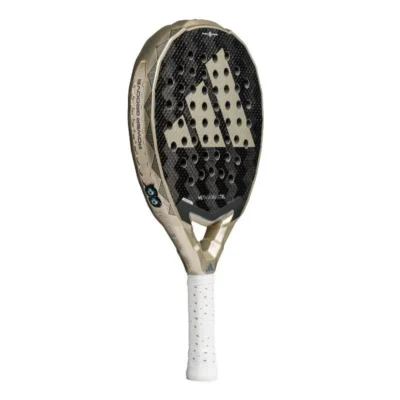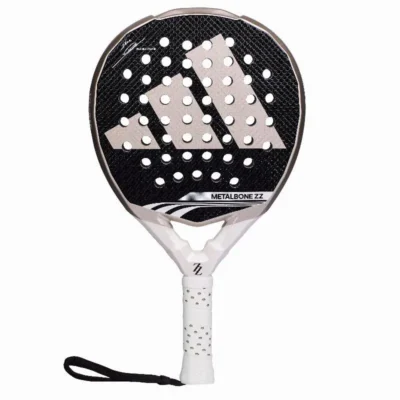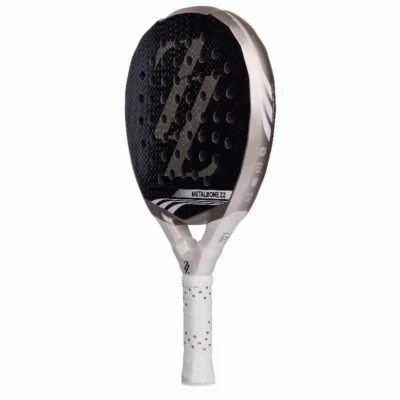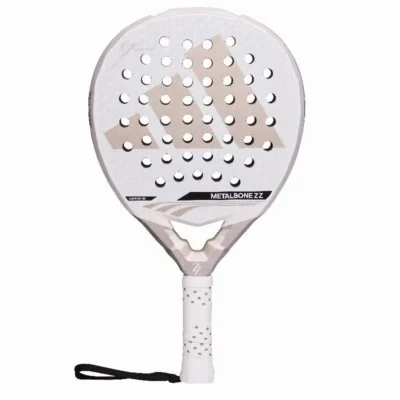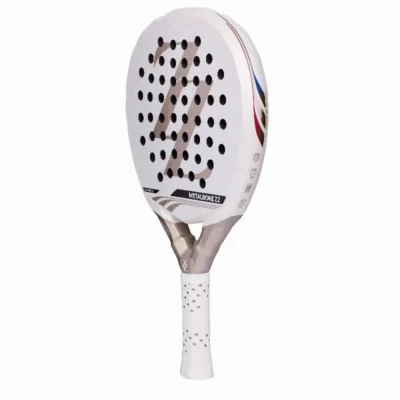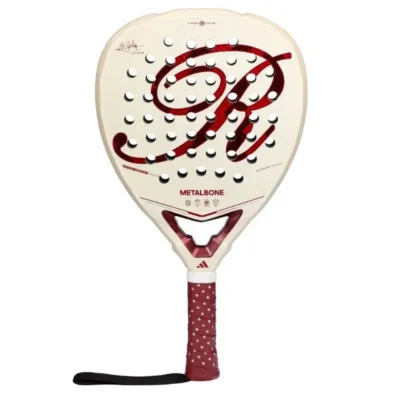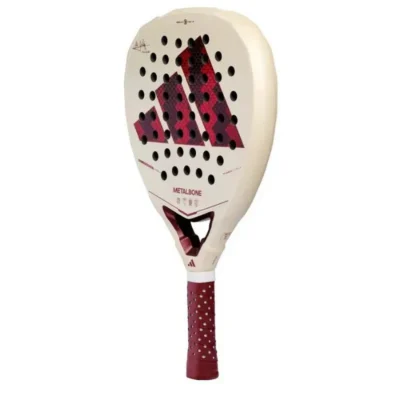

A cheap racket that feels wrong in your hand is not a bargain. The same goes for heavy shoes that slow you down or balls that lose pressure after a single match. Knowing how to shop padel gear starts with buying for the player you are now, not the player you hope to be after a few great games.
Padel equipment should make the game more enjoyable, more comfortable and easier to learn. You do not need the most expensive racket on the court. You need one that suits your level, your playing style and how often you play. Start there, then add the essentials that will genuinely improve your time on court.
How to shop padel gear: start with your racket
Your racket is the biggest decision because it affects every shot. It influences how easily you can control the ball, how much help you get with power and how tired your arm feels after a match. Before comparing brands or discounts, be honest about your experience level.
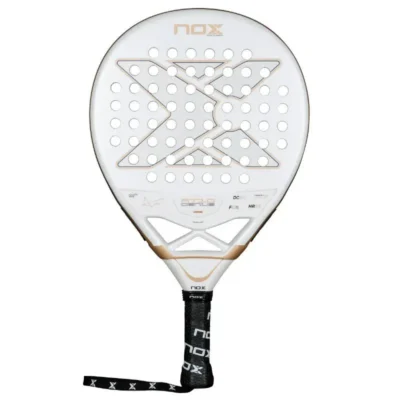
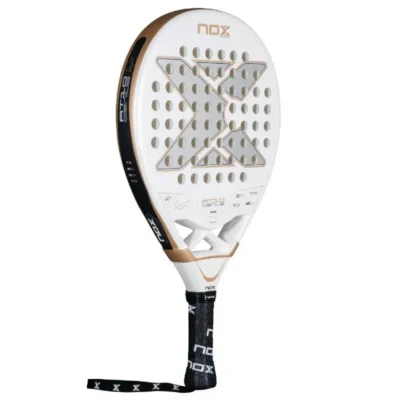
Beginners usually get the best results from a racket with a large sweet spot, a forgiving feel and a lower or medium balance. These rackets help when contact is not perfectly centred, which is normal while you are learning positioning, volleys and the glass. A round-shaped racket is often the safest place to start because its balance sits closer to the handle and gives you more control.
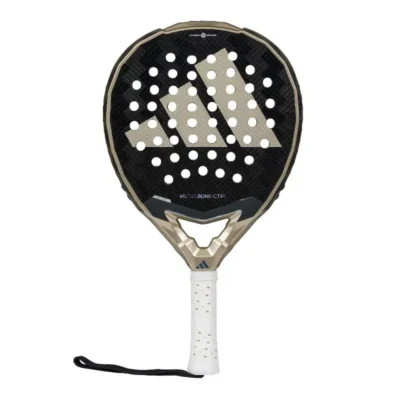
Intermediate players can look for a little more response and versatility. At this stage, you may know whether you prefer constructing points patiently or finishing them quickly at the net. A teardrop or hybrid racket usually offers a useful middle ground: enough control for defence and enough punch for overheads.
Advanced players can be more specific. If you attack regularly, hit aggressive bandejas and viboras, or enjoy putting the ball away, a diamond-shaped, higher-balance racket may suit you. The trade-off is clear: more potential power can mean a smaller sweet spot and less forgiveness. It rewards good technique but can feel demanding on off-centre shots.
Choose shape before chasing power
Racket shape gives you a fast way to narrow the choice. Round rackets are control-focused and friendly for newer players. Hybrid and teardrop models are designed for all-round play. Diamond rackets favour attacking power, particularly for confident players who hit above shoulder height often.
Do not assume that a power racket will instantly make your smash stronger. Timing, technique and positioning matter far more. A racket that you can control well will usually help you win more points than one that only feels brilliant on the occasional clean overhead.
Get the weight and balance right
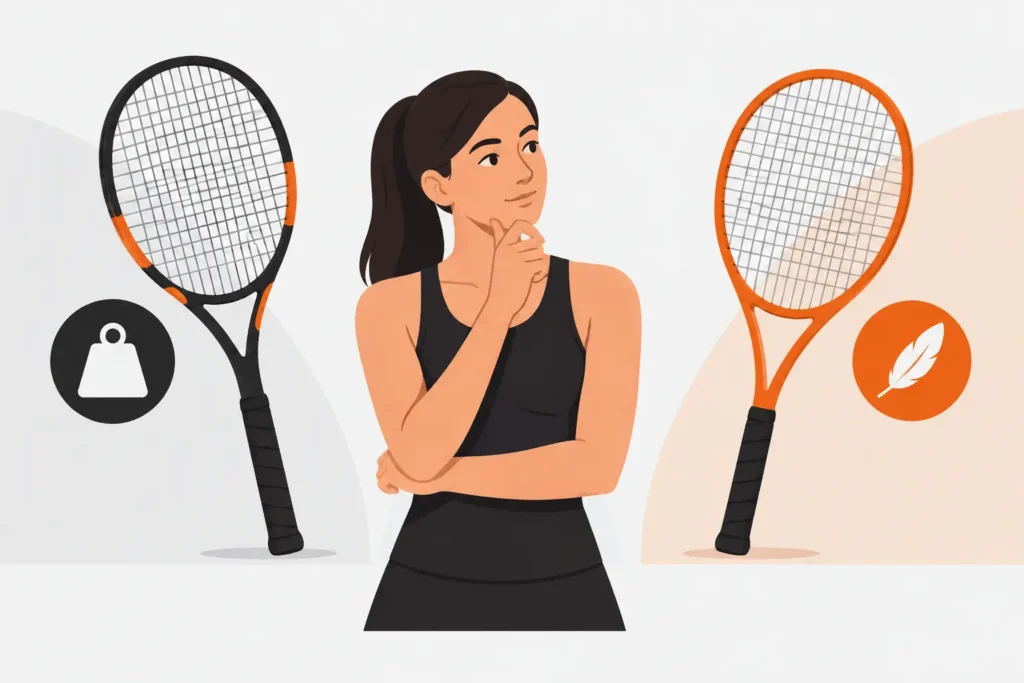
Most adult padel rackets sit roughly between 350g and 375g, but the number alone does not tell the whole story. Balance matters just as much. A head-heavy racket can feel more forceful through the ball, while a lower-balance racket tends to feel quicker and easier to manoeuvre at the net.
If you are new to padel, play once a week, or have had elbow or shoulder discomfort, avoid choosing the heaviest and most head-heavy option just because it is discounted. A manageable racket will help you practise longer with better technique. Players who are strong, experienced and comfortable generating their own swing speed may prefer more weight, but this is personal rather than a badge of progress.
Grip size is less fixed in padel than in tennis because overgrips are commonly used to build up the handle. Your hand should feel secure without forcing you to squeeze tightly. If the handle is slightly slim, add an overgrip. It is a small, low-cost adjustment that can improve comfort and control straight away.
Match the racket material to your game
You will often see fibreglass and carbon on racket descriptions. Fibreglass faces generally feel softer and more forgiving, making them a sensible choice for beginners and players who value comfort. Carbon faces are often firmer and more reactive, offering a crisper response for players with more consistent technique.
More carbon is not automatically better. A firmer racket can feel excellent when you strike the ball cleanly, but it may feel less comfortable if your game is still developing. Core materials also change the feel, with softer cores tending to offer comfort and easy ball output, while harder cores provide a sharper, more direct response.
Use product specifications as guidance, not as a substitute for common sense. If you are torn between two similar models, choose the one designed for your level and preferred style rather than the one with the longest technical description.
Buy balls that suit how often you play
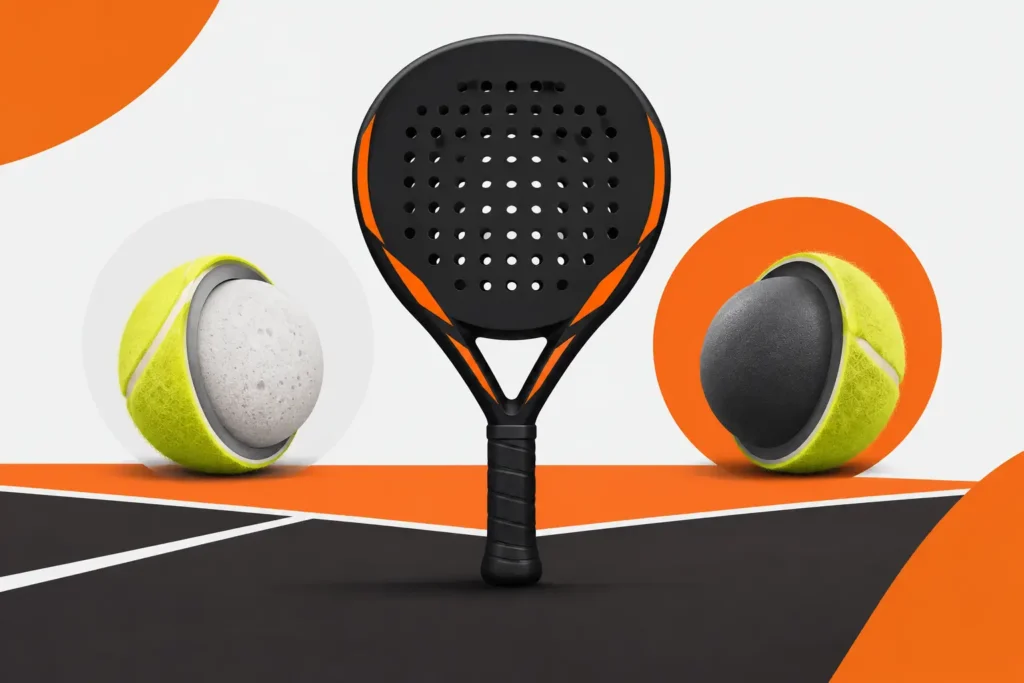
Padel balls may look similar, but freshness matters. New balls bounce more consistently, travel more predictably and make matches more enjoyable. If you play socially once in a while, standard pressurised balls are a practical choice. If you play several times a week, buying tubes in larger quantities can work out better value, provided you will use them before they sit around too long.
Faster balls can feel lively, particularly in warm conditions. More durable options may hold up better for frequent training. There is no need to overthink your first purchase: choose quality balls from a recognised padel brand, then notice how long they keep their bounce on your usual court. That experience will tell you more than a label ever can.
Keep unopened tubes somewhere cool and dry. Heat and long storage can affect performance, so do not leave a season’s supply in the boot of your car.
Do not treat padel shoes as an afterthought
A racket gets the attention, but shoes carry you through every split step, sprint and quick change of direction. Running shoes are not ideal for padel. They are made mainly for moving forward, while padel demands side-to-side stability and grip on artificial turf, often with sand on the surface.
Look for a supportive upper, a stable heel and an outsole designed for padel or clay-style courts. Herringbone patterns are popular because they help manage movement and allow controlled sliding. The best choice depends on the surface where you play most. If your club has a particularly sandy court, grip and durability deserve extra attention.
Fit matters more than the logo. Your toes should have a little room, your heel should not lift, and the shoe should feel stable when you move laterally. Try not to buy shoes that are too tight in the hope that they will stretch significantly. A comfortable fit helps you stay focused on the point rather than your feet.
Add accessories that solve a real problem
Once the racket, balls and shoes are sorted, accessories become useful rather than clutter. An overgrip helps with sweat and gives you a fresher, more secure hold. A wrist strap is normally included with the racket and should always be used. A simple padel bag protects your racket during travel and keeps balls, grips and water in one place.
If you play outdoors in brighter weather, a cap or visor can be genuinely useful when serving or tracking lobs. In colder months, a small towel and spare overgrips are also worth carrying. You do not need every accessory at once. Build your kit around what your sessions reveal: sweaty hands, a scuffed racket frame, wet clothing or nowhere sensible to store your gear.
Shop online with a clear checklist
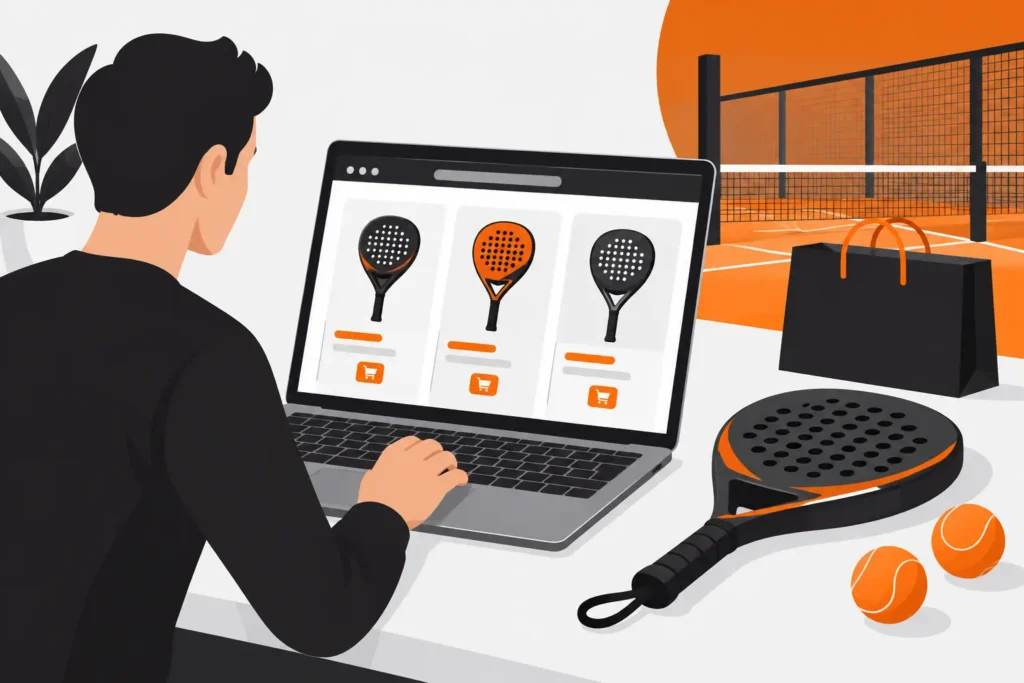
Online shopping gives you access to more brands, prices and specifications, but it works best when you filter rather than browse endlessly. Start with your level, then choose your preferred racket type: control, hybrid or power. Set a realistic budget and compare a few models rather than twenty.
Check the listed weight range, shape, balance and intended player level. Read the product details closely, especially if you are buying a higher-performance racket. Also check delivery costs, return terms and whether the retailer gives you enough time to decide. A clear money-back policy reduces the risk of trying a racket that simply does not feel right.
At 7padel, the quickest route is to shop by level and playing style, then use the available brand and price options to narrow your shortlist. This keeps the decision practical: find a racket that fits your game first, then take advantage of a good deal.
Avoid buying a racket solely because a professional player uses it. Their swing speed, strength and training time are unlikely to match yours, and their racket may be built for demands you do not yet have. The better purchase is the one you will enjoy using in every defensive lob, quick volley and long third set.
Your padel gear does not need to be perfect on day one. Choose a racket you can trust, shoes that let you move freely and fresh balls for your next match. Then let your game guide the next upgrade.