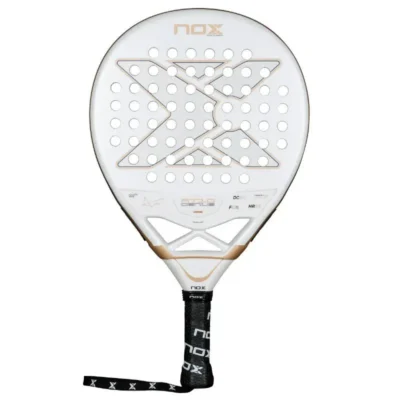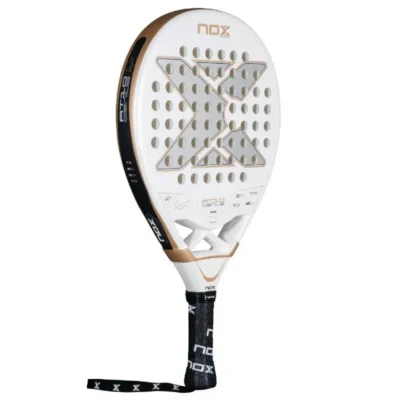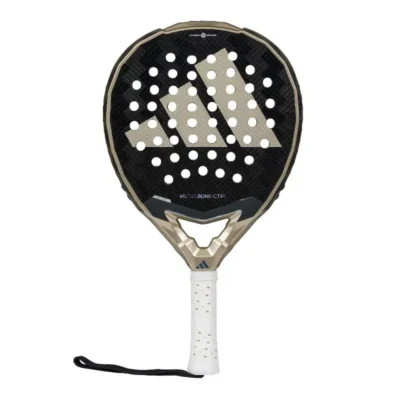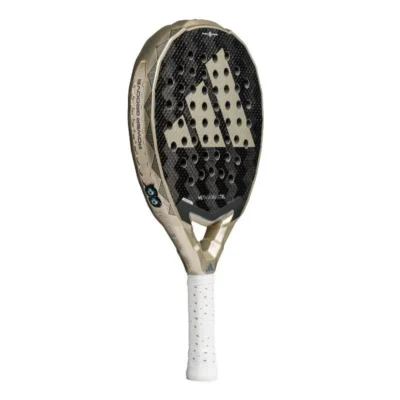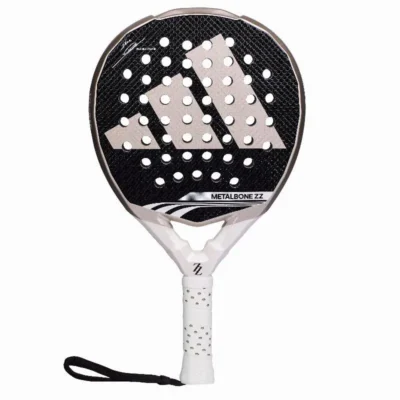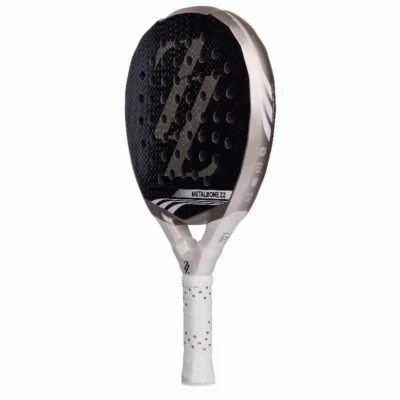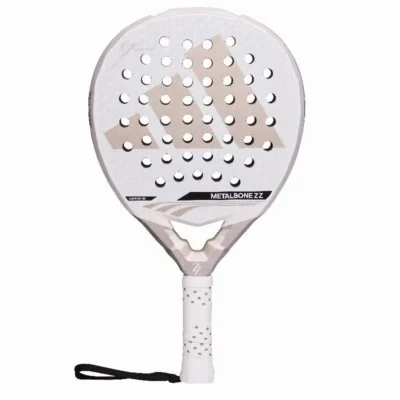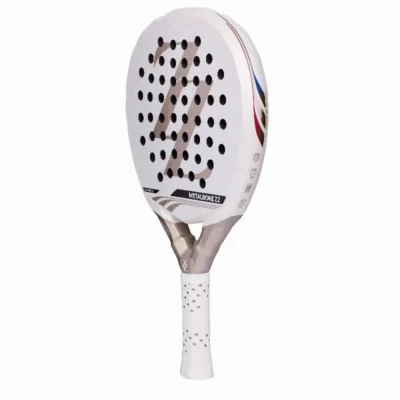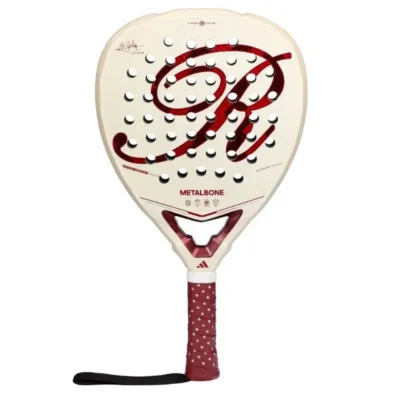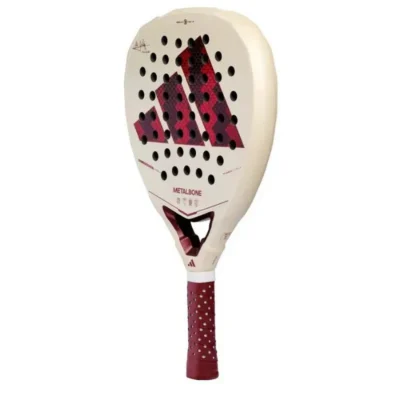
That first scrape against the glass or fence is enough to make most players look straight at the top of their racket. A racket protector for padel is a simple accessory, but it can save the frame from chips, scuffs and the gradual wear that comes with regular matches. The question is not whether it looks useful. It is whether it suits your racket, your playing style and the way you want it to feel in your hand.
For many players, especially those using a premium carbon racket, the answer is yes. A protector is affordable, quick to fit and far easier to replace than a damaged racket. But it is not a magic shield, and the wrong choice can slightly alter balance or hide damage that needs attention.
What does a padel racket protector do?
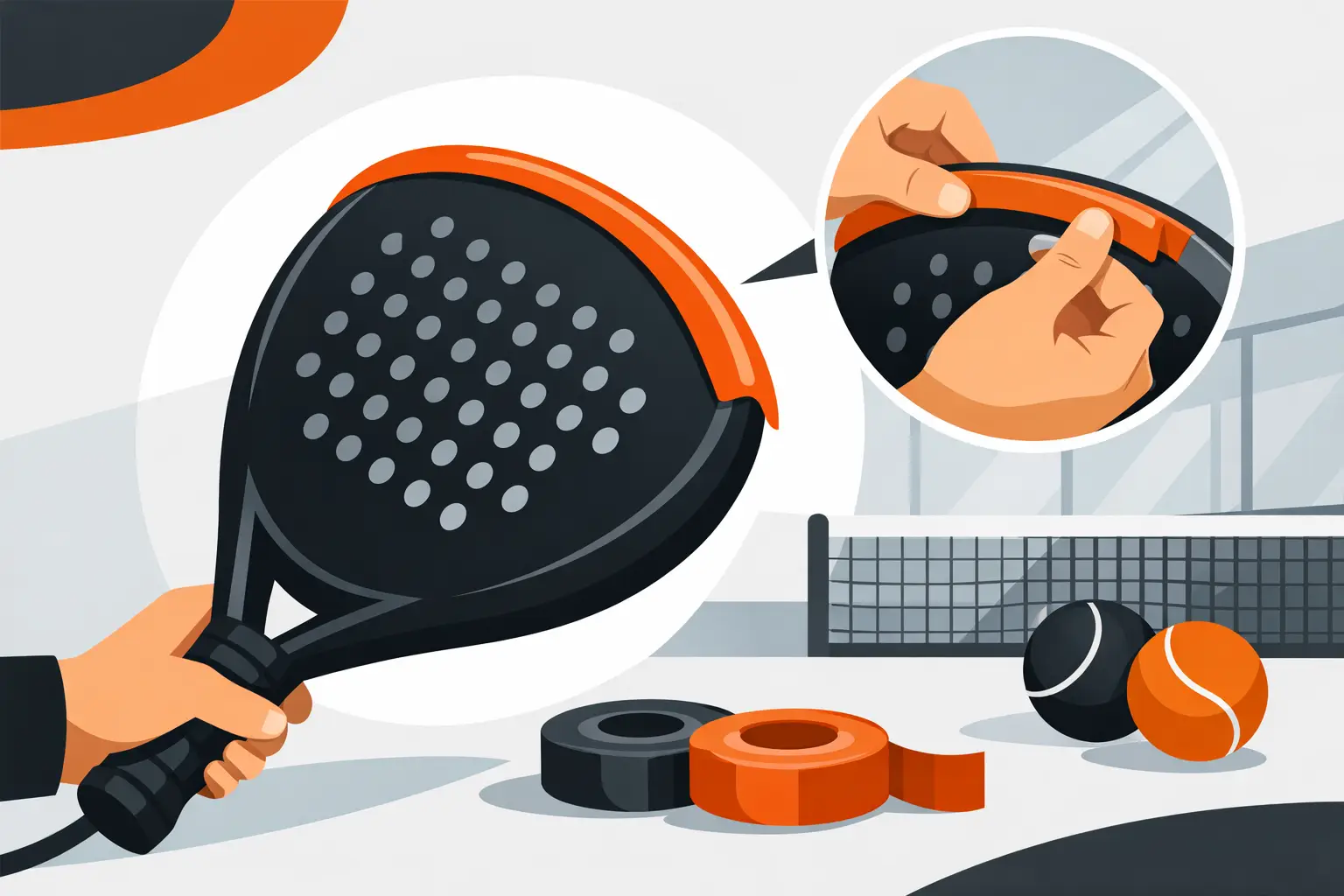
A padel racket protector is usually a strip of adhesive material placed around the upper edge of the racket frame. This is the area most likely to hit the court, glass, metal fencing or another racket during a fast point. It creates a sacrificial layer between the frame and the impact surface.
Most protectors are made from durable PVC, polyurethane or similar synthetic materials. Some are thin and nearly unnoticeable once fitted. Others are thicker, textured or reinforced for players who regularly defend close to the glass and put their racket through tougher contact.
The main benefit is protection from cosmetic damage and light knocks. Small chips in the paint may not affect performance immediately, but repeated impacts can weaken the outer finish and expose the frame to more wear. On an expensive racket, protecting the top edge makes practical sense.
A protector will not prevent every problem. A hard collision, a crack caused by structural stress or a direct hit on the face can still damage the racket. Think of it as sensible insurance for everyday contact, not a reason to take unnecessary risks around the court.
Who should use a racket protector for padel?
Beginners often benefit because they are still learning court positioning, timing and how close they can safely play to the glass. It is common to catch the frame when chasing a low ball or reacting late at the net. A protector gives new players a little more reassurance while they build confidence.
Intermediate players may get even more value from one. At this level, points become faster, defensive shots come closer to the walls and players are more willing to stretch for difficult balls. If you play several times a week, minor contact soon adds up.
Advanced players should consider the balance trade-off before fitting a thick model. If you use a light, manoeuvrable control racket, extra material at the top can make it feel marginally more head-heavy. Many experienced players still use protectors, but they tend to choose a thin version that offers coverage without changing the racket’s character too much.
Your usual court also matters. Outdoor courts, rough surfaces and busy club sessions can be harder on equipment than a carefully maintained indoor court. Players who frequently hit the mesh fencing or play aggressive defensive shots have a stronger case for fitting one.
The trade-off: protection versus racket balance
The biggest reason some players avoid protectors is weight. Even a light strip adds a few grams, and those grams sit at the top of the frame. That position has more effect on balance than the same weight near the handle.
On a power or diamond-shaped racket, which already tends to carry weight higher in the head, a heavy protector may make the racket feel slower through quick volleys and defensive blocks. It can also increase the effort needed over a long match. If your racket already feels demanding, choose the lightest possible option or skip the protector altogether.
On a round control racket with a lower balance, the change may be less noticeable. Some players even like the slightly firmer, more substantial feel at the top. There is no universal answer because racket weight, balance, swing speed and personal preference all play a part.
If you are unsure, start with a thin protector rather than the toughest version available. You can always replace it later if you need more coverage. It is harder to enjoy a racket when it no longer feels like the one you chose in the first place.
How to choose the right padel racket protector
Start with the frame shape. Most protectors are designed to wrap around the top edge, but racket profiles vary. A wide-frame model needs enough material to cover the exposed area without folding over the face. A narrow frame may suit a slimmer strip that follows the curve neatly.
Thickness is the next decision. Thin protectors are best for players who want minimal impact on balance and a clean look. Standard protectors offer a useful middle ground for most club players. Reinforced protectors are made for frequent court contact, but they are usually heavier and more visible.
Adhesion matters too. You want a protector that stays in place through sweat, changing temperatures and regular bag use, without leaving excessive residue when it is time to change it. A poorly fitted strip can lift at the edges, collect dirt and become more annoying than helpful.
Colour is mostly personal preference. Transparent protectors keep the original design visible, while black or coloured options can give a worn frame a cleaner appearance. Do not choose by looks alone, though. A well-fitting clear protector is more useful than a stylish one that starts peeling after two sessions.
Before buying, check whether your racket already has an integrated frame protector. Some models include a reinforced top section as part of their construction. You may still want extra coverage, but adding a thick adhesive protector on top could be unnecessary and may noticeably affect the feel.
How to fit a racket protector properly
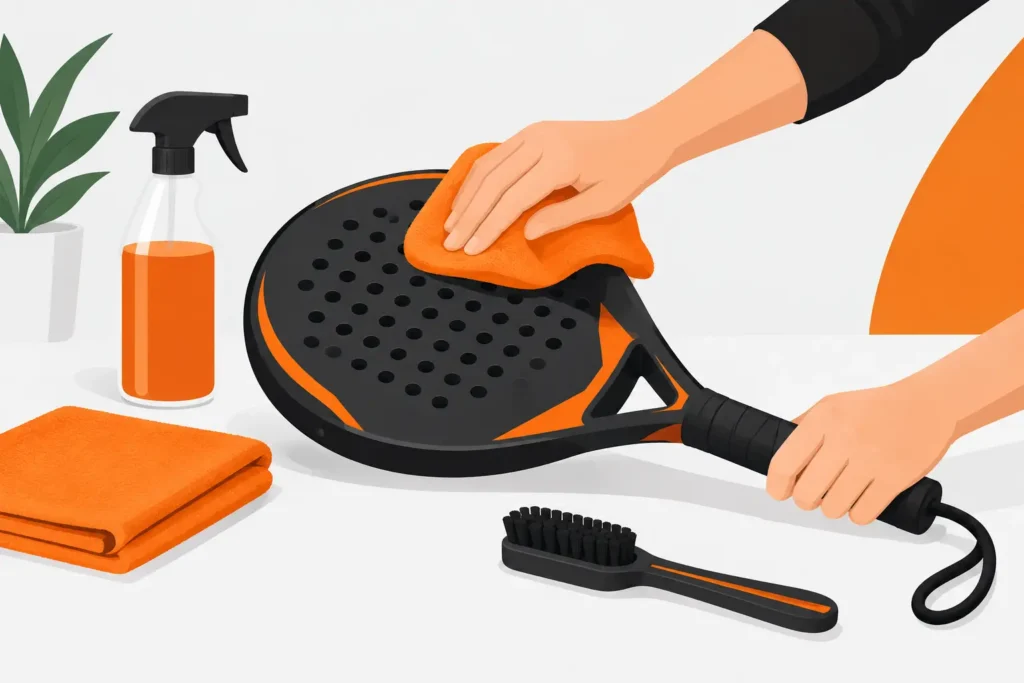
Fitting takes only a few minutes, but rushing it can leave air bubbles or uneven edges. Clean the top of the frame first with a soft cloth. Remove dust, sweat and any old adhesive residue, then let the surface dry fully. Adhesive does not bond well to a damp or dirty frame.
Find the centre of the protector and line it up with the centre of the racket’s top edge. Press it down gradually from the middle towards each side rather than applying the whole strip in one go. This gives you more control over the curve and helps prevent wrinkles.
As you work around the frame, apply steady pressure with your thumb. The protector should sit firmly on the edge without spilling too far onto the racket face. If it begins to crease, lift it carefully before pressing it back down. Pulling hard can stretch the material and make the finish uneven.
Once fitted, leave the racket at room temperature for a little while before playing if possible. This gives the adhesive time to settle. Check the edges after your first session, particularly if you play in cold or wet conditions.
When should you replace it?
Replace a protector when it is torn, lifting around the sides, heavily worn through or holding dirt that cannot be cleaned away. A battered protector has done its job, but leaving it on too long can trap moisture and grit against the frame.
It is also worth removing the protector occasionally to inspect the racket underneath. Look for deeper chips, soft spots, cracks or changes in the frame. If you find a crack, do not assume a new strip will solve it. A protector covers surface wear, not structural damage.
Be careful if your racket is still covered by a manufacturer warranty. Warranty terms differ by brand and type of damage. Keep your proof of purchase and take clear photos if a problem develops. A correctly fitted protector is common among padel players, but it should never be used to conceal damage when making a claim.
Protect the racket, not just the paint
A protector is one part of looking after your equipment. Avoid leaving your racket in a hot car, keep it dry after damp sessions and use a padded racket bag when travelling. Extreme temperature changes and moisture can be just as damaging over time as the occasional scrape on court.
Choose a protector that matches how you play, not simply the thickest one on the shelf. A lightweight option will suit most players, while frequent glass defenders may prefer extra reinforcement. The best choice is the one that keeps your frame safer without taking away the feel that makes you enjoy every point.