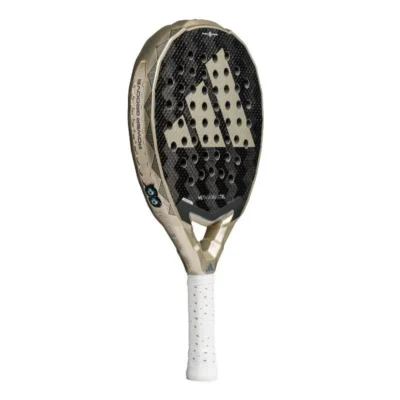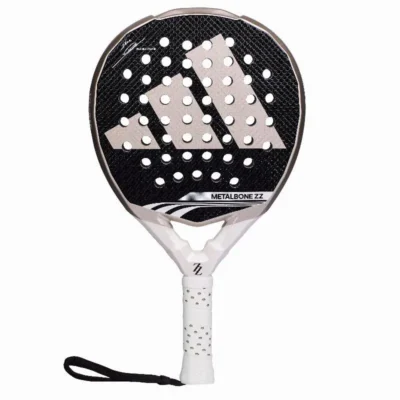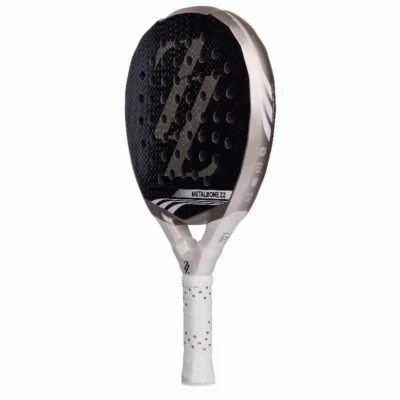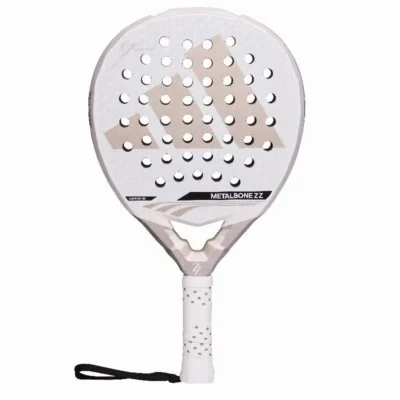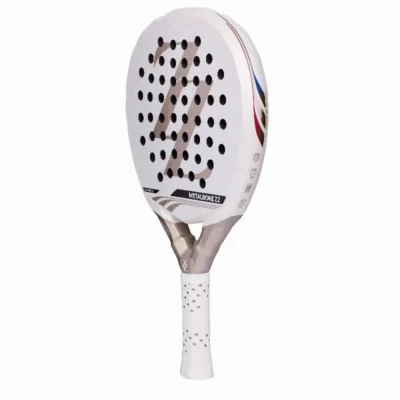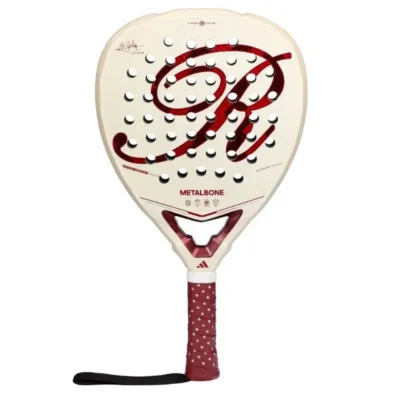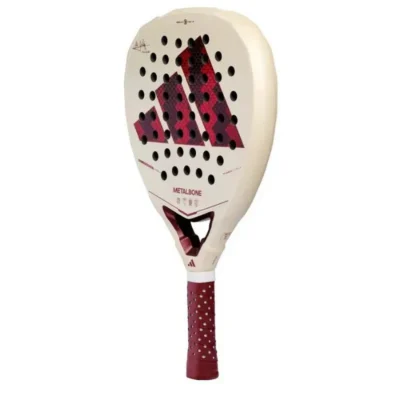
A carbon racket can feel like a serious step up when you are new to padel. It looks premium, many of the best-known brands use it, and the word itself suggests more power. But can beginners use carbon rackets without making the game harder? Yes – provided the racket is built for control, comfort and forgiveness rather than maximum attacking performance.
The key is not simply whether a racket contains carbon. It is how that carbon is used, along with the shape, balance, weight and core. A beginner-friendly carbon racket can help you build confidence. The wrong one can make off-centre shots feel harsh and turn a relaxed first season into hard work.
Can beginners use carbon rackets successfully?
Absolutely. Many beginners do well with a racket that has a carbon frame, or a softer carbon blend in the face. Carbon is a material, not a skill level. It can add structure, durability and a more stable feel at contact, which is useful when you are learning to return quicker balls near the net or defend from the back of the court.
What beginners should avoid is assuming that all-carbon means better. High-performance rackets with a stiff carbon face, hard core and high balance are usually designed for players who already strike the ball consistently. They reward clean technique, but they are less forgiving when you hit towards the edge of the racket – something every new player does regularly.
Think of it this way: a carbon frame can be a very sensible choice from day one. A very stiff, diamond-shaped carbon power racket is usually not.
What carbon changes in a padel racket
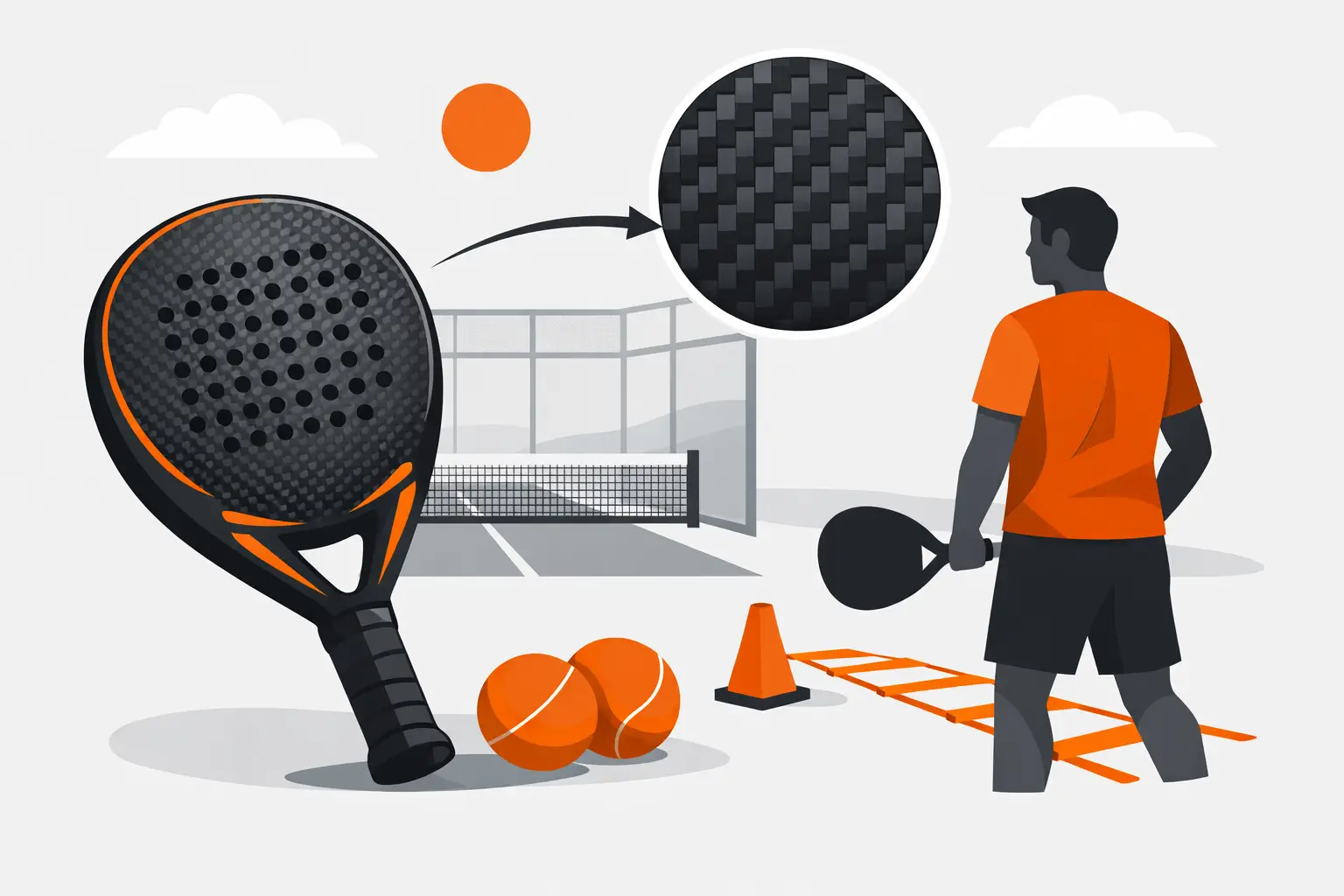
Carbon fibre is commonly used in the frame, the hitting surface, or both. Compared with fibreglass, it is generally firmer and more resistant to flexing. This can give the racket a crisp response and better stability, especially when the ball arrives fast.
For a beginner, that firmer response has a trade-off. You may get a more precise feel on a well-hit volley, but less help when your timing is late or your contact is uneven. Fibreglass tends to flex more and can feel softer and easier at slower swing speeds. That is why many entry-level rackets use fibreglass faces, while some all-round beginner models combine a carbon frame with a more comfortable face material.
Carbon also comes in different grades and weaves. You may see 3K, 12K, 18K or higher numbers on a racket. These figures describe the carbon weave, but they do not create a simple ranking from beginner to advanced. A 3K face can feel controlled and approachable in one racket, while another 3K model may still be too stiff because of its core, balance or construction. Use the full specification, not one marketing label, to make your decision.
The best carbon racket setup for new players
If you want carbon without sacrificing comfort, start with the overall playing characteristics. A round racket is normally the safest shape for a beginner. Its larger sweet spot sits closer to the centre of the face, helping you make cleaner contact while you learn basic volleys, serves, bandejas and defensive shots.
Choose a low or medium balance too. Low-balance rackets keep more of their weight near the handle, making them easier to manoeuvre and less demanding on the wrist and forearm. They are particularly useful when you are reacting quickly at the net or playing repeated defensive balls off the glass.
Weight matters just as much. For most adult beginners, a racket around 350g to 365g is a practical place to start. A lighter option can be easier to swing and control, while a slightly heavier racket may offer more stability. The best choice depends on your strength, previous racquet-sport experience and whether you have any arm or shoulder concerns.
Finally, look for a soft or medium EVA core. This softens the feel of the racket and adds comfort, even when carbon is present in the frame or face. You do not need a hard, highly reactive core to enjoy your first powerful winner. Good positioning and clean contact will do far more for your game.
When a carbon racket may be the wrong choice
A carbon racket is not automatically unsuitable for a beginner, but some models are a poor match. Be cautious with diamond shapes, head-heavy balance and hard faces if you are still learning the fundamentals. These rackets tend to concentrate the sweet spot higher up and need a more committed, accurate swing.
They can be tempting because they are often marketed around power. In real matches, however, beginners usually gain more points through consistent returns, controlled lobs and reliable volleys than through hard smashes. A forgiving racket helps you keep the ball in play long enough to improve those skills.
You should also consider comfort honestly. If you have had tennis elbow, wrist soreness or shoulder issues before, a very stiff carbon face may not be your best starting point. Technique, grip size and playing frequency all affect arm comfort, but a softer, lower-balance racket is generally the more sensible route.
There is no prize for buying the most demanding racket in your first month. The right racket is the one that lets you enjoy playing again tomorrow.
Carbon frame or carbon face: which is better for beginners?
For many new players, a carbon frame with a fibreglass or soft carbon face is an excellent middle ground. The frame provides a solid, durable structure, while the face gives a more comfortable response and a bit more help on slower shots.
A soft carbon face can also work well if you want a more premium feel and expect to play regularly. It will often feel firmer than fibreglass, but not necessarily difficult. Pair it with a round shape, low balance and a soft or medium core, and it can be a racket you keep using well beyond the beginner stage.
A full carbon construction is better approached with care. It is not off limits, particularly for athletic players with a background in tennis, squash or badminton. Still, it should be an all-round control model rather than a high-balance power racket. Previous racquet experience can help your timing, but padel has its own compact swings, wall play and net positioning to learn.
A simple way to choose your first carbon racket
Start by asking how you want the racket to help you. If you are new to racquet sports, prioritise a round shape, lower balance and soft feel. A carbon frame is perfectly suitable, but a softer face will usually make learning more enjoyable.
If you have played tennis or squash for years, you may prefer a slightly firmer carbon face and medium balance. Even then, choose control before power. Your existing hand-eye coordination will help, but padel rewards patience and placement far more than big swings.
If you play once a week with friends, comfort and value should lead the decision. If you are taking lessons, joining leagues and planning to play several times a week, it can make sense to spend a little more on a durable, comfortable carbon-blend model that will support your progress.
Do not overlook the handle and surface feel either. Hold the racket if possible, or check the listed weight and balance carefully when shopping online. A racket that feels manageable in the hand is more likely to improve your confidence than one chosen only for its carbon specification.
Do not buy power before you need it
The best beginner racket does not need to feel dramatic. It needs to help you serve consistently, return comfortably, control volleys and enjoy longer rallies. Carbon can be part of that package, but it should support your game rather than ask you to play above your current level.
At 7padel, the smart starting point is to filter for beginner or control-focused rackets, then compare shape, balance, weight and core before deciding on the face material. Pick the racket that makes padel feel easier now, and let your technique earn the extra power later.