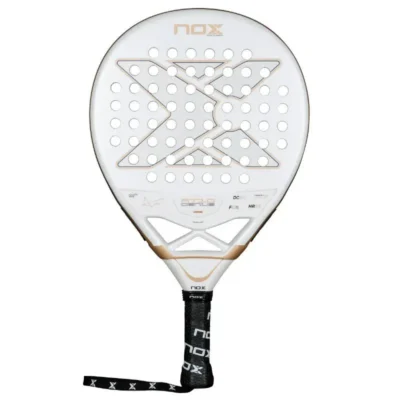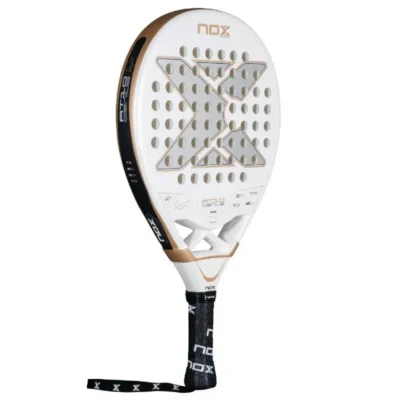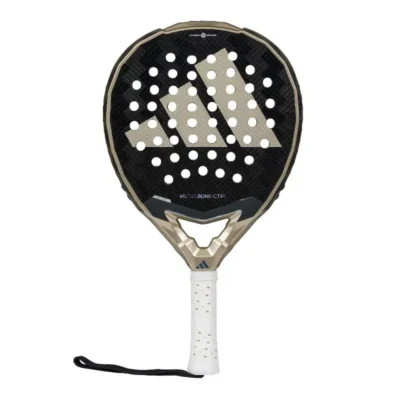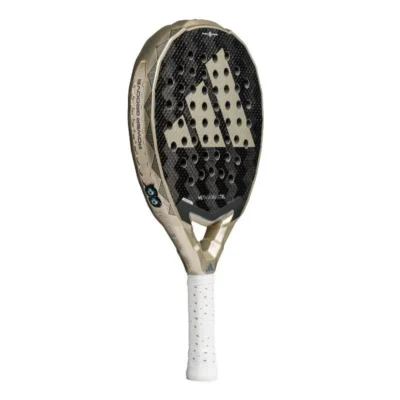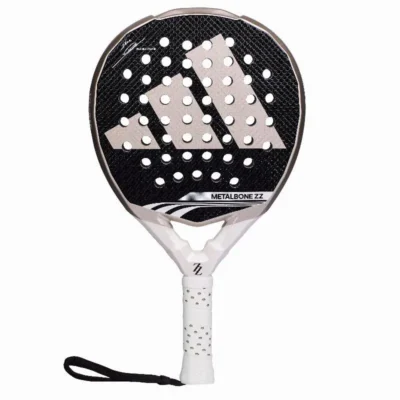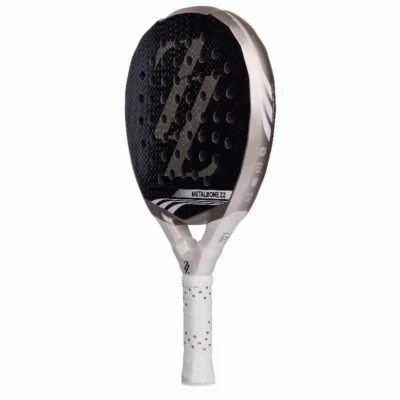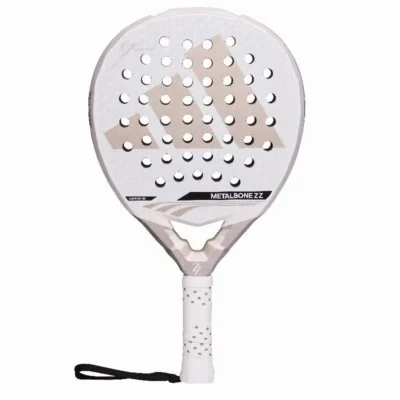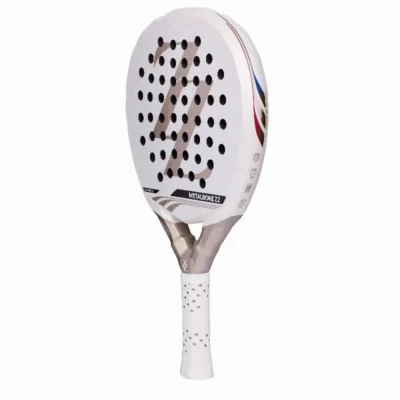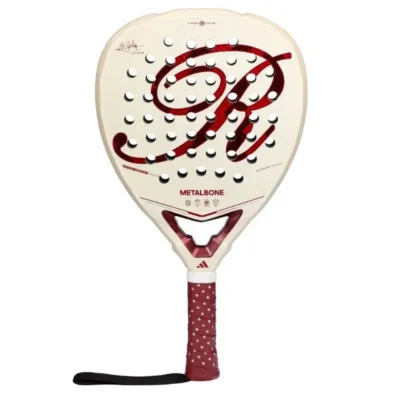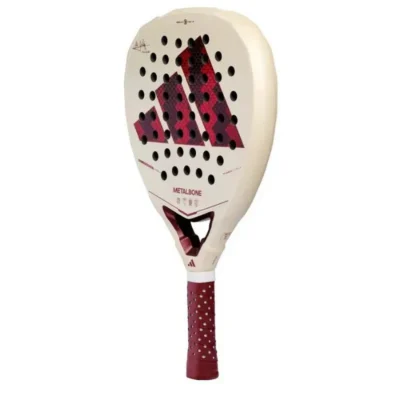
A racket can feel brilliant in a product photo and completely wrong on court. That is why knowing how to choose racket shape matters before you focus on brand, colour or price. In padel, the shape of the racket changes where the sweet spot sits, how easy it is to control the ball, and how much help you get when attacking.
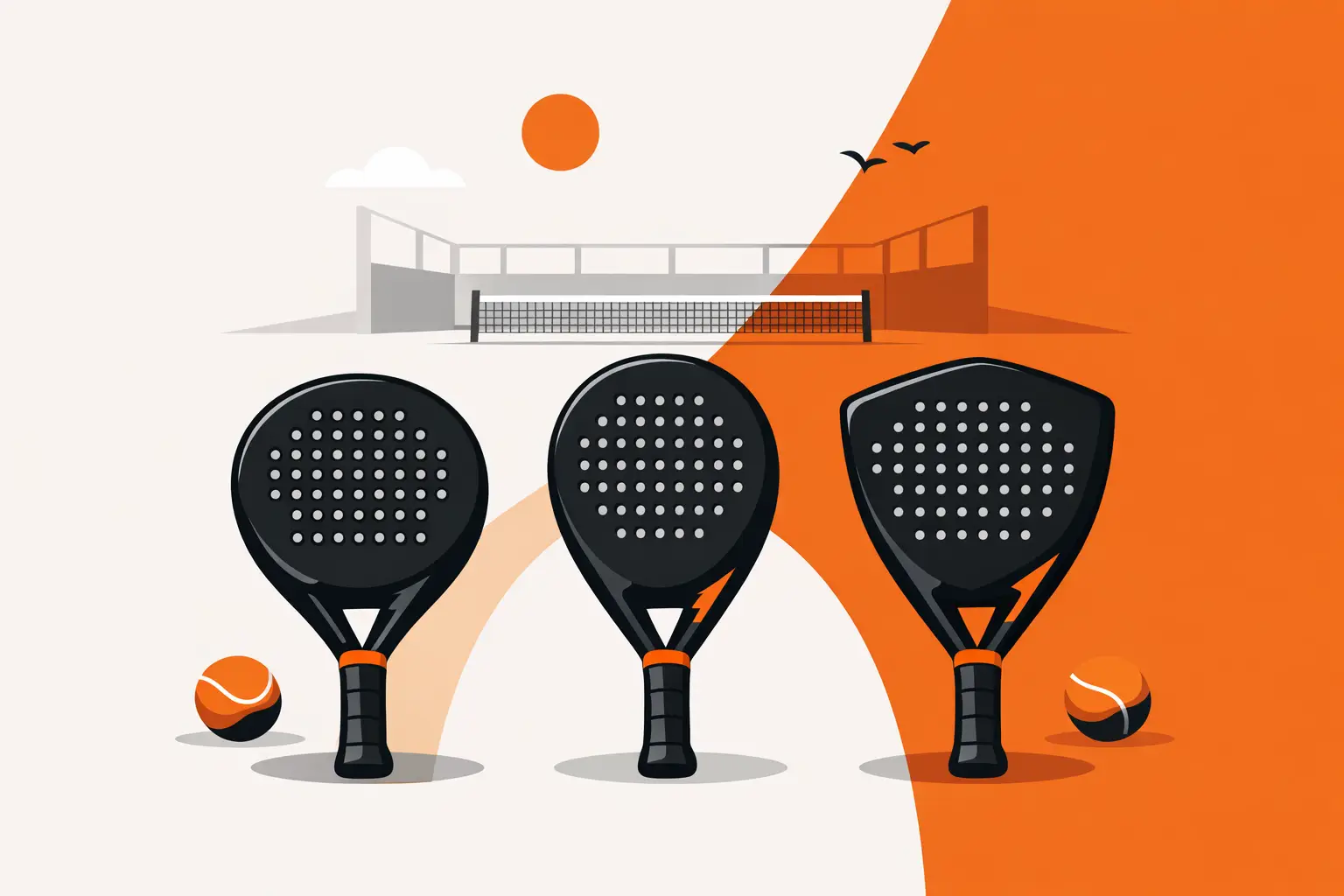
The three main padel racket shapes are round, teardrop and diamond. None is simply the best. The right choice depends on your current level, how consistently you strike the ball and whether you want more control, more power or a mix of both.
How to choose racket shape: start with your game
Be honest about the shots you play most often, rather than buying for the player you hope to become next month. A racket should help your game now while leaving room to improve. If you are regularly defending from the back of the court, returning serves and building points patiently, control and forgiveness are likely to matter most.
If you already strike the ball cleanly and look to finish points at the net, a more attacking shape may suit you. For many club players, though, the best answer sits between those two extremes.
Racket shape works alongside balance, weight, material and surface finish. Still, it is one of the quickest ways to narrow a large choice down to a few suitable options. Think of it as the starting point for finding your perfect match.
Round rackets: the easiest route to control
A round padel racket has a circular head and a large, central sweet spot. This is the most forgiving shape, which means off-centre shots lose less control and feel less harsh. It is a reassuring option when rallies become fast and you do not have time to set up perfectly.
Round rackets usually have low or medium balance, with more of the weight closer to the handle. That makes them easier to manoeuvre at the net and more comfortable during long defensive exchanges. You can react quickly to volleys, block hard shots and place the ball with confidence.
This shape is a natural choice for beginners. It helps you learn clean technique without making every slight mishit costly. It also suits intermediate and advanced players who value accuracy, defence and point construction over maximum smash power.
The trade-off is simple: a round racket may not give you the same explosive help on overheads as a diamond model. That does not mean you cannot hit winners. Good timing and technique still produce pace. You just get less weight concentrated in the racket head.
Choose a round racket if you want a generous sweet spot, quick handling and dependable control. It is particularly useful if you are still learning to use the walls, tend to mishit under pressure, or prefer creating openings rather than forcing every point.
Teardrop rackets: the all-round option
Teardrop, sometimes called hybrid, rackets sit between round and diamond designs. Their sweet spot is higher than a round racket’s but remains more accessible than a diamond racket’s. The result is a balanced feel that combines control with extra attacking potential.
For many intermediate players, this is the sweet spot in more ways than one. You may have developed enough consistency to benefit from added power, but you still want a racket that helps when defending awkward balls or playing quick exchanges at the net. A teardrop shape gives you that flexibility.
These rackets commonly have medium balance. They feel solid through volleys and bandejas while remaining manageable in defensive positions. If your game changes from match to match – perhaps you attack confidently against some opponents but spend more time defending against stronger pairs – a hybrid shape can be a smart choice.
Teardrop rackets are not only for intermediates. Advanced all-round players often choose them because they do not want to sacrifice touch and manoeuvrability for raw power. They reward good technique without becoming overly demanding.
Choose a teardrop racket if you want one racket that can handle most situations. It is ideal for players moving beyond a first beginner racket, or anyone who wants a useful blend of control, speed and power.
Diamond rackets: made for confident attackers
A diamond-shaped racket has a wider upper section and a sweet spot positioned closer to the top of the head. This creates higher balance and can generate more leverage on attacking shots, particularly smashes, viboras and aggressive volleys.
The potential reward is serious power. When you strike the ball cleanly, a diamond racket can feel very direct and effective above shoulder height. Players who like taking the net early and finishing points will appreciate the extra punch.
But there is a price for that power. The higher sweet spot is less forgiving, especially on defensive shots and balls played low near the ground. If contact is inconsistent, the racket can feel harder to control and place extra strain on your arm during late or poorly prepared swings.
Diamond rackets are usually best for advanced players, or strong intermediates with a clearly attacking style and reliable technique. They are not automatically an upgrade from a round or teardrop model. Buying a more demanding racket too early can make your game feel harder, not better.
Choose a diamond racket if you consistently hit the centre of the face, enjoy taking overheads and want to turn attacking opportunities into decisive shots. If your confidence drops when defending, consider a hybrid instead.
Shape and balance are closely connected
It is tempting to judge shape alone, but balance deserves a quick check before you buy. Low-balance rackets feel lighter in the hand and are generally easier to manoeuvre. High-balance rackets place more mass towards the head, which can add punch but needs greater control from the player.
Round rackets often have low balance, teardrops tend towards medium balance, and diamonds commonly have high balance. These are patterns, not fixed rules. Two rackets with the same shape can feel noticeably different because of their weight distribution, core and construction.
If you have elbow, wrist or shoulder discomfort, avoid assuming that more power is the answer. A lighter or lower-balance racket may be kinder on your arm, especially if you play several times a week. Comfort is performance too, because a racket you can swing freely will usually help you play better.
Match the shape to your experience level
Beginners are normally best served by a round racket. It keeps the learning curve manageable and gives you the control needed to understand positioning, wall shots and basic net play. A soft or medium-feel round racket can make the first months on court far more enjoyable.
Intermediate players should look at both round and teardrop options. Stay with round if control remains your priority or you are improving consistency. Move to teardrop if you are striking the ball more cleanly and want extra support on volleys and overheads.
Advanced players can choose from all three shapes based on style. A tactical defender may still prefer round. An all-court player may favour teardrop. A confident attacking player who regularly finishes points at the net may get the most from diamond. Skill level is useful guidance, not a rule that forces you into one category.
Four questions to ask before buying
Before adding a racket to your basket, ask yourself:
- Do I lose more points through mishits and errors, or through a lack of power?
- Am I usually defending, attacking, or doing a bit of both?
- Can I consistently strike overheads and volleys from the centre of the racket face?
- Do I want an easy, comfortable racket now, or am I ready for a more demanding performance feel?
Your answers will usually point clearly towards one shape. If control and forgiveness come first, go round. If you want a reliable all-rounder, choose teardrop. If attack is your strongest weapon and your technique is dependable, diamond may be the right fit.
Do not buy only for power
The most common mistake is choosing a diamond racket because it looks like the racket used by top-level players. Professional players have exceptional timing, strength and preparation. Their racket is built around their game, not around a shortcut to more powerful shots.
At club level, better placement, fewer unforced errors and confident volleys often win more points than trying to hit every ball out of the court. A round or teardrop racket can give you those benefits immediately. Once your technique catches up, moving towards a higher-balance shape will feel like a genuine step forward.
At 7padel, the easiest way to shop smart is to filter your choice by level and playing style first, then compare shape, balance and weight. Recognised brands offer different takes on each shape, so there is no need to settle for a racket that does not feel right for your game.
Your next racket should make the shots you already play feel more reliable. Pick the shape that gives you confidence on the court, and the power will have a much better chance to follow.