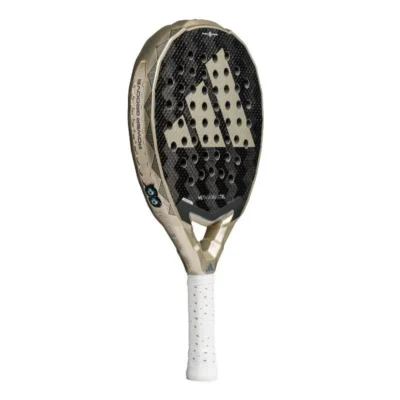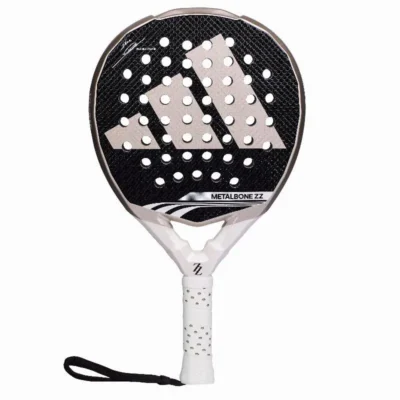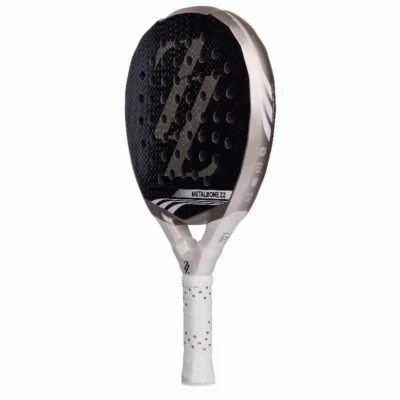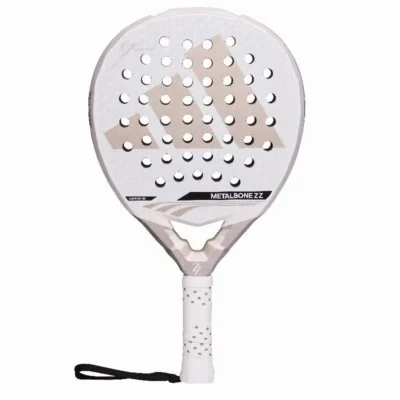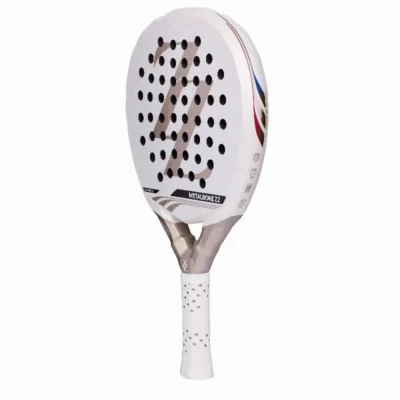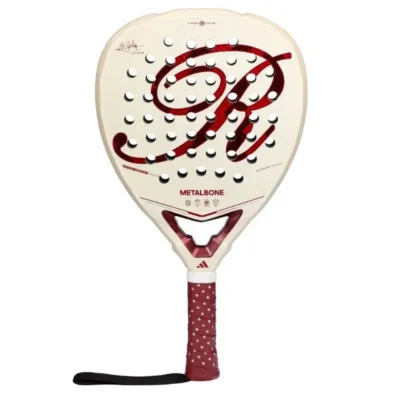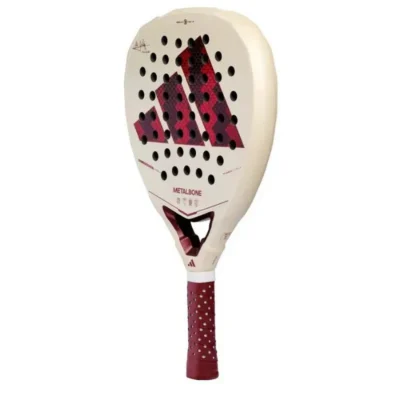
If you keep getting the racket on the ball at the net but the volley still floats long, dies into the tape, or feels late, the issue is not always technique. Quite often, it is racket fit. The best padel racket for volleys is one that helps you react quickly, stay stable on contact, and place the ball with confidence when points speed up.
That matters because volleys are not one shot. A block volley in defence, a firm punch volley to the middle, and a sharp angle winner all ask for slightly different things from the racket. So rather than chase one magic model, it makes more sense to understand what actually helps at the net and then match it to your level and style.
What makes the best padel racket for volleys?
At the net, time is short. You are often taking the ball early, in front of the body, and with compact preparation. That means your racket needs to do three jobs well. It should move quickly into position, feel solid when the ball arrives fast, and give you enough control to keep the shot low.
This is why volley-friendly rackets usually sit closer to the control or hybrid end of the range. A pure power racket can be brilliant on overheads, but if it is too head-heavy or too lively off the face, quick exchanges can become harder to manage. You may feel strong on the first volley but lose precision on the second.
For most players, the sweet spot is a racket that offers a balanced response rather than maximum power. Easy handling beats raw force at the net more often than people think.
Shape matters more than the label
Racket shape has a big effect on how a volley feels.
Round rackets
Round shapes are usually the easiest recommendation for players who want cleaner volleys. They tend to have a larger sweet spot and a more control-focused feel, which helps when you are blocking hard balls back or volleying under pressure. If your main goal is consistency and touch, round is often the safest place to start.
Teardrop rackets
Teardrop shapes sit in the middle. They give you a blend of control and extra punch, which suits intermediate and advanced players who like to be active at the net without giving up too much help on overheads. For many shoppers, this is the most sensible all-round choice.
Diamond rackets
Diamond shapes can still work for volleys, but they are usually better suited to aggressive players with good timing. The higher balance can make them feel heavier in fast exchanges. If you are sharp at the net and want to finish points with authority, they can be excellent. If your volleys sometimes feel rushed, they may punish you more than they help.
Balance and weight decide how fast you really are
When players say a racket feels quick at the net, they are usually talking about balance as much as total weight. A lighter racket with too much weight in the head can still feel slow on reaction volleys. A slightly heavier racket with a more even or lower balance may actually feel easier to control.
For volleys, many players benefit from a low to medium balance. It helps with manoeuvrability, especially in fast exchanges close to the net. You can get the racket into position sooner, make late adjustments, and keep a compact swing.
Weight depends on the player. If you are newer to padel or prefer a fast, easy feel, go a little lighter. If you are stronger and face harder hitters, a bit more mass can improve stability. The trade-off is simple: less weight usually means quicker handling, while more weight can give you a firmer, more stable volley. Neither is automatically better.
Core and face feel change your touch
The best padel racket for volleys is not just about shape and balance. Feel matters, especially on soft hands, drop volleys, and controlled blocks.
A softer racket can be more comfortable and forgiving. It helps absorb pace and gives a cushioned response, which many beginners and intermediates like. The downside is that some softer rackets can feel a bit springy on firmer volleys, especially if you already generate enough racket speed.
A firmer racket usually gives a crisper, more direct contact. Advanced players often prefer this because it rewards clean timing and makes placement feel more precise. The trade-off is that mishits are less forgiving, and comfort may be lower if you play often or have any arm sensitivity.
Surface texture can also help, though it is not the main factor for standard volleys. Where it becomes useful is on cut volleys and angles, when you want a little extra grip on the ball.
Which type of player needs what?
Beginners
If you are still building confidence at the net, choose control first. A round racket with a generous sweet spot, medium or light weight, and a comfortable feel will make volleys simpler. You do not need an aggressive frame to improve your net game. You need one that lets you meet the ball early and keep it in play.
Intermediate players
This is where hybrid rackets start to make real sense. If your volleys are solid and you are beginning to attack more, a teardrop shape with medium balance can give you enough control for quick exchanges and enough pop to finish points. This is often the best category for players who want one racket that covers everything well.
Advanced players
If you play an aggressive style, take the net early, and like to pressure opponents with firm volleys, you may prefer a racket with a slightly firmer feel and more stability. That could still be round or teardrop, depending on how much help you want on overheads. Some advanced players will choose diamond, but only if they can handle the faster pace and smaller margin for error.
Common mistakes when choosing a volley racket
One of the biggest mistakes is buying for smashes when your real problem is net control. It is easy to be drawn to powerful, pro-style rackets, but if most of your points are won or lost through volleys and transitions, that choice can backfire.
Another mistake is focusing too much on one spec. Weight alone does not tell the full story. Neither does shape. A racket can look perfect on paper and still feel wrong in hand if the balance, hardness, and sweet spot do not suit you.
It is also worth being honest about your level. A demanding racket may feel exciting at first, but if it makes you late on reaction shots or inconsistent under pressure, it is not helping your game.
How to narrow it down quickly
If you want the simplest route to the right choice, start with your level and how you win points.
If you value control, play lots of compact volleys, and want confidence in fast exchanges, look first at round rackets. If you want an all-round option with a bit more put-away power, start with teardrop. If you already play aggressively and can handle a firmer, more head-heavy feel, then consider diamond.
After that, think about balance and comfort. For quicker hands, stay low to medium balance. For more stability against pace, do not be afraid of a little extra mass. If comfort matters, lean softer. If precision matters most, go a bit firmer.
That approach is usually far more useful than asking for one single best model. The right racket for your volleys depends on whether you are blocking, punching, controlling, or finishing.
Brand choice matters less than fit
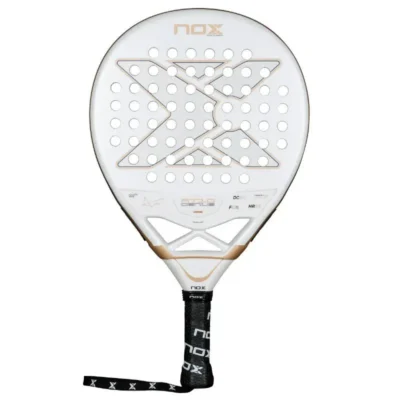
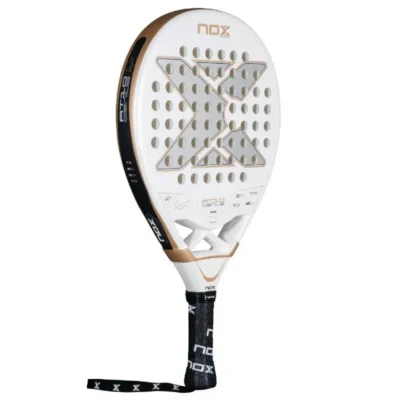
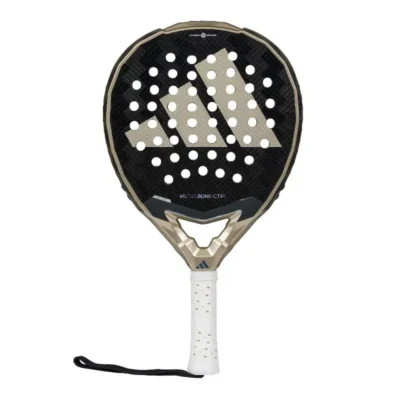
Well-known brands such as Adidas, Babolat, Bullpadel, Head, Nox, Starvie, and Wilson all make strong options for net play. The difference is rarely that one brand is good for volleys and another is not. The real difference is how each model combines shape, balance, weight, and feel.
That is why practical filtering matters. Shopping by beginner, intermediate, or advanced level, and then by control, hybrid, or power, usually gets you to the right shortlist much faster. At 7padel, that is the simplest way to shop smart and avoid paying for the wrong type of performance.
A good volley racket should make you calmer, not flashier
The best padel racket for volleys should make the front of the court feel less rushed. You should be able to set the racket early, trust the contact, and choose your target without second-guessing the frame in your hand. If a racket gives you that feeling, it is doing its job.
Start with control if you are unsure, move to hybrid if you want more all-round bite, and only push into power-focused options when your game really calls for it. The right choice is the one that helps you win more points at the net next match, not the one that looks most impressive in the product photo.