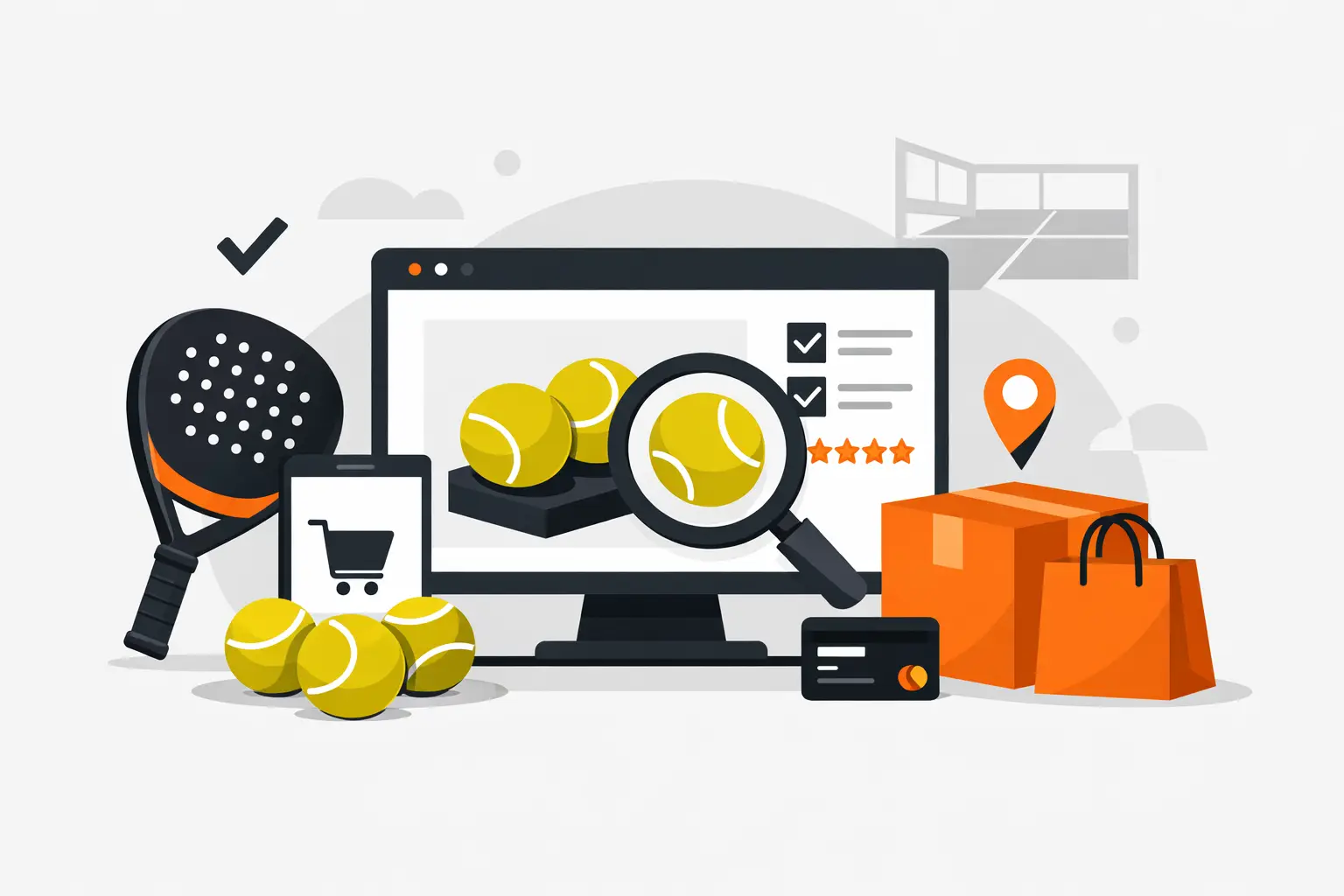
A fresh tube can change the feel of a match before the first serve. When you buy padel balls online, the goal is not simply to find the lowest price. You want balls that suit how often you play, the pace you enjoy and whether they are for a competitive match, a coaching session or a relaxed game with friends.
The good news is that choosing well is simple once you know what affects performance. Focus on pressure, durability, pack size and the type of session ahead. That gives you a better buying decision than choosing a tube based on branding alone.
How to buy padel balls online
Start with your playing routine. A player who gets on court once a week has different needs from a club regular playing three times a week, and both need something different from a coach feeding balls for an hour. Premium balls can feel lively and precise straight from the tube, but a more durable option may offer better value if your priority is frequent training.
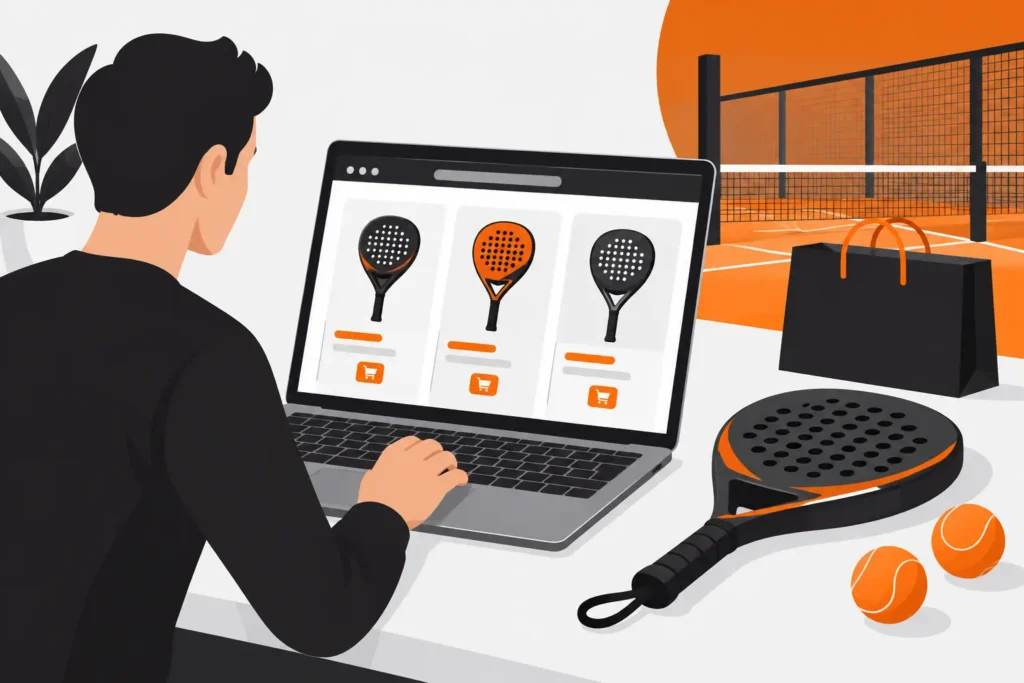
Online shopping gives you time to compare the important details without being rushed at the counter. Check whether the balls are pressurised, how many tubes are included in the pack and whether the product is intended for match play, regular club use or training. Recognised padel brands usually make this information clear, so you can compare like for like.
Buying a single tube is sensible when you want to test a new ball or only play occasionally. If you know the ball suits your game, multi-tube packs are normally the smarter choice. They lower the cost per tube and mean you are not turning up for a match with a tired set because you forgot to restock.
Pressurised balls: the match-day choice
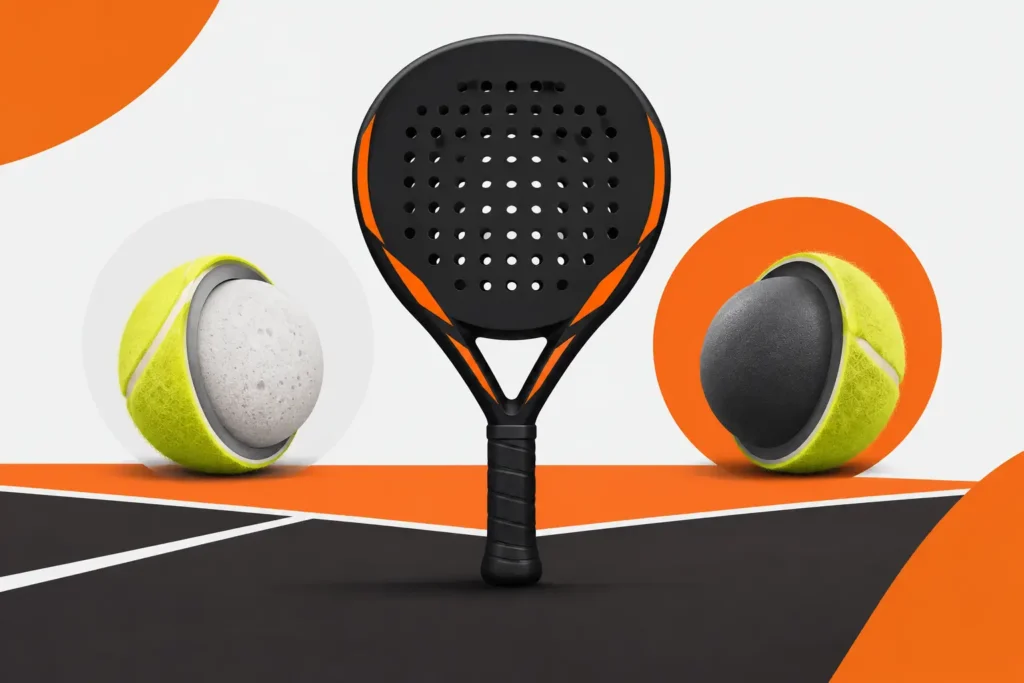
Most players prefer pressurised padel balls for competitive play. Their internal pressure creates a more responsive bounce and a quicker feel off the racket. Fresh pressurised balls also reward clean contact, which makes volleys, bandejas and attacking shots feel more satisfying.
There is a trade-off. Pressure gradually drops after opening, even if the balls have only seen a few matches. Cold weather, damp courts and hard hitting can make that change feel faster. If your group plays once a week, opening a fresh tube for each proper match is often the easiest way to keep conditions fair and enjoyable.
Do not expect every pressurised ball to feel identical. Some are built for a firmer, faster response, while others are designed to balance speed with a little more control. Faster balls can be great for experienced players who like an aggressive game. Players still building consistency may prefer a ball with a more measured response, especially on quicker courts.
Durability matters more than the label
A ball can lose its best feel in two ways: the pressure fades, or the felt becomes worn and fluffy. Once the surface wears down, the ball may travel differently through the air and pick up less spin. The result is a game that feels less predictable, even if the ball still appears usable.
For training, that does not automatically mean the balls belong in the bin. Older balls are useful for drills, basket feeding and practising serves. Keep your newest tubes for matches, then move them into your training supply as they lose pace. This simple rotation gets more value from every purchase without compromising your match play.
Durability depends on more than the brand. Court surface, temperature, playing style and how clean the court is all have an effect. A sandy outdoor court is tougher on felt than a clean indoor court, while powerful hitters naturally put more stress on the ball. It is worth choosing a reliable, well-known ball, but it is equally worth setting realistic expectations.
Choose the right pack size for your court time
The best pack is the one you will actually use while the balls are fresh. For occasional players, a few tubes at a time keeps spending under control and avoids building up old stock. For regular groups, larger packs are practical and usually offer stronger value per ball.
Think about who supplies balls in your group. If the same person buys every time, a multi-pack prevents last-minute shortages. If players take turns, individual tubes may be easier to split. Clubs, coaches and organisers should buy in larger quantities, but should also rotate stock so older tubes are used first.
A useful rule is to buy enough for the next few weeks rather than stocking up for an entire season. Unopened tubes retain pressure far better than opened ones, but storage conditions still matter. Keep them indoors, dry and away from direct heat. A hot car boot or a freezing shed is not the best home for match balls.
Match balls and training balls are not the same job
One new tube for a match can be enough for most recreational groups. It keeps the bounce consistent and removes one easy excuse after a close loss. For league games or longer sessions, having a spare unopened tube nearby is a sensible backup.
Training needs a different approach. You may want a mix of newer and used balls depending on the drill. Fresh balls are useful when practising timing, overheads and match-like rallies. Slightly older balls work well for repetition drills where you need a large number of feeds and do not need tournament-level bounce on every shot.
If you are a beginner, do not get too caught up in finding a specialist ball immediately. A dependable pressurised padel ball from a trusted brand is the right starting point. Your technique, positioning and shot selection will make a far bigger difference than chasing small differences in pace.
Intermediate and advanced players tend to notice more. If you play fast points, use plenty of spin or compete regularly, try a couple of ball types across several sessions. Pay attention to how they behave after an hour of play, not just during the first five minutes. The ball that stays consistent longest may be the best option for your usual court and group.
Get better value without settling for flat balls
The cheapest tube is not always the best buy. A low-priced ball that feels flat halfway through a session can spoil a game and cost more in the long run. Look at the price per tube in multi-packs, then balance that against how often you genuinely play.
It also pays to combine purchases when you need other equipment. Adding balls when replacing an overgrip, buying a racket bag or choosing a new padel racket means you are ready for your next session without making several separate orders. At 7padel, the aim is to make that choice straightforward: recognised brands, clear options and value that makes sense for regular players.
Pressure-preserving containers can help extend the useful life of opened pressurised balls, particularly for players who only use them for short sessions. They are not magic, and they cannot restore badly worn felt, but they can be worthwhile if you regularly put away a tube with plenty of life left in it.
A quick check before you order
Before adding balls to your basket, ask three simple questions. How often will these be used? Are they mainly for matches or training? And will buying a multi-pack save money without leaving tubes unused for months? Your answers should narrow the choice quickly.
Then choose a reputable padel ball from a brand you trust, store unopened tubes properly and keep a fresh set back for the games that matter. A good ball will not fix a mistimed smash, but it gives every rally the lively, reliable feel that makes you want to book the next court.