
A ball that feels flat after one good set is frustrating, especially when the rest of your kit is ready to perform. If you are asking what padel balls last longer, the short answer is this: choose quality pressurised balls with a durable felt covering, then store them properly between matches. The brand matters, but so do the court, weather and how often you play.
For most regular players, the best long-lasting option is a premium match ball rather than the cheapest tube available. It costs a little more upfront, but a ball that keeps its bounce and speed for several sessions is usually better value than replacing soft, worn balls every week.
What padel balls last longer in real play?
Padel balls are pressurised, so every ball will gradually lose bounce once the tube is opened. There is no ball that stays fresh forever. The better question is which balls hold their pressure, shape and felt texture well enough to deliver consistent play over several matches.
Premium balls from established padel brands are generally the safer choice. Lines such as Head Padel Pro, Bullpadel Next Pro, Adidas Speed and Babolat Ace are designed for regular match play and typically use higher-quality rubber cores and more resilient felt than basic training balls. Exact durability varies by model, court surface and player level, but these types of balls are built for performance beyond a single outing.
A firmer, faster ball can also feel lively for longer than a softer model, particularly in cool conditions. That does not automatically make it the right ball for every player. Beginners may prefer a slightly slower, more controllable ball, while experienced players often enjoy the quicker response of a premium competition ball.
Why some padel balls go flat so quickly
The bounce in a padel ball comes from internal air pressure. Once the tube is opened, air slowly escapes through the rubber. Hard hits, cold temperatures and repeated impact with glass, fencing and the court all speed up the process.
The felt matters too. When the outer layer becomes fluffy, smooth or heavily worn, the ball flies differently through the air and grips the court less consistently. A ball may still bounce reasonably well but feel unpredictable because its surface has deteriorated.
Outdoor courts are usually tougher on balls than indoor courts. Moisture makes felt heavier, cold weather reduces bounce, and sandy or abrasive surfaces wear the covering more quickly. If you mainly play outdoors through a British winter, expect to change balls sooner than someone playing twice a week on a clean indoor court.
Pressurised versus pressureless padel balls
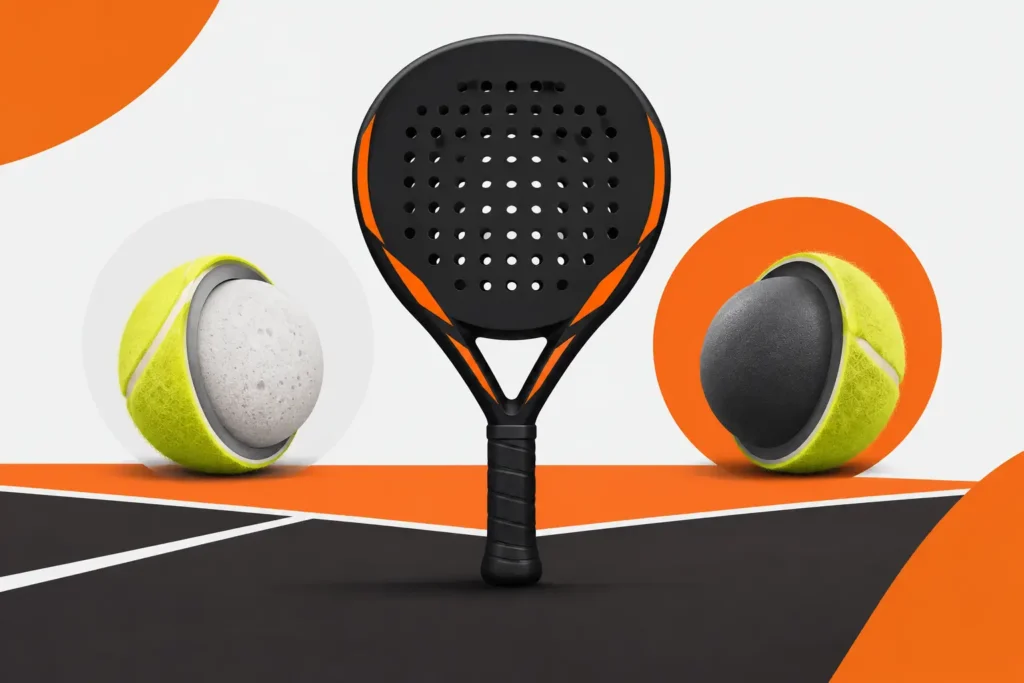
Most padel players should buy pressurised balls. They offer the familiar lively bounce, speed and feel used in club games, leagues and tournaments. Their downside is that they lose pressure after opening, even if they are not used heavily.
Pressureless balls use a different construction and are made to remain usable for a much longer time. They are common in tennis practice but less popular in padel because they can feel heavier, firmer and less responsive. They may last longer physically, but they do not always give the playing experience most padel players want.
For matches, choose pressurised balls. For coaching, drills or feeding balls from a basket, pressureless or older match balls can make practical sense. Keeping your previous tube for practice is a simple way to get more value from it without compromising the feel of your next competitive session.
How to choose long-lasting padel balls
Do not choose only by the word “durable” on the tube. Look at how and where you play.
If you play one social match a week, a reliable premium three-ball tube is a sensible choice. Open a fresh tube for your match, then keep the balls in good storage for the next session. For many casual players, that can mean two to four solid matches before the balls noticeably soften.
If you play three or more times a week, buy in larger quantities and rotate tubes. Frequent players benefit from having fresh balls for competitive games, lightly used balls for normal club matches and older balls for training. This approach keeps your match sessions consistent without wasting balls that still have life left in them.
Fast, powerful players tend to wear balls out quicker. Smashes, hard volleys and high-tempo rallies put more strain on the rubber and felt. Control-focused players may get a little more use from the same tube, although court conditions can make a bigger difference than playing style.
When comparing brands, focus on trusted padel-specific ranges, not just the lowest price per ball. A cheap tube can be a false economy if it becomes soft halfway through the second match. At 7padel, the best starting point is to choose a recognised ball brand that matches your usual level of play, then buy enough tubes to avoid relying on old balls when the match matters.
Make your padel balls last longer at home
Good storage cannot restore a completely flat ball, but it can slow pressure loss and keep the felt in better condition. Small habits make a real difference.
Keep opened balls in an airtight ball pressuriser where possible. These containers maintain external pressure around the balls and can significantly extend their useful life. They are especially worthwhile if you play once a week and want your tube to stay lively between sessions.
Store balls indoors at a stable temperature. Do not leave them in a cold car boot overnight, on a radiator or in direct sunlight. Extreme temperature changes affect both pressure and rubber performance. A cupboard at room temperature is far better than your padel bag in the garage.
Keep balls dry. If you have played in damp conditions, wipe off surface moisture and let them air dry indoors before putting them into a sealed container. Sealing wet balls away can damage the felt and leave them feeling heavier next time.
Finally, avoid mixing very old balls with newer ones when you are playing a proper match. The difference in bounce can disrupt timing, particularly on volleys, bandejas and overheads. Use balls from the same tube whenever possible.
When should you replace padel balls?
Replace match balls when they feel noticeably soft, bounce lower than expected or become inconsistent off the racket face. A bald, fluffy or uneven felt surface is another clear sign. If you need to swing harder just to get normal depth, the balls are probably past their best for competitive play.
There is no fixed number of sets because usage varies so much. As a practical guide, serious players often use fresh balls for important matches and move them to training after one or two hard sessions. Social players who store balls in a pressuriser may get several enjoyable matches from a tube.
The goal is not to make one tube last forever. It is to keep the right balls in play for the right occasion: fresh and consistent for matches, lightly used for club games, and older balls for drills. Choose quality, store them well and you will spend less time blaming a dead ball for a missed winner.