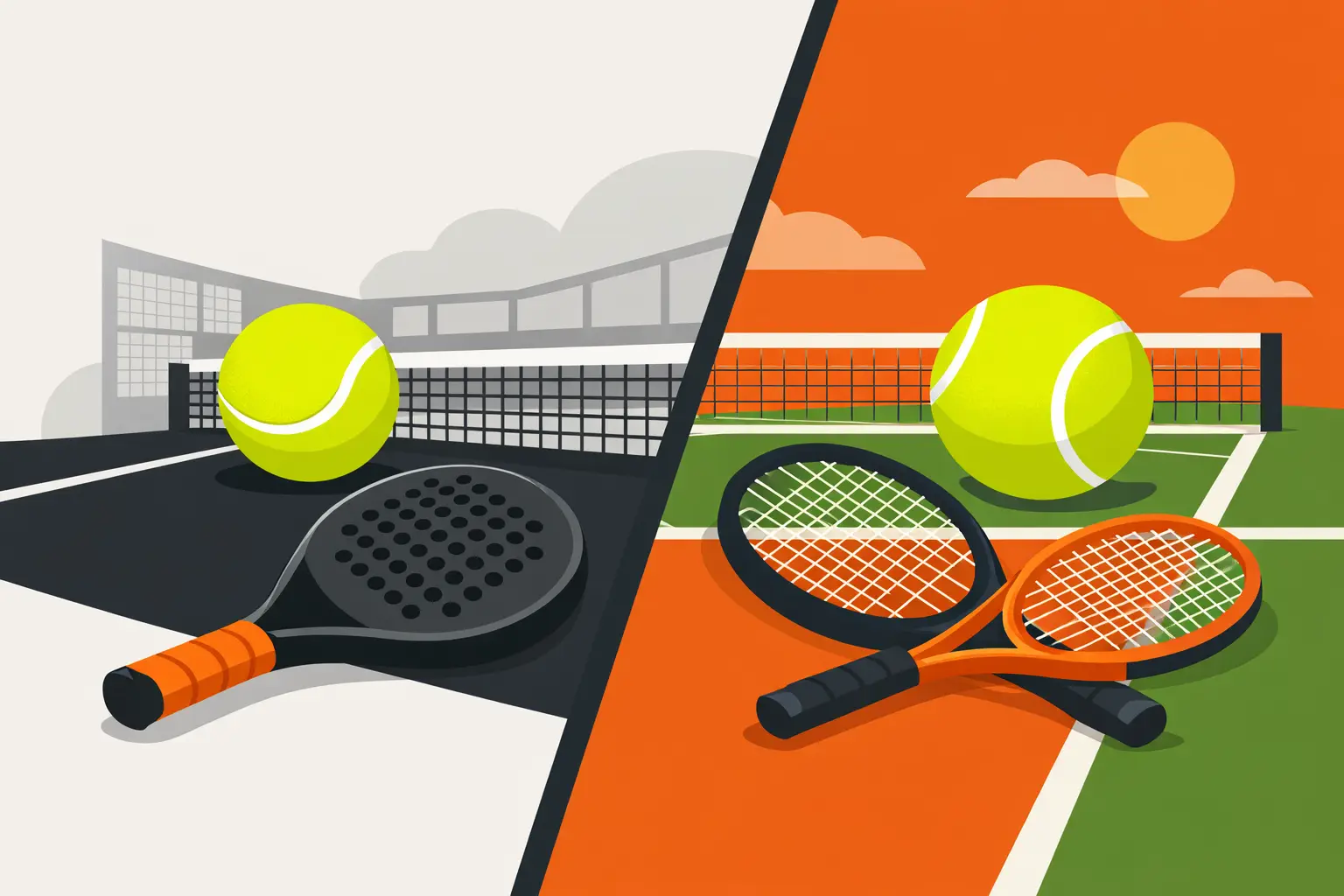
A tin of tennis balls may look like an easy substitute when your padel bag is empty. But padel balls versus tennis balls is not a minor equipment detail. The difference affects pace, bounce, control and how the ball behaves when it meets the glass, fencing or a well-timed volley.
For a proper padel match, use padel balls. They are made for the court, the racket and the style of play. Tennis balls can get a rally started, but they change the feel of the game quickly – usually making it faster, bouncier and harder to control.
Padel balls versus tennis balls: the key difference
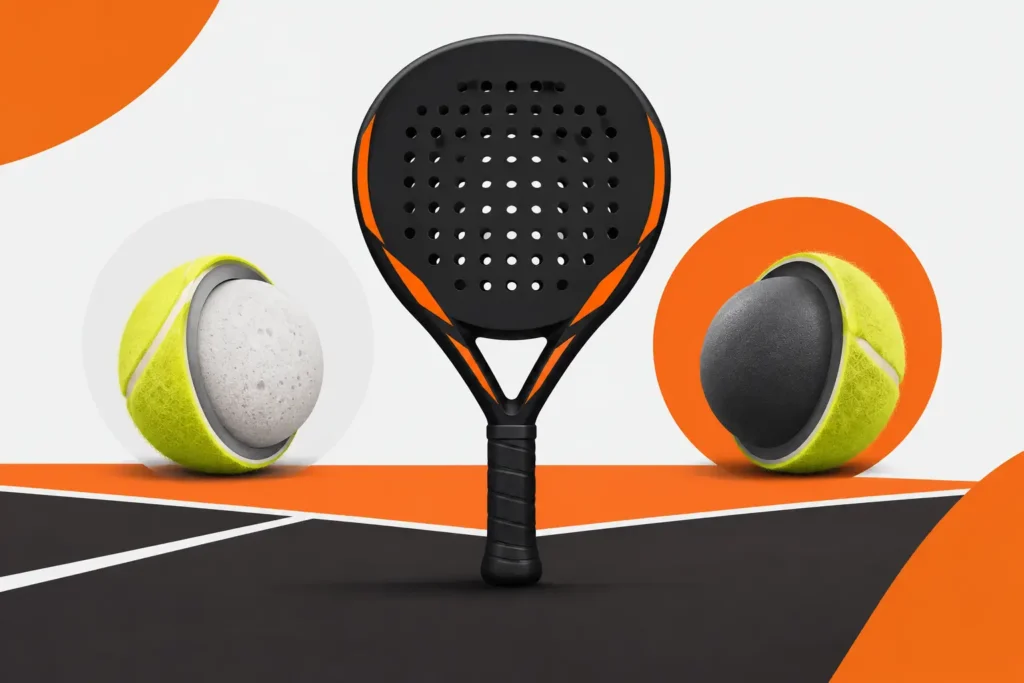
At first glance, the two balls are almost identical. Both are yellow, covered in felt and close in size and weight. That similarity is why tennis balls are often used by accident or out of convenience.
The major difference is internal pressure. A padel ball has lower pressure than a standard tennis ball. That gives it a slightly lower, more controlled bounce and reduces the explosive speed coming off the racket.
In a sport played on a smaller enclosed court, this matters. Padel rewards placement, patience and smart use of the walls. A lower-pressure ball gives players more time to set up, defend and construct the point. A tennis ball tends to spring off the glass and racket with more energy, making rallies feel rushed and less predictable.
There are also small specification differences. Padel balls are generally a little smaller in diameter, although their weight is very close to a tennis ball. On court, however, pressure is the change players notice most.
What changes when you use a tennis ball for padel?
Using tennis balls for a casual knock can be tempting, especially if you already have a fresh tube at home. They will fit the court and you can certainly hit them. But the match will not play as intended.
A tennis ball usually travels quicker and rebounds more sharply. It can fly long more easily, particularly from a hard smash or an aggressive bandeja. Off the back glass, the rebound may feel livelier than expected. This makes it harder to practise the controlled defensive shots that are central to padel.
The extra pace also changes net play. Volleys can become more difficult to soften and direct, while counterattacks feel more frantic. Beginners may find that rallies end too soon. More advanced players might enjoy the speed for a few minutes, but it does not give a true picture of their padel game.
There is a second issue: the ball can create habits that do not transfer well to normal play. If you learn to wait for a high, lively rebound from the glass, a standard padel ball may initially feel slow when you return to it. Practising with the right ball helps your timing stay reliable.
Why padel needs a lower-pressure ball
Padel is not simply tennis played in a cage. The court is shorter, the rackets are solid rather than strung, and the walls are part of every point. Equipment needs to support that format.
The lower pressure of a padel ball slows the game just enough to make tactical play possible. It gives you a better chance to read a lob, move into position and choose whether to play a volley, vibora or controlled overhead. It also supports longer exchanges, especially when both pairs are learning how to defend the back of the court.
That does not mean padel balls are slow or dull. A new pressurised padel ball still feels quick, crisp and exciting. In warm conditions, or on a fast indoor court, it can move very sharply. The difference is that the pace remains more manageable for the court dimensions and wall rebounds.
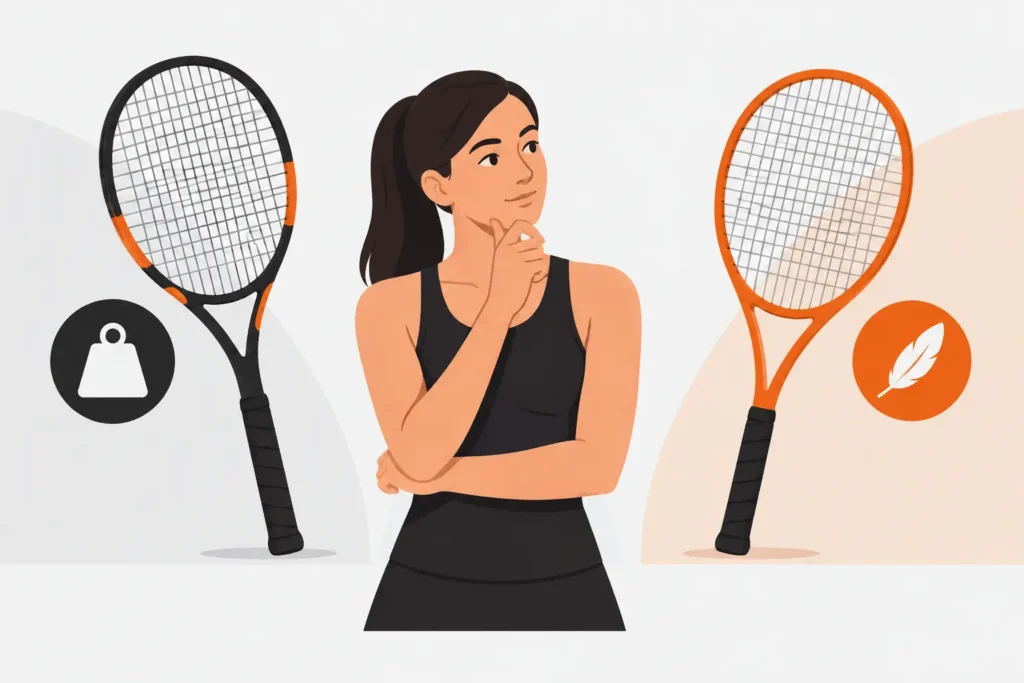
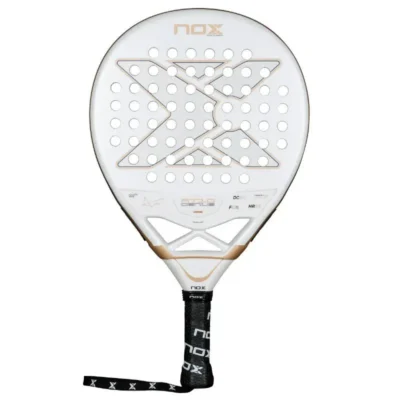
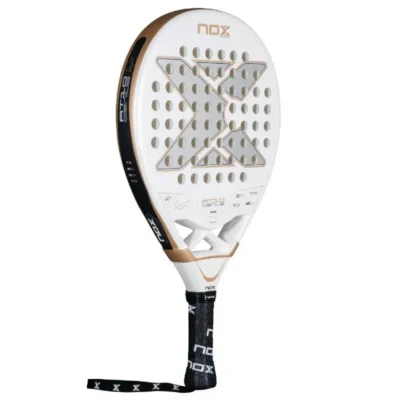
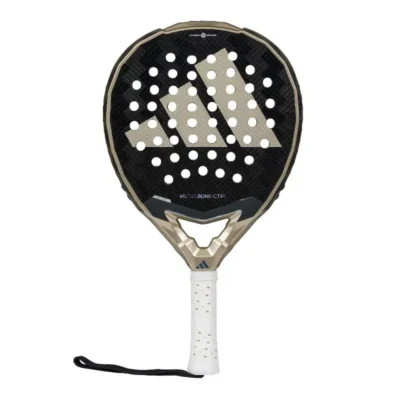
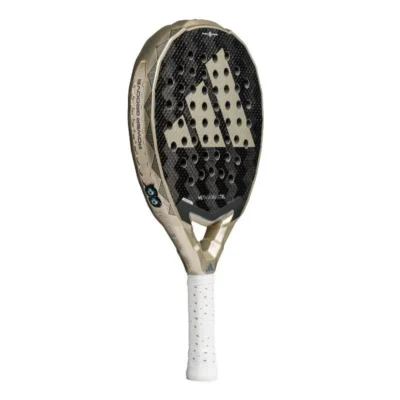
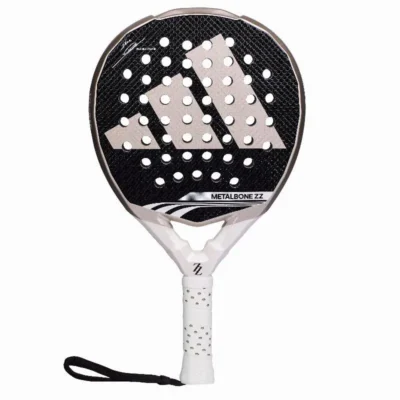
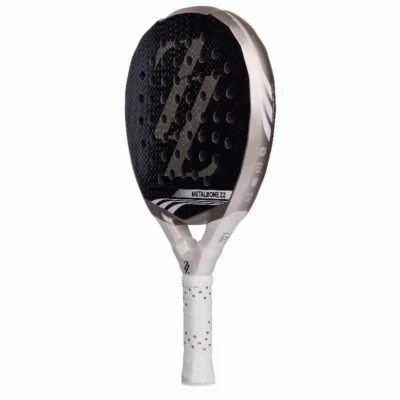
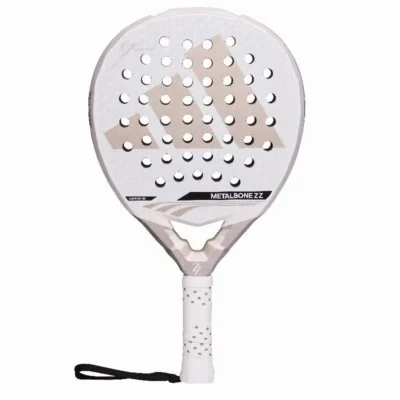
For players choosing equipment, this is a useful reminder: your racket and ball work together. A powerful diamond-shaped racket paired with fresh, fast padel balls can produce serious pace. A round control racket can help soften the ball and improve consistency. Neither setup is automatically better – it depends on your level, technique and playing style.
Can you use tennis balls for padel practice?
For a quick warm-up, a tennis ball is better than no ball at all. You can use one for basic hand-eye coordination, gentle feeding drills or a relaxed hit with friends. It may also be useful if children are simply getting used to making contact with a racket.
For meaningful practice, use padel balls. This is especially true when working on wall shots, lobs, volleys, serve returns and overheads. These shots depend on judging the ball’s height and speed accurately. A tennis ball gives you a different response, so the repetition is less valuable.
If you are new to the sport, consider choosing padel balls designed for a slightly softer or more controlled feel. They can make rallies easier to sustain while you build confidence. Once your contact and court positioning improve, you may prefer a faster ball with a livelier response.
How to choose the right padel balls
Not all padel balls play exactly the same. The best choice depends on conditions and the type of match you want.
Fresh pressurised balls are the normal choice for league matches, tournaments and players who want a responsive feel. They have a lively bounce and clear contact off the racket. Their performance naturally drops over time as pressure escapes, particularly after frequent use.
Non-pressurised or pressureless balls are often more durable, but they feel firmer and play differently. They can suit repetitive training sessions, coaching baskets or players who value longevity over a match-like response. For most recreational and competitive padel, pressurised balls remain the preferred option.
Temperature matters too. Cold weather makes balls feel slower and less lively, while warm conditions can make them fly faster. If you play outdoors through a British winter, do not be surprised if a ball that felt quick indoors seems noticeably heavier on a chilly court.
Court surface also has an effect. Sandier artificial turf can slow the ball and lower the bounce, whereas a cleaner, faster surface may make play feel sharper. If your local club is quick, a control-focused ball can be a sensible choice. If the court plays slow, a fresh premium ball can add welcome life to the match.
When should you replace padel balls?
A ball does not need to look worn out before it starts affecting your game. Pressurised padel balls lose their bounce gradually, so the change can be easy to miss from one session to the next.
Replace them when rallies start to feel flat, serves lose their pop or the ball no longer comes cleanly off the glass. Felt that is badly fluffed, smooth in patches or damp is another sign it is time for a new tube.
For a competitive match, opening new balls is the simplest way to keep conditions fair. For social games, one tube may last several sessions depending on how often you play, the surface and how hard the group hits. Keeping balls in a pressurised ball saver between sessions can help extend their useful life, though it will not restore balls that have already gone flat.
The simple choice for your next match
Tennis balls and padel balls may share the same bright yellow look, but they create different games. Tennis balls are faster and livelier; padel balls are tuned for controlled exchanges, accurate wall play and the tactics that make padel so addictive.
If you want your racket choice, technique and court time to pay off, put proper padel balls in your bag. Choose a ball that suits your conditions and level, then spend less time chasing unpredictable rebounds and more time building better points.